
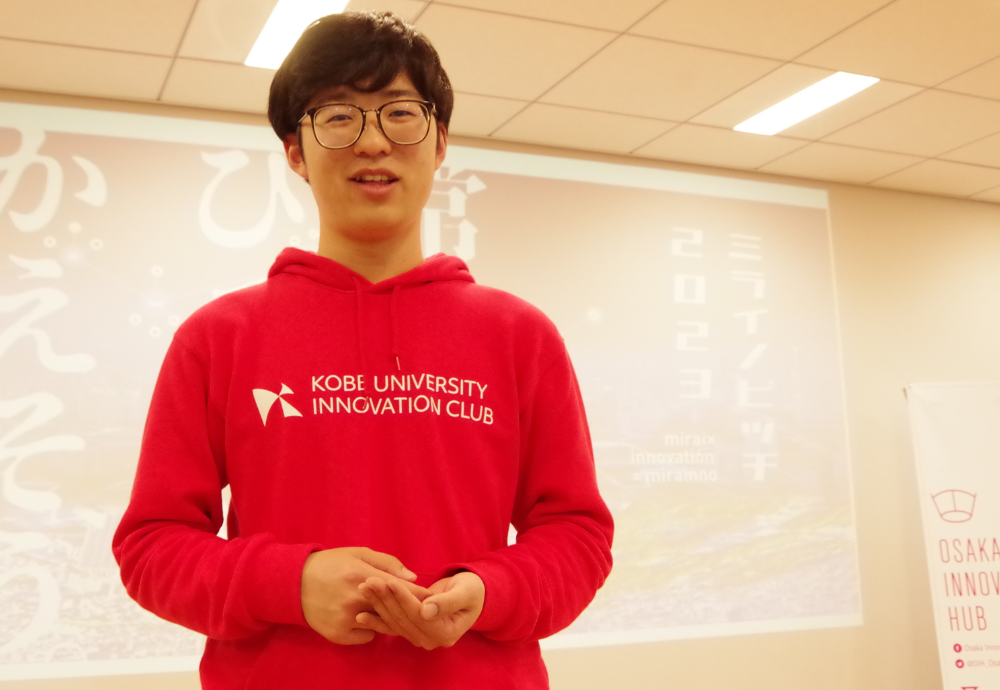
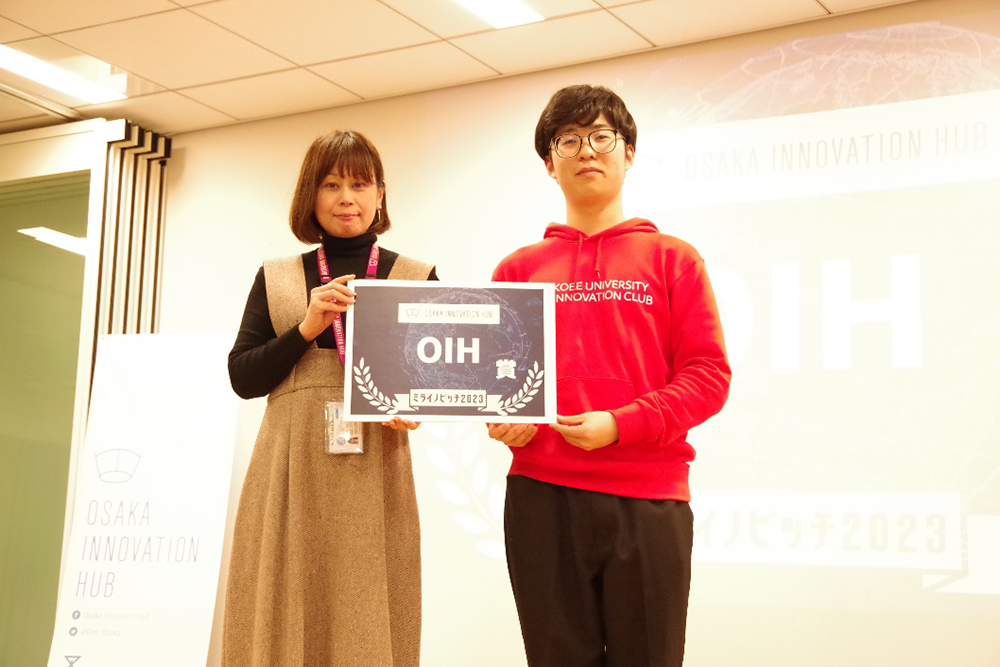
Hydrogen is attracting attention as a key to achieving carbon neutrality. Countries around the world are developing technologies and building business models to secure a stable supply. Termites may bring a fresh breeze to the field. Remarkably, hydrogen can be extracted from termites. Taking on this challenge is HIM, a team of students in Kobe University’s entrepreneurship club. We spoke with Hidemasa Takahashi, the leader of the team, which won the OIH Award at Mirainno Pitch 2023, about the potential of termites and the future of the business.
Extracting the hydrogen produced by termites and microorganisms
Because they eat away at houses, termites are seen as a typical pest. But their ecology is very interesting. At the core of our business model is termites’ ability to break things down.
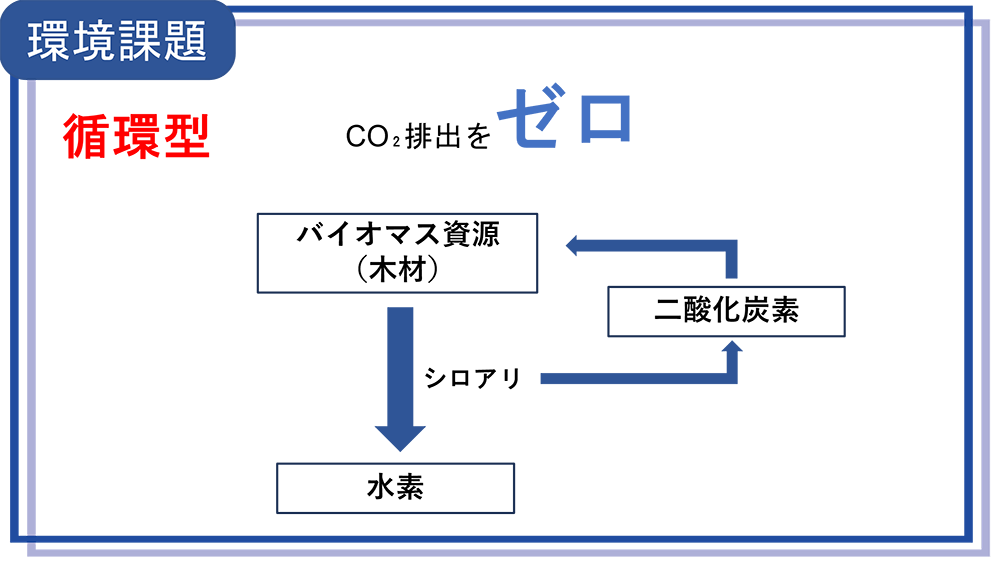
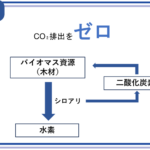
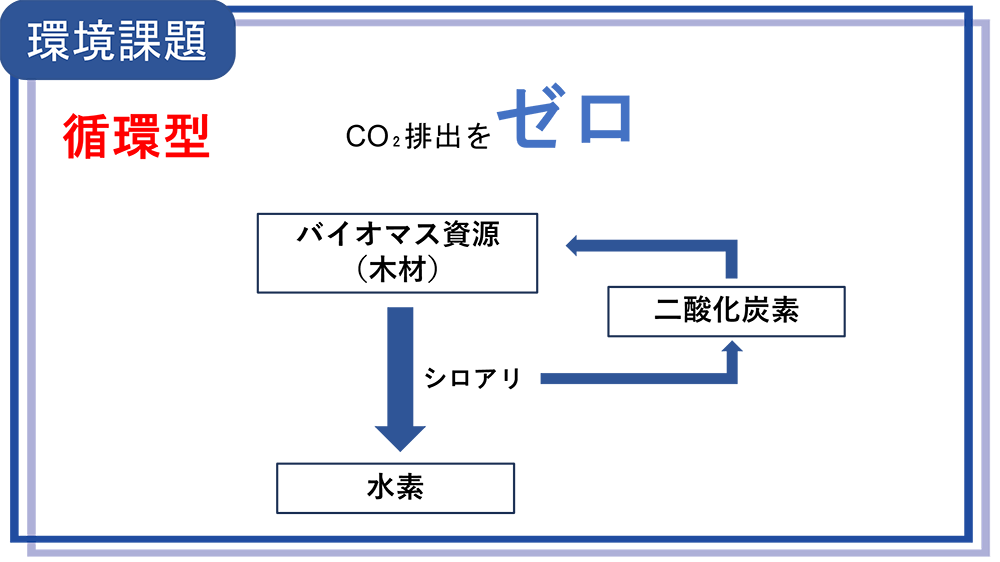
When termites break down the wood they eat inside their bodies, microorganisms living in their guts produce hydrogen. Our plan is to extract this hydrogen and use it as energy, for example in fuel cells.
It has long been known that termites produce hydrogen as they digest, but from the standpoint of economic rationality, there was little momentum to produce hydrogen with termites. However, interest in “biomanufacturing,” which uses the power of living things for manufacturing, has changed this. With the development of various related technologies and rising awareness of global environmental issues, the ground has been prepared for it to be profitable.
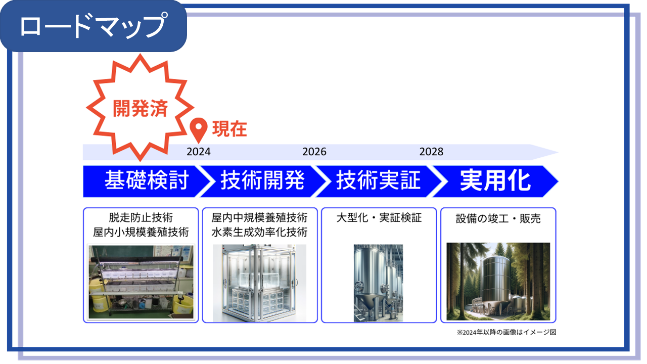
There is one more reason we are pushing this business plan forward: our own technology for farming termites. When the time comes, termites become winged “swarmers” and escape from the farming equipment, but we have overcome this problem and have the technology to farm termites stably. We expect this to make hydrogen production stable as well.

Ryo Kasagi, 2nd year, Faculty of Agriculture
HIM is a student team in Kobe University’s entrepreneurship club. As leader, I mainly handle termite research. Ryo Kasagi, a 2nd-year student in the Faculty of Agriculture, has been researching the production of biofuels with the power of microorganisms since high school, and draws on that experience to handle microorganism research. Kasagi also designs and builds the culture plant, drawing on the engineering knowledge learned at university.
Daiki Shinohara, a 3rd-year student in the Faculty of Business Administration, plays a central role in building the business model and serves as the bridge between the team and society. As the team and the business grow, we also look forward to Shinohara bringing the knowledge of a business administration student, such as management and organizational strategy.
The team name HIM comes from the initials of Hydrogen, Innovation, and Microbes, and it means “bringing innovation to hydrogen with the power of microorganisms.”
Combining the challenges of forestry with the potential of termites
I was in the biology club for all six years of junior high and high school, and researched termites for four years starting in my third year of junior high. I mainly explored using them as feed in fish farming, but I could not find a way to make it profitable.
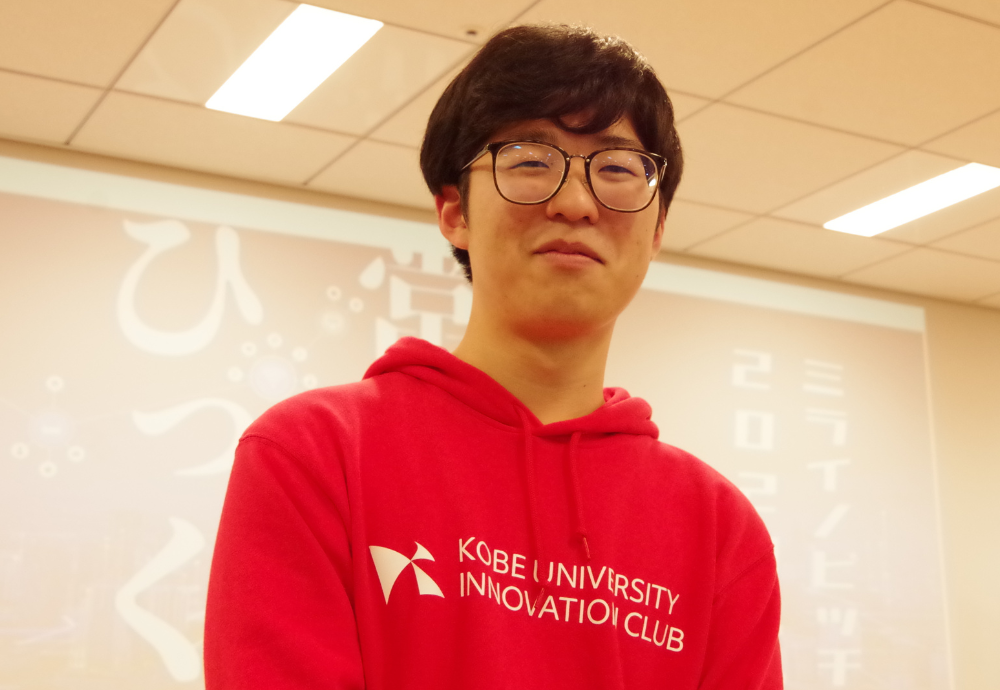
At university, with a fresh start, I was thinking about what theme to research when I came across hydrogen. In junior high and high school, I also worked to protect freshwater fish at risk of extinction. Through that, I learned how important forests are, and learned about the problem of planted forests falling into ruin without being thinned.
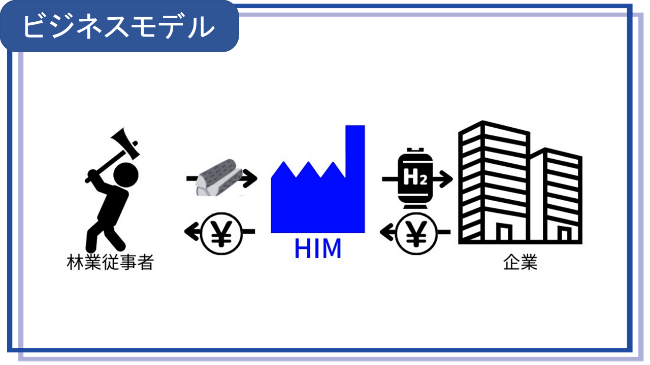
Combining these two experiences led to hydrogen production with termites. If thinned wood is used as food for the hydrogen-producing termites, it also helps revitalize forestry and protect the natural environment.
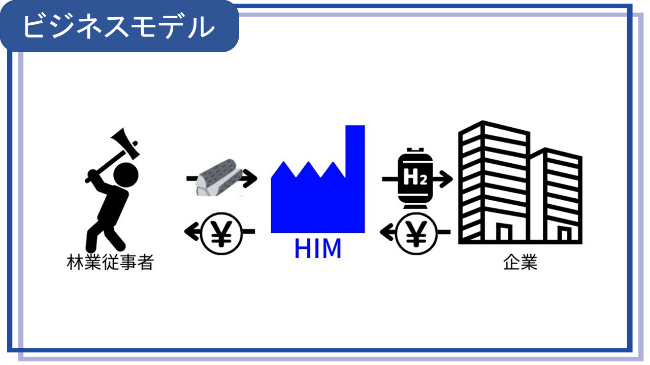
As hydrogen came to be recognized as playing a big role in achieving a decarbonized society, global challenges over securing hydrogen emerged. Hydrogen can be produced from fossil fuels, but that method emits carbon dioxide, which could defeat the purpose. There is the idea of making hydrogen from renewable energy instead, but that has cost problems. As a result, importing it from overseas becomes the realistic option.
However, depending on imports for energy is not a very good situation from the standpoint of economic security. It is always better if a country can procure the energy it uses within its own borders. This was also a big reason we decided to turn hydrogen production with termites into a business.
Continuing to refine the plan with an eye on overseas expansion
The three members of HIM met and formed the team in June 2023. Since then, we have worked on building the business plan and taken on various pitches and events. Mirainno Pitch 2023 was one of them.
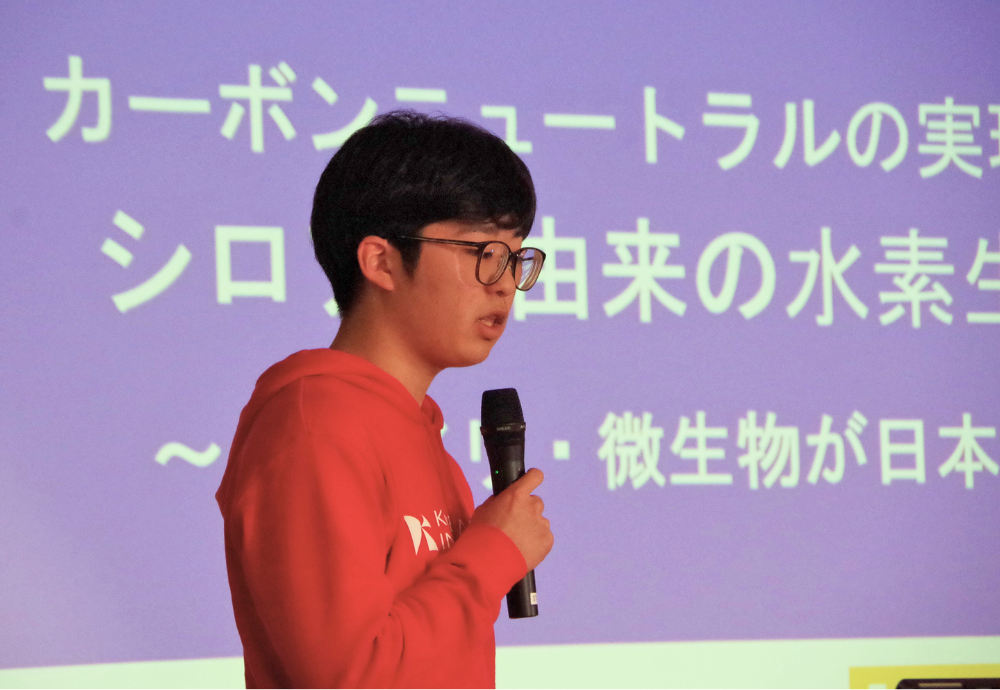
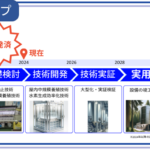
2023 was the year we drew a “big picture” centered on hydrogen production with termites. We see the next one to two years as years of research and development to make that picture a reality. We will work on establishing technology to extract hydrogen more efficiently than now, and at the same time scale up our termite farming technology.
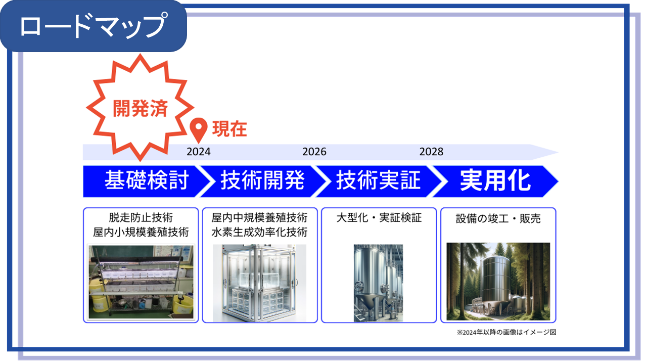
Some startups monetize a related business first, before monetizing their core business, and use it as an engine for growth. We also think we need a similar “business that comes first.” Figuring out what that business will be and what business model it will have is one of our pressing goals.
In February 2024, with support from JETRO, we will visit France and Germany. I am looking forward to seeing how our plan is received in Europe, a leader in environmental issues. We also want to learn about local environmental businesses and biomanufacturing and refine our plan. Our goal is to grow it into a business model that can contribute to environmental protection not only in Japan but around the world.
How We Used OIH
We are still a new team, formed in June 2023, but taking part in Mirainno Pitch 2023 led to connections with VCs. As a result, we have been able to refine our business model and think more deeply about the numbers. Our connections with other entrepreneurs have also grown through OIH, and we get all kinds of advice and encourage one another. Right now, we are looking for a technical advisor who can look at our technology from a broad perspective. We hope to meet such a person through the network that grows from OIH.
Interview date: January 25, 2024
(Interview and text: Morinaga Matsumoto)