
Soki Haruta

Recycling food waste in Uganda, Africa

Using the power of business to improve living conditions and tackle poverty

Soki Haruta

Kobe University

Position
– Feeds -, Faculty of Global Human Sciences, Kobe University, 4th-year student (at the time of the June 2026 interview)
Business
A circular society born from Uganda’s food waste

The motivations for starting a business are diverse and sometimes overlapping: bringing innovative technologies and ideas into society, pursuing businesses that existing organizations cannot, or entering vast untapped markets. Often among them is social entrepreneurship: the desire to solve social issues through business. Soki Haruta, a fourth-year student at Kobe University tackling the waste problem in Uganda, Africa, is one such entrepreneur. We spoke with Haruta about the plan that won the top award at the FY2025 Startup Challenge Koshien (Senior Division): “A Circular Society Born from Uganda’s Food Waste.”

Piles of abandoned food waste, and people who make a living from them

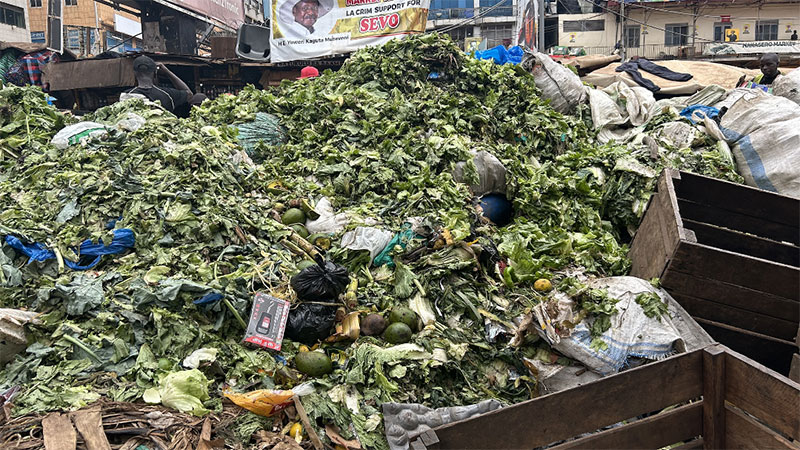
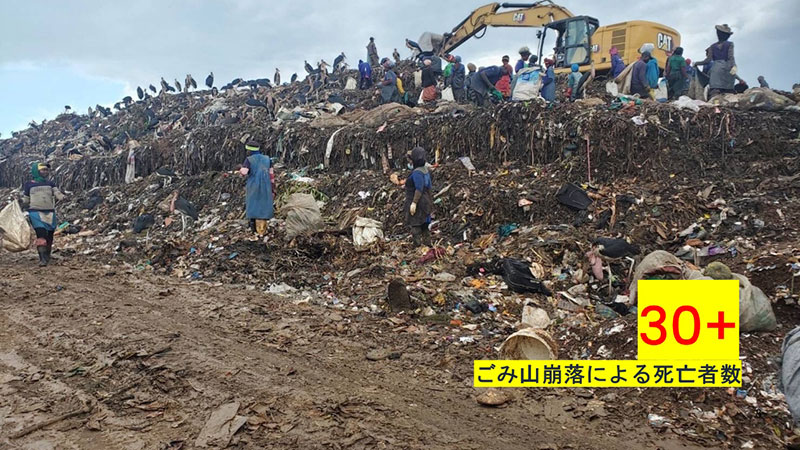
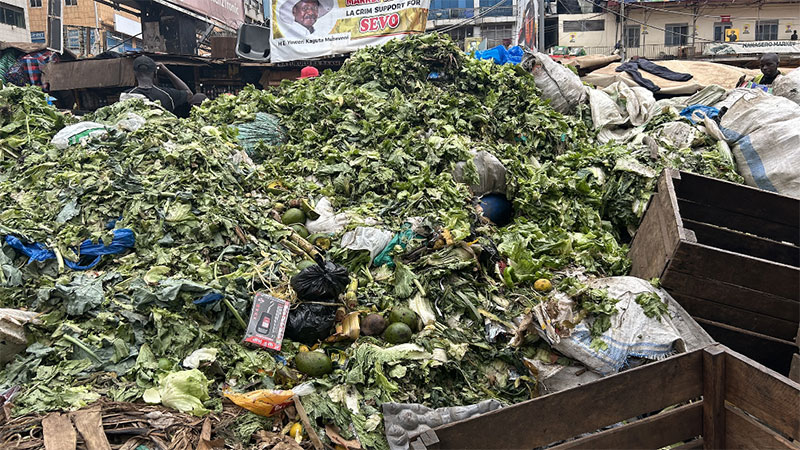
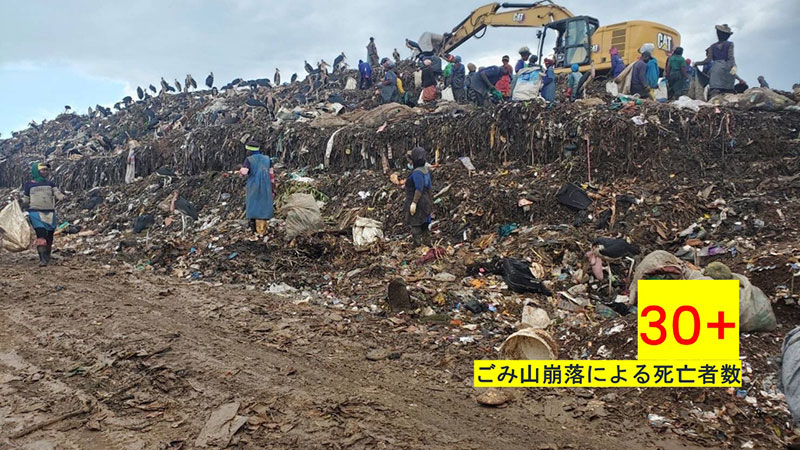
What I’m working on is a food waste recycling business in Uganda, East Africa. The capital, Kampala, has a large vegetable market, and every day huge amounts of vegetables are thrown away and pile up. The discarded food waste is collected and taken to the final disposal site (the dump site). But “final disposal” actually means dumping all kinds of waste in one place without any sorting, and enormous mountains of garbage build up there. From a sanitation standpoint, it’s a very problematic situation.

Soki Haruta, Kobe University
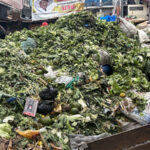
Piles of waste at the vegetable market

At the same time, the garbage mountains are one of the places where local people earn a living. Some people pick out things that can be sold and live on what they earn. That means if we simply got rid of the garbage mountains to improve sanitation, their livelihoods would collapse. In developing countries such as Uganda, waste disposal is intertwined with poverty, creating a very complex situation.

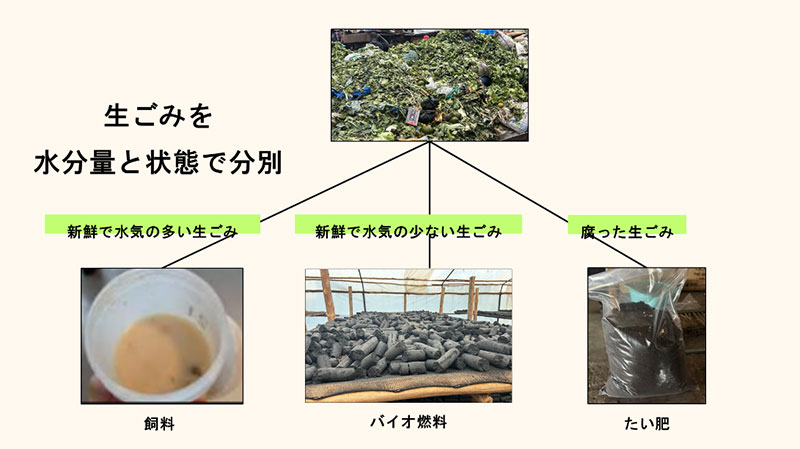
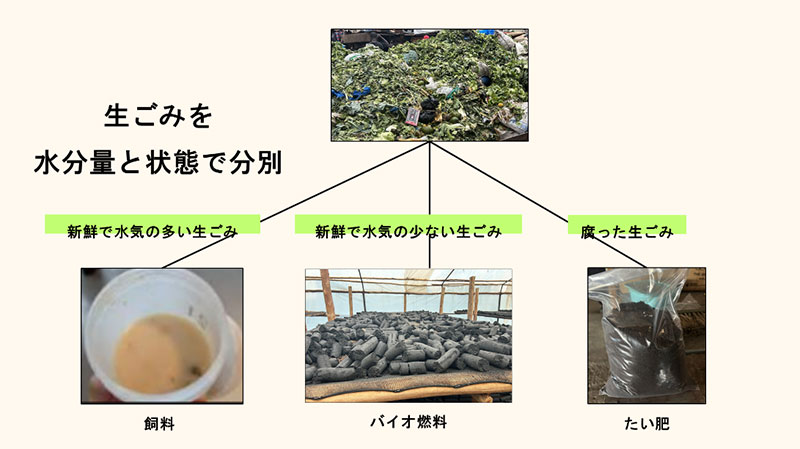
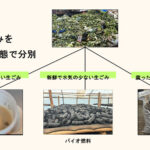
Specifically, my food waste recycling business turns food waste into compost and gives it new value. I’m also planning a business to produce a biofuel called bio-briquettes. By running these businesses together with people living in slums and similar areas, we can create a source of income for them and support their economic independence. Because composting requires separate collection of food waste, it also reduces the amount of waste that is thrown away.

Soki Haruta, Kobe University

Solving problems together with local people: choosing entrepreneurship over existing organizations

I became interested in international cooperation and working overseas when I was in junior high school. I had the chance to help at a panel exhibition introducing the Red Cross’s international activities, and when I saw a photo of a doctor giving an injection to a child in a developing country, I thought, “That’s so cool. I want to do this kind of work too.”

But as someone who has always leaned toward the humanities, becoming a doctor was out of reach. So I set my sights on the United Nations or the Japan International Cooperation Agency (JICA). Thinking of a career in international cooperation, I enrolled at Kobe City University of Foreign Studies, where I could study international relations. In the spring break of my first year, in 2024, I joined a program run by a student organization that organizes volunteer activities overseas, and visited Uganda for the first time. That was when I saw the local waste and poverty problems firsthand.

As I stayed in Uganda, exchanged views with local people, and worked alongside them, my own stance on international cooperation began to take shape. The UN and JICA seem to focus mainly on activities from a broad perspective, such as building support systems.

In contrast, I realized that “I’m interested in going into local communities and working with local people to solve the problems right in front of us.” So I changed my future direction and decided to “solve Uganda’s social issues together with the people of Uganda.”

At that point, though, I wasn’t yet thinking about starting a business. I intended to join an NPO, an NGO, or a company working on themes such as waste, the environment, recycling, and poverty. But no matter how hard I looked, I couldn’t find such an organization. So I thought, “If it doesn’t exist, I’ll have to create it myself,” and decided to start a business.

At the same time, wanting to see the waste problem on the ground, I visited the city’s only waste disposal site. The sight of garbage piled nearly 5 meters high over an area the size of three Tokyo Domes left a strong impression on me.

Six months after my visit, that garbage mountain collapsed. I felt deep anger that people had lost their lives because of waste deemed worthless, at a place I had been to myself. That’s when I decided to dedicate my life to solving the waste problem.

Soki Haruta, Kobe University

In April 2025, I transferred to the Department of Environmental Sustainability in the Faculty of Global Human Sciences at Kobe University. I had no specialized knowledge for tackling the waste problem or starting a business, so I decided to study environmental issues and the African region in depth at Kobe University.

On the business side, I actively entered business plan contests and refined my plan based on other participants’ plans and the judges’ feedback. At university, I also consult professors in the Faculty of Business Administration, who give me advice.

Soki Haruta, Kobe University

Winning supporters on the ground with drive and passion

In addition to the spring of my first year, I visited Uganda for six weeks last year, in the fall of my third year. This time, I went around to the local government, the country’s largest waste collection company, residents, and others, conveying my ideas and plans.

Most people were surprised: “Why is a student from Japan working on Uganda’s waste problem?” But my only real strengths are drive and passion. By repeatedly telling people “I want to solve this problem,” I gradually gained more supporters and collaborators, and managed to get to the point of launching the composting business.

We’re now verifying the effectiveness of the technology in the ongoing composting business. From this September, I’ll stay in Uganda for a year. On this third stay, my goal is to establish operations from separate collection through composting.

There are many challenges, including funding and local partners.
When the business isn’t going as planned, I sometimes almost lose sight of why I’m working on waste disposal and poverty in Uganda. I often ask myself “Why?”, but I always arrive at the same answer: “Because the first country I visited was Uganda, and I experienced firsthand people losing their lives to waste deemed worthless.” For me, Uganda is where it all started. By returning to the scenes I saw there and the emotions I felt, I get the energy to keep moving forward.

Soki Haruta, Kobe University
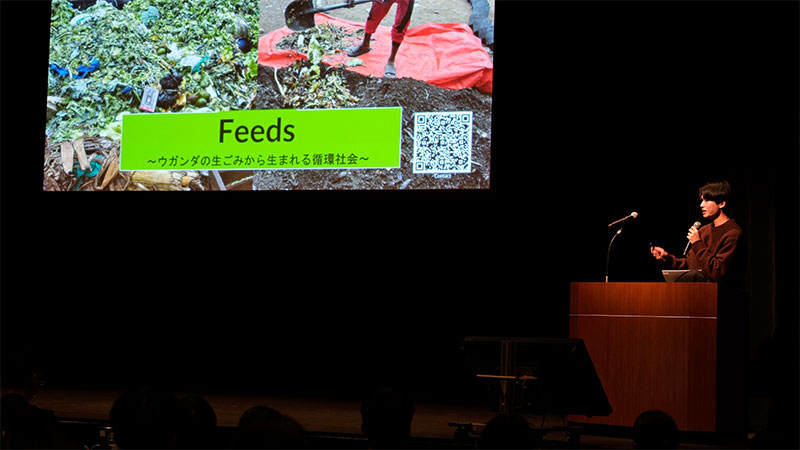
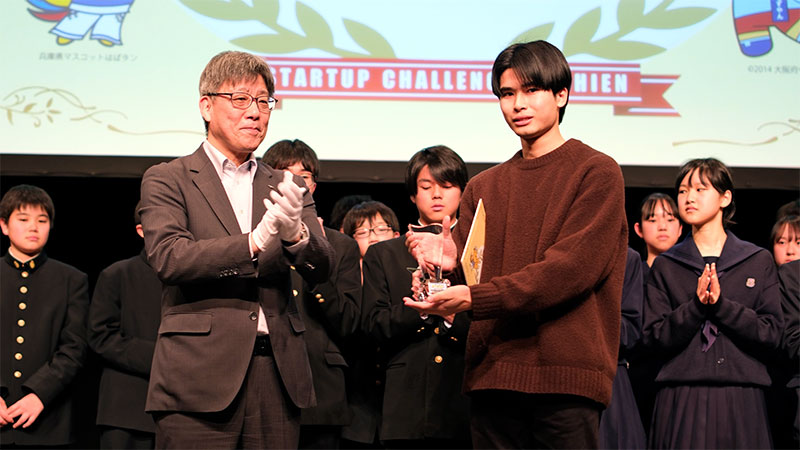
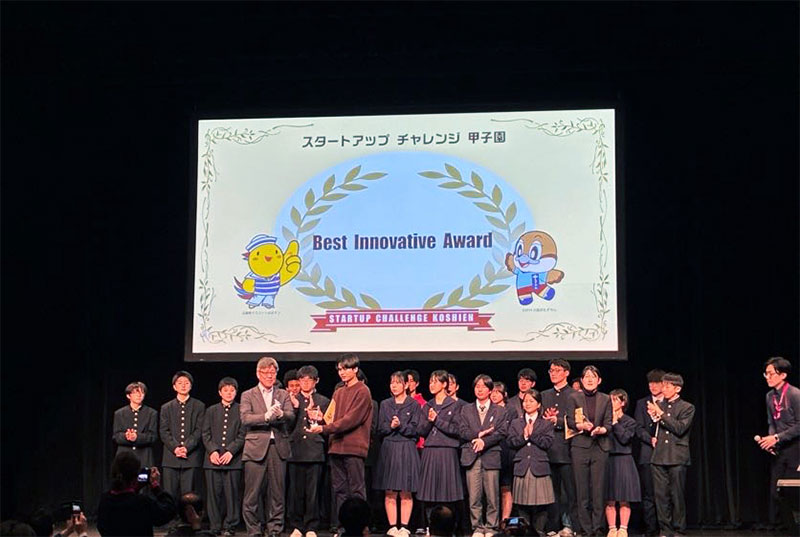
At the FY2025 Startup Challenge Koshien, held on March 8, 2026, the plan won the top prize, the “Best Innovation Award,” in the Senior Division
Soki Haruta, Kobe University

Interview date: June 22, 2026
(Interview and text: Morinaga Matsumoto)

Entries for the FY2026 Startup Challenge Koshien are now open!