

Continuum.Social Inc. was founded in November 2021 in Toronto, the center of Canada’s economy. It develops and runs a geosocial app that uses Web3 technology, and has been ramping up its activities in Japan since 2023. Leading the way is Ikuya Izumi, head of the Japanese company. Behind the development of the company’s own app, CyberTrophy, lies a grand ambition focused on what future society should look like.
The fun of collecting trophies brings people to the region
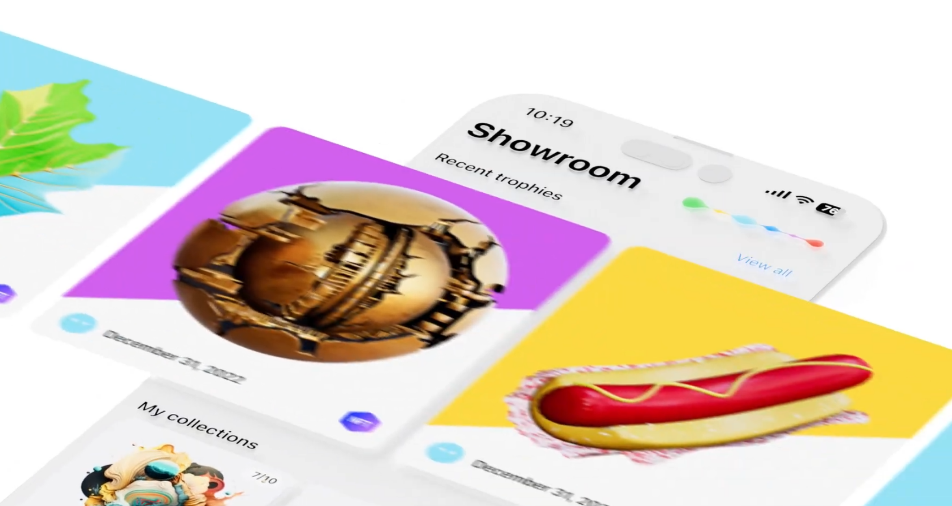
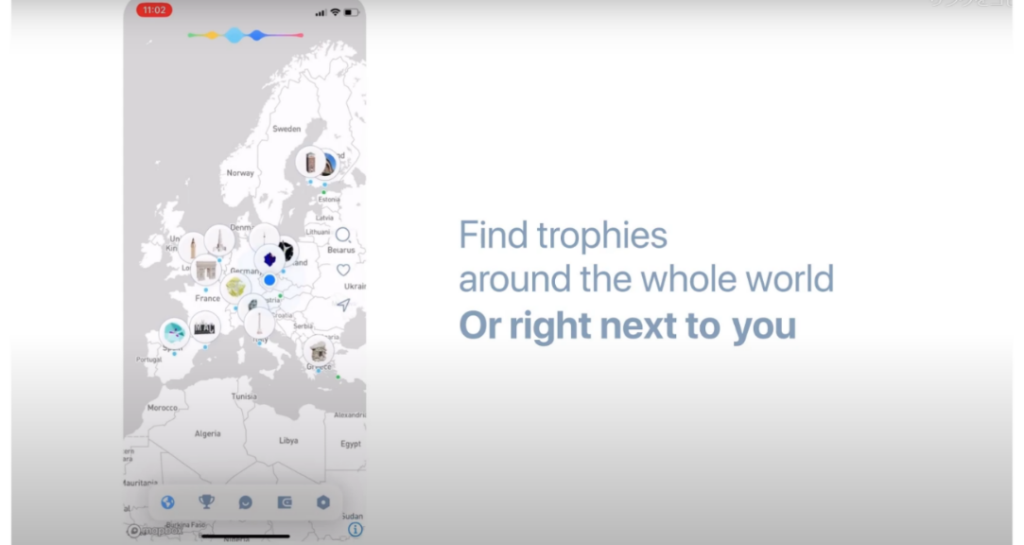
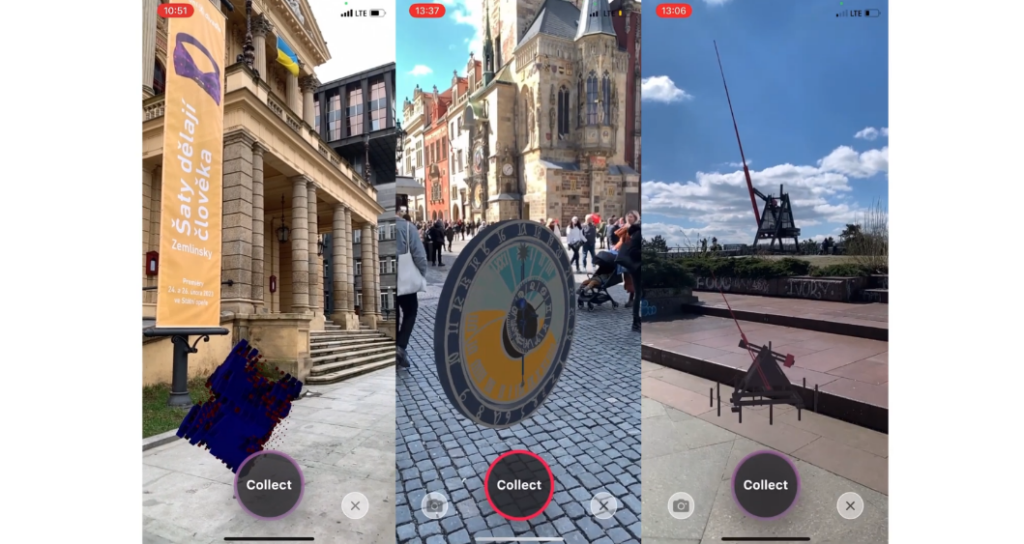
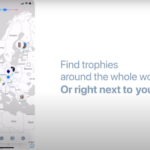
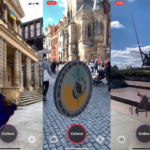
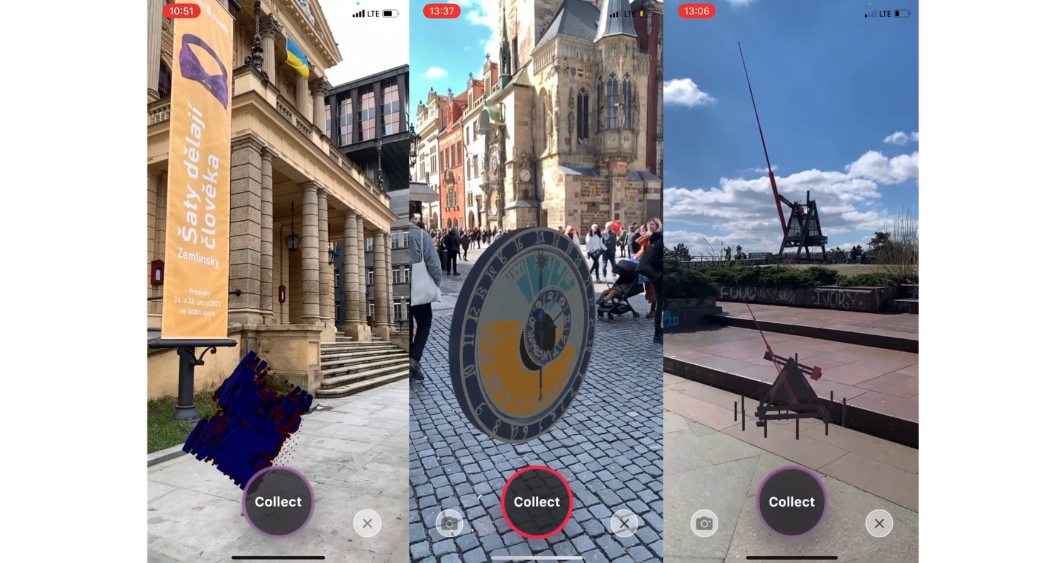
CyberTrophy, the app we develop and run, is a geosocial app based on Web3 technology and location information. By collecting digital trophies placed at tourist spots, events, social contribution activities, and other places, users leave a record that they went or took part, and can prove it.
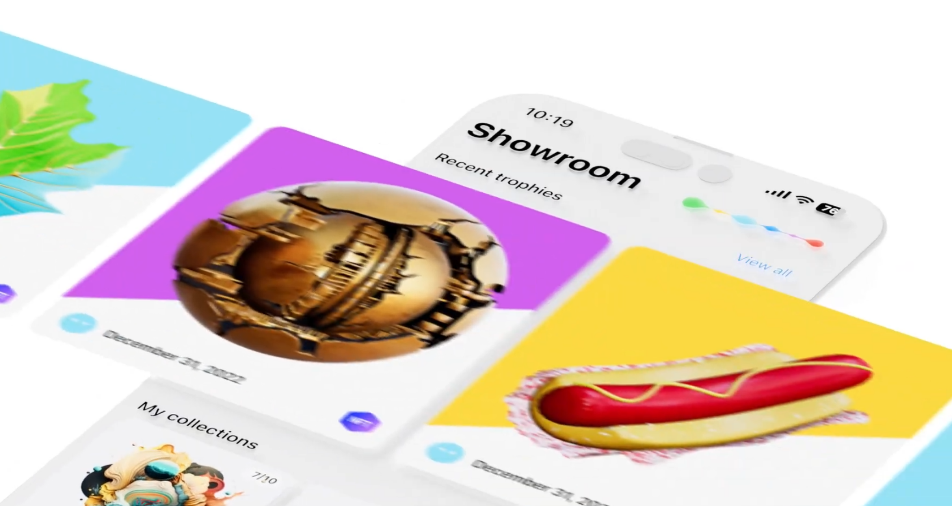
Users can also freely create and distribute trophies at a location. The app includes social networking features, so users with shared interests, such as content or places, can form communities. Collecting trophies raises your “reputation” in the community. To raise their “reputation,” people visit the area, and shop and enjoy meals there.
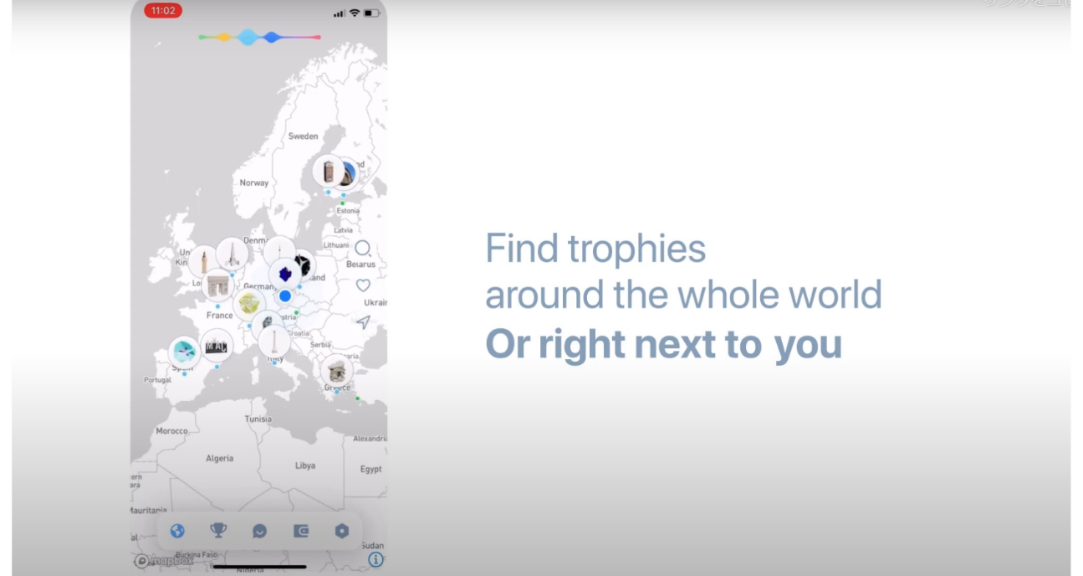
For example, in September 2024, CyberTrophy was used at the event “Night Walk: The Fox’s Wedding” held at Yutoku Inari Shrine in Kashima, Saga Prefecture. During the event, event-only trophies were placed in the area, and participants enjoyed collecting them. Coupons that could be used in the area were also issued depending on how many trophies participants collected.
In November of the same year, at “Senri Festival 2024” in Senri New Town, Toyonaka, Osaka, we distributed a customized version of CyberTrophy called “Senri Matsuri GO.” We placed trophies at the event venue, local shops, and disaster preparedness sites, and created a system in which people could receive services and information by showing the trophies they had collected.
At both events, the app gave people a reason to come, and we saw people moving and interacting in new ways. In this way, CyberTrophy uses the characteristics of Web3 technology to bring people to a region and create new communication, helping to promote tourism and revitalize the local economy.
Solving social issues through the reliability of data
On the internet today, anyone can easily share information, but it has become very hard to tell whether that information is true. For example, with reviews and ratings posted on social media or message boards, it is hard to judge whether the poster actually went to the place and experienced it, or whether it is fake.
In CyberTrophy, blockchain technology embeds location and time information in each trophy, so users can only share information about places they actually visited and experienced. Put the other way around, the information they share is proven to be genuine.
Data on a blockchain is managed on the participants’ network, so it is highly transparent and extremely difficult to tamper with. Applying this technology, we aim to solve a range of social issues in which “the reliability of data” is key.
I previously worked as the Japan representative of a Canada-based developer of blockchain for industry. There, I took part in a project to investigate and prevent child labor on cacao farms in Africa. I learned that blockchain technology can improve traceability in the cacao industry, which has an especially complex supply chain from raw material sourcing to production, distribution, and sales, and that this can make problems visible, change people’s awareness, and even change purchasing behavior.
When, where, and by whom was the product produced? Was it traded fairly? By making the history from production to supply clear, we can deliver food that is safer and made under healthy working conditions to consumers at a fair price.
Blockchain technology can properly store and prove the transaction history of goods and services and the behavior history of people, so that they are evaluated correctly. CyberTrophy is an app that adds an element of entertainment as one step toward that.
Sharing the rewards with everyone through the idea of “community-owned”
With Web 2.0 technology, data on the internet has been managed and operated centrally on the platforms of a few giant IT companies such as GAFAM. A single piece of personal data has almost no value on its own, but the more it is gathered, the more value it has. Companies with big platforms have grown by making it a source of revenue.
Meanwhile, the individuals who provided the information are still not rewarded for it. People who invest money in shares receive rewards such as dividends, but individuals who provide information receive nothing. How can each person enjoy that reward? This is a problem economics has not been able to solve until now, and it is the problem we are trying to take on.

On CyberTrophy, “the fact that a certain person went to a certain place at a certain time and won a trophy” is personal information that includes location and time. The profit it generates belongs to all users. We value this idea of being “community-owned.” How can the whole community share that profit? In our app, we issue rewards in the form of tokens according to how much each person contributes to activities in the community.
CyberTrophy offers the entertainment of collecting trophies, but behind it lie a great ambition and a challenge. What we aim for is to use Web3 technology to build a more transparent, fair society.
How We Used OIH
In 2024, we exhibited and spoke at “Hack Osaka 2024” for the first time, and met many exhibitors, visitors, and others. For Expo 2025 Osaka, Kansai, Japan, we were selected in the Osaka Healthcare Pavilion’s “Reborn Challenge” for “Let’s Think Together: Future City Project,” and we will also exhibit at the pavilion. OIH has become a major, indispensable support as we expand our business in Japan.
Interview date: January 24, 2025
(Interview and text: Aya Iwamura)