





Kentaro Suda

Becoming a global company with a unique inbound tourism business that spreads fans of Japan around the world!

Kentaro Suda

FREEPLUS Inc.

Position
President and Representative Director
Website
https://www.freeplus.co.jp/ (opens an external site in a new tab)
Business
Inbound tourism business, hotel management business, and promoting Japan as a tourism nation

Gaining a big advantage in the industry with a unique inbound tourism business ahead of its time and the industry

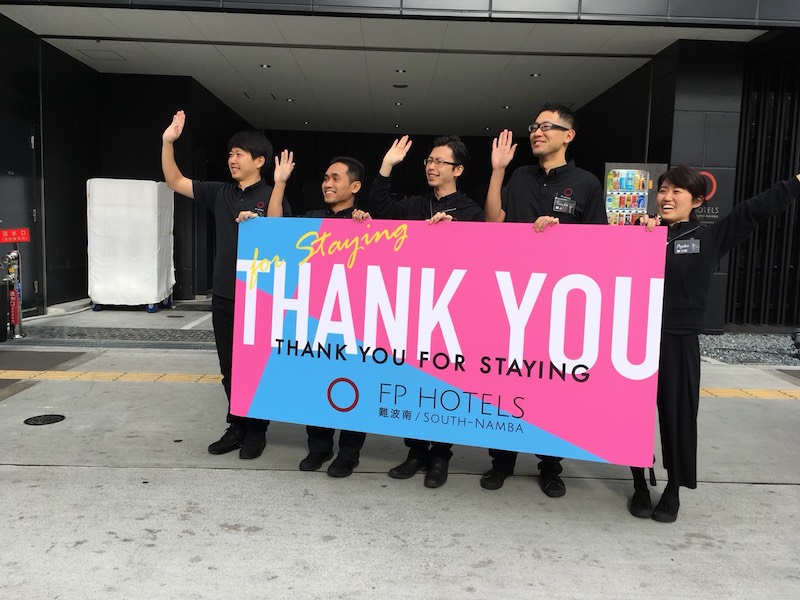
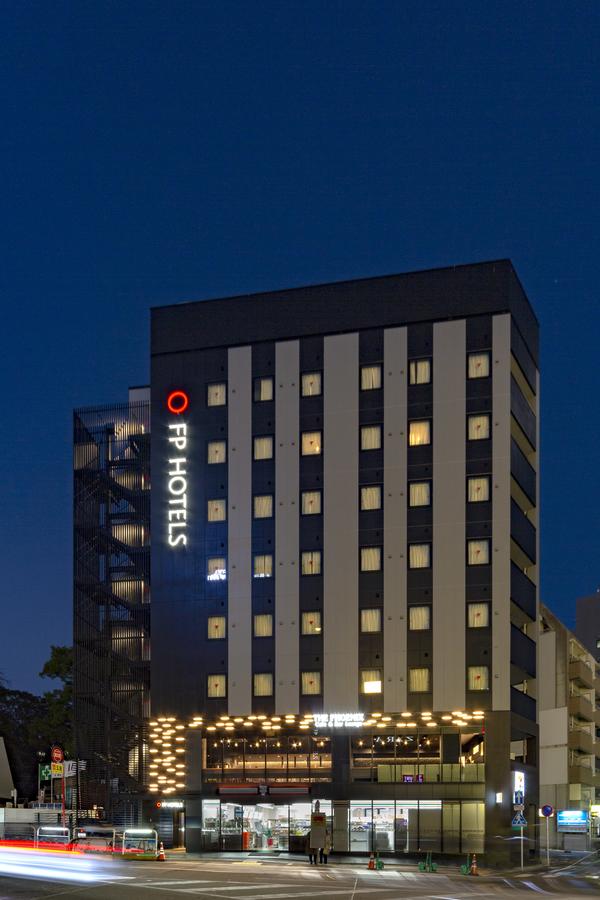
According to data on foreign visitors, the number of tourists visiting Japan has risen sharply since 2011, approaching 30 million in 2017 (Sources: Japan Tourism Agency, “Consumption Trend Survey for Foreigners Visiting Japan,” and the Japan National Tourism Organization (JNTO)). The trend is expected to continue, with some projecting about 40 million in 2020 and about 60 million in 2030. Other figures predict enormous spending by foreign visitors, 8 trillion yen in 2020 and 15 trillion yen in 2030, promising a bright future. In this booming inbound market, FREEPLUS Inc. has been running its own inbound tourism business as a pioneer since 2010. From the start, it grew rapidly by wholesaling and selling inbound tours to travel agencies run by organizations and sole proprietors. Riding the wave of growing visitor numbers, it opened FP HOTELS, lodging-focused hotels for foreign tourists, in 2017, and opened its third building, in Fukuoka, in December 2018.

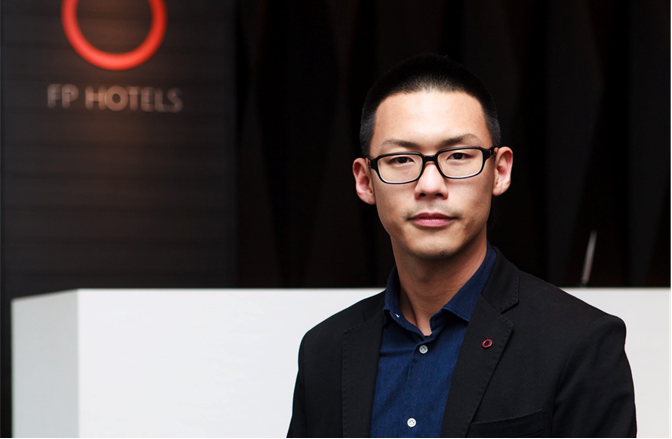
“We started our inbound tourism business in 2010, and we now handle 3,000 projects a year, a total of 250,000 room-nights. Our trading partners have expanded to 38 countries. At first they were mainly China and other Asian countries, but a notable trend in the last few years is the increase in travelers from Europe and North America, and MICE demand, mainly for corporate meetings and incentive trips, has grown considerably. We plan to put even more effort into this area. The hotel management business is also doing well, and in December 2018 we opened our third building, FP HOTELS Fukuoka Hakata Canal City-mae, which is already attracting attention,” says Kentaro Suda, President and Representative Director. As these words show, the company’s business keeps expanding. The company has built a unique inbound tourism business that did not exist before and is expected to grow further. We looked at what led to its founding, its turning points, and the future Suda envisions for the business and the company.

A realization in a service job in high school led to the aim of starting a business by providing value, or happiness, to people!

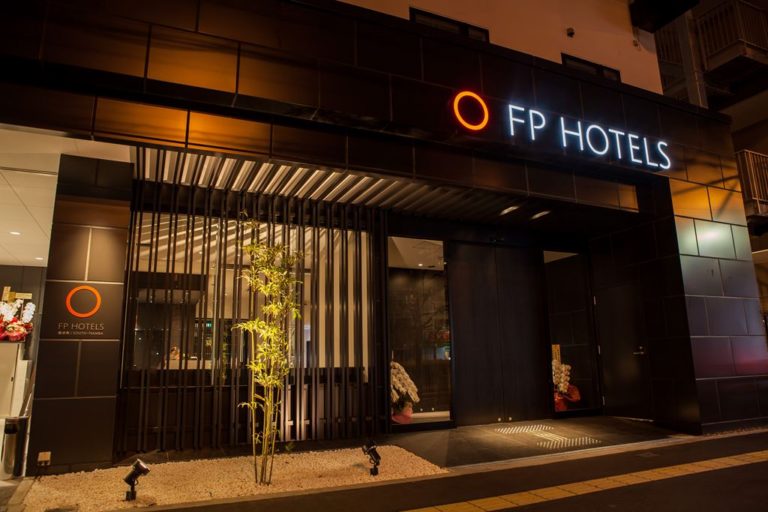
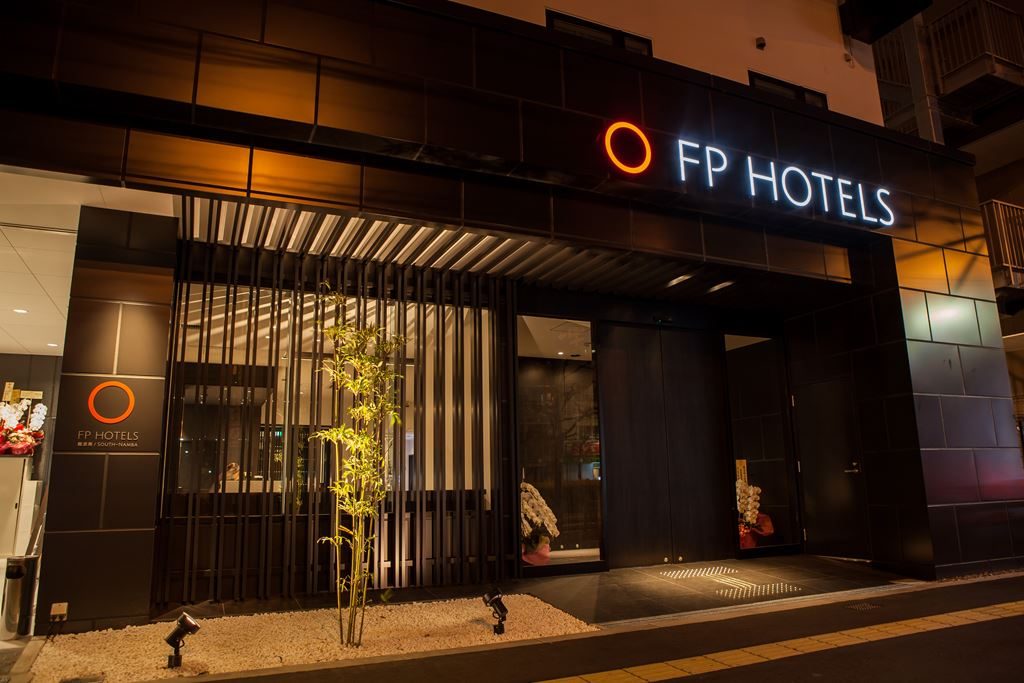
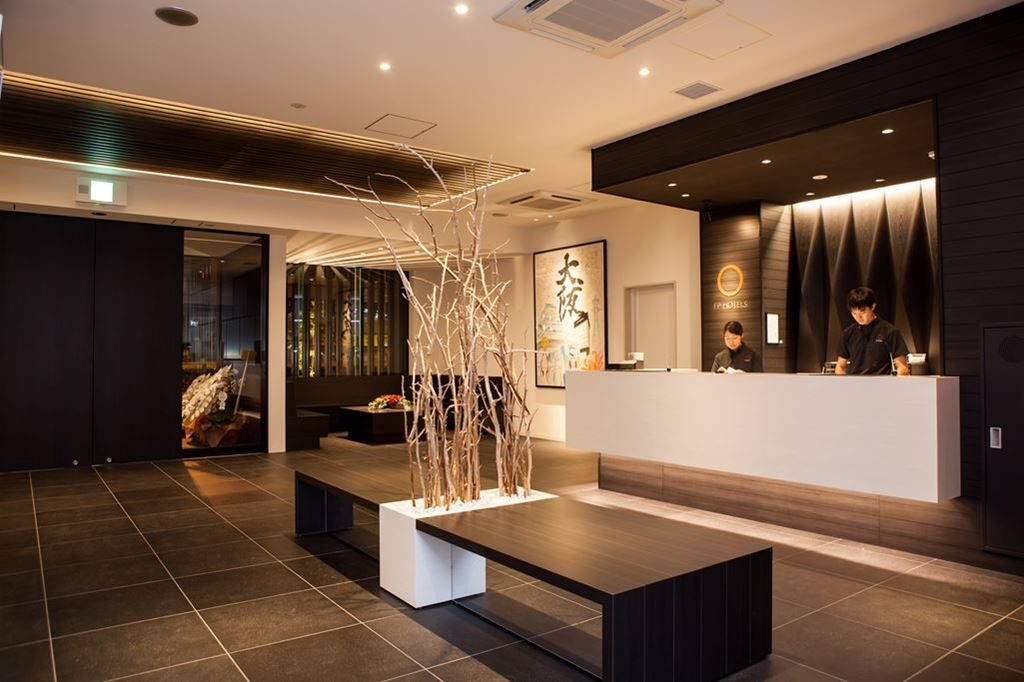
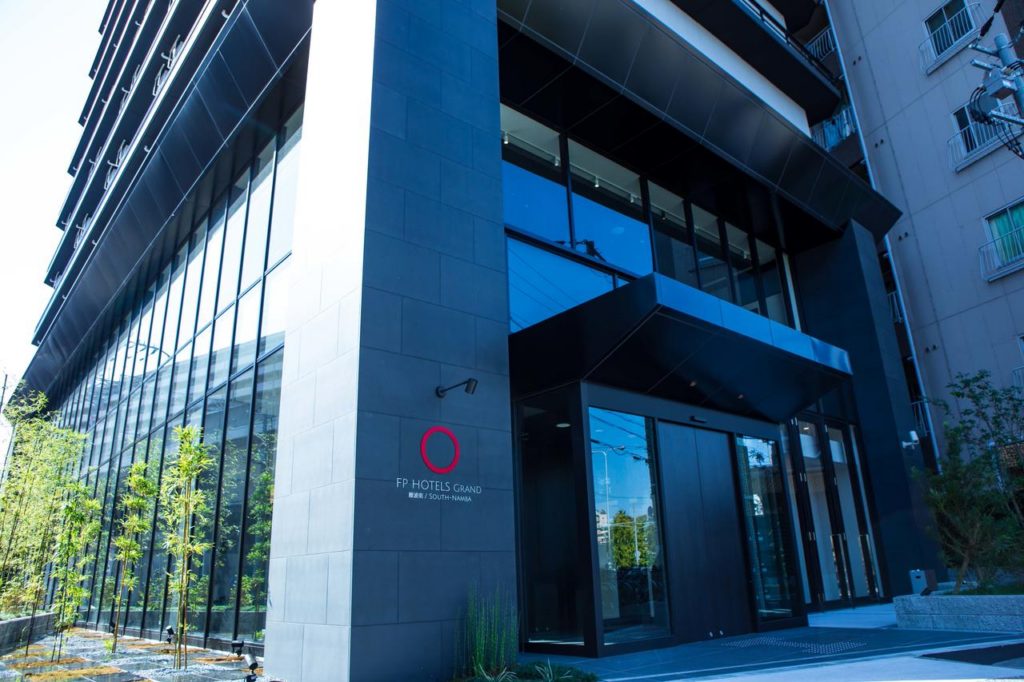
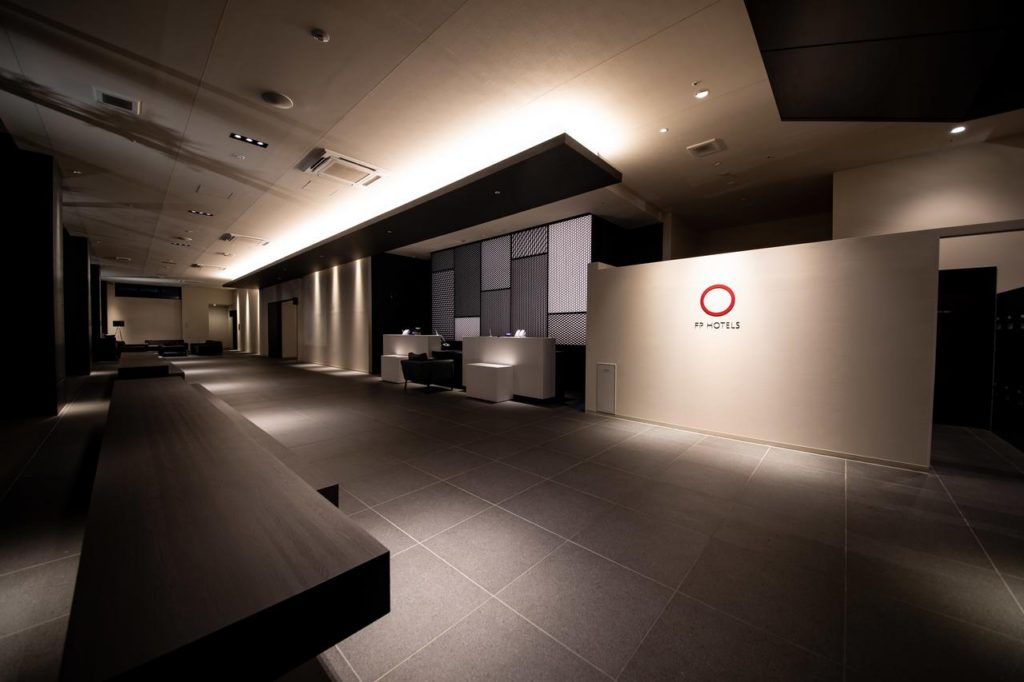
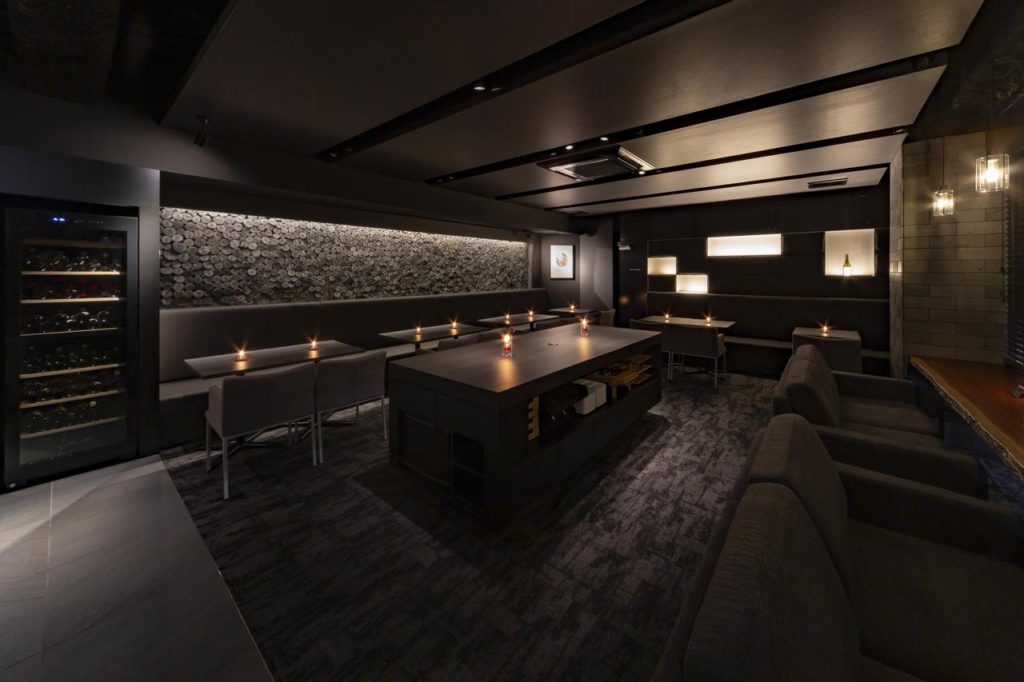
With the concept of “Low Price & Little Luxury,” FP HOTELS, the company’s lodging-focused hotels for foreign tourists, are priced at the level of business hotels, yet their rooms, entrances, and lobbies have a luxurious design and offer one class higher comfort. With breakfasts crafted with great care and high-quality service, they have a unique presence in the hotel industry. FP HOTELS Fukuoka Hakata Canal City-mae, opened in December 2018, drew attention as “a hotel like no other” because its entrance and check-in counter double as a stylish bar, and it has no shortage of buzz.

What this hotel management business shows is that the company’s business is rooted in a “thorough spirit of service” in every respect. The origin of this can be found in an experience and realization Suda had in high school. “There was a middle-aged male customer who was always cheerful, but one day the customer seemed down… So I served that customer with more warmth than usual and a big smile. At that moment, I felt the customer’s smile came back a little.” Then came a sudden realization: “I had thought I was just selling hamburgers every day, but just now, maybe I provided value beyond a hamburger.” That led to the goal of starting a business in the service industry.

After that experience, Suda entered university and set a milestone of starting a business by 26. Wanting to start a business as soon as possible, Suda created a coupon site for restaurants as a service for the feature phones that were the latest at the time, and did sales while still at university. But when actually visiting companies to sell, being a university student was a big handicap, and it did not go well. “At that time, I thought, ‘Time at university is wasted. I should get into the business world quickly and gain experience.’ So in my third year I voluntarily left university and joined an IT company. I decided to save 10 million yen in three years as capital for a business. But when I had saved 3 million yen in one year, I thought there was no time for detours and quit the company outright. In 2007, at 22, I founded FREEPLUS Inc.,” Suda recalls.

Aiming to become a global company by connecting with the world early

“I thought experience was important in business, and I wanted to launch a business quickly, so at first I started an IT outsourcing service business using experience from my previous job. The following year we opened an online store for AKIZUMI, custom-made leather shoes crafted by Japanese artisans, and expanded the business smoothly. But in 2008 the Lehman shock hit, companies’ results fell, and they could no longer hire, so the IT outsourcing business began to struggle…”

As a way out, Suda started a new SEO service, which greatly recovered the company’s results, and immediately began considering the next business. The new business was based on three principles: “a business or service that makes everyone happy through people interacting with people,” “going straight out into the world and becoming a global company, rather than expanding to Tokyo,” and “a business that energizes the Japan built by those who came before us.”

“I had wanted to build a global company since before I started, so I just didn’t want to take detours. Thinking about it that way, I thought it would be faster to deal directly with other countries rather than expanding to Tokyo. Around then, I learned that in 2010 Japan’s GDP, long the world’s second largest, would be overtaken by China. Honestly, I felt deeply sorry toward those who came before us… So while thinking about whether there was something we could do, I focused on the inbound tourism business.” So Suda started the inbound tourism business in October 2010. Holding on to the long-held wish to become a global company, Suda took the first step, leading to where the company is today.

Continuing a business that makes everyone happy through people interacting with people, and energizes Japan

“People often ask me, ‘Was there some magic move that made your business a success?’ but there was nothing like that. What I can say is that steadily going to China and other Asian countries and doing sales led to success,” says Suda. While searching for a way to establish the inbound tourism business, Suda kept visiting travel agencies in China, Cambodia, Vietnam, and other countries without appointments. Then, in China, Suda met a company that said, “Suda-san, we want to support your dream,” and projects gradually spread, leading to today’s growth.

The company is also starting new challenges, with preparations under way for new locations across Japan, starting with Sapporo. Under the management philosophy the company values, “giving gifts of lifelong memories through Japan,” Suda’s challenge to become a global company will continue without stopping.

Interview date: January 25, 2019
(Interview and text: Manabu Kitagawa)