Tsubasa Sugai

Making Japanese agriculture a growth industry with plant factories that lower the hurdles for companies

Tsubasa Sugai

SpiceCube Inc.

Position
President and Representative Director
Website
https://www.spicecube.biz/ (opens an external site in a new tab)
Business
<span style="margin-left: -1em; text-indent:1em;">• Supporting entry into the plant factory business by supplying materials and dispatching specialists</span><br> <span style="margin-left: -1em; text-indent:1em;">• Designing and developing agricultural equipment as a business validation tool for companies considering entering agriculture</span>

Taking on the agricultural crisis with plant factories unaffected by the natural environment

According to statistics from the Ministry of Agriculture, Forestry and Fisheries, the number of core agricultural workers, whose main job is farming, has been declining steadily, falling to about 1.23 million in 2022 (*1), about half of what it was just over ten years ago. What is more, about 70% of them are 65 or older, and the aging rate, which rises every year, is also serious.

Meanwhile, Japan’s food self-sufficiency rate (on a calorie basis), which exceeded 70% in the 1960s, is now below 40% (*2). Looking overseas, there is no end to the risks threatening Japan’s food situation, which depends heavily on imports: food shortages due to population growth, and disruptions to logistics caused by conflicts and COVID-19.

SpiceCube Inc.

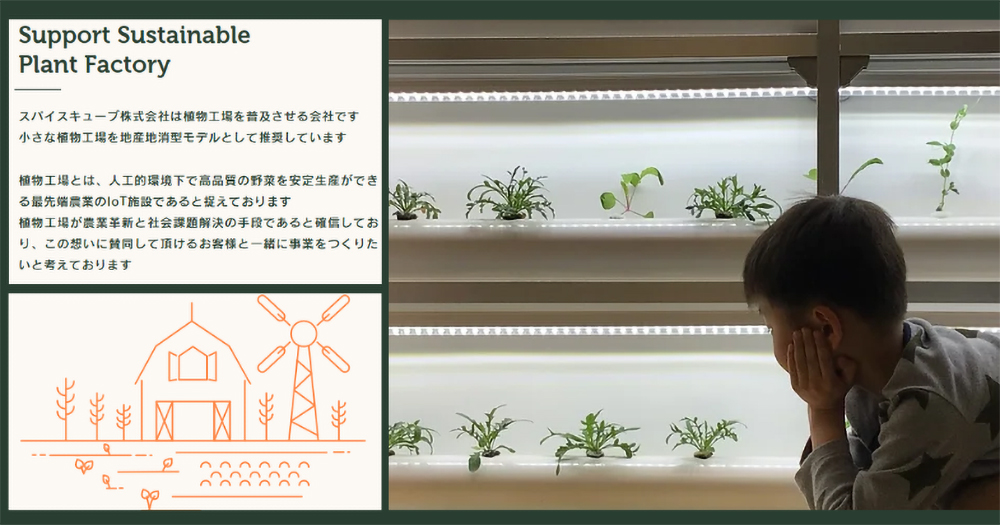
SpiceCube Inc. (SpiceCube) is working hard to break through this situation with “plant factories.” Under the vision of “developing the industry by involving more of the small and medium-sized companies that make up 99% of Japanese companies in agriculture,” it supports turning plant factories into businesses at low cost, develops materials, and dispatches specialists.

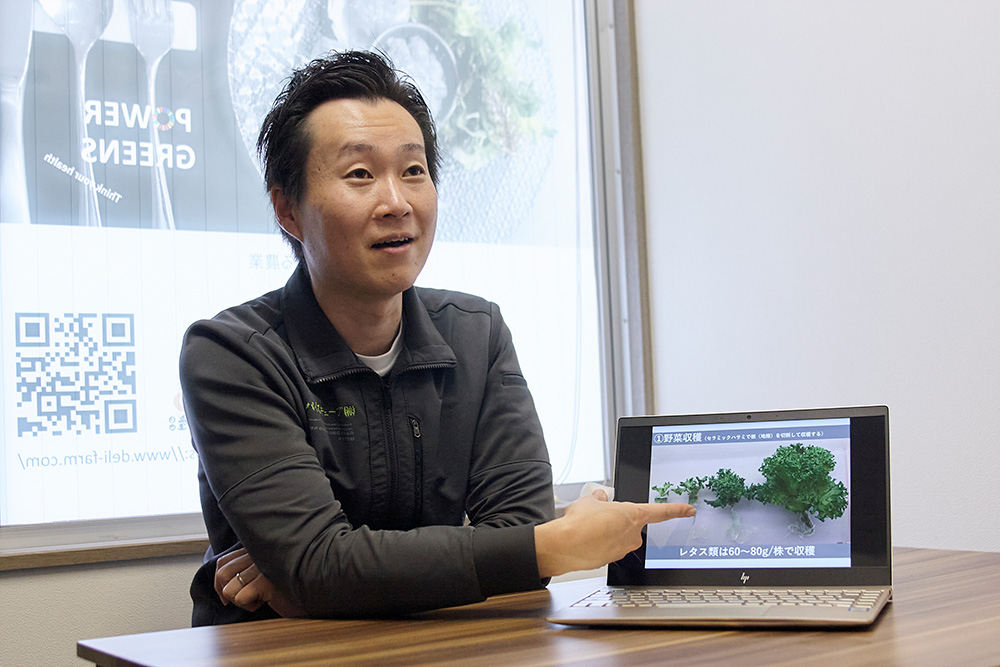
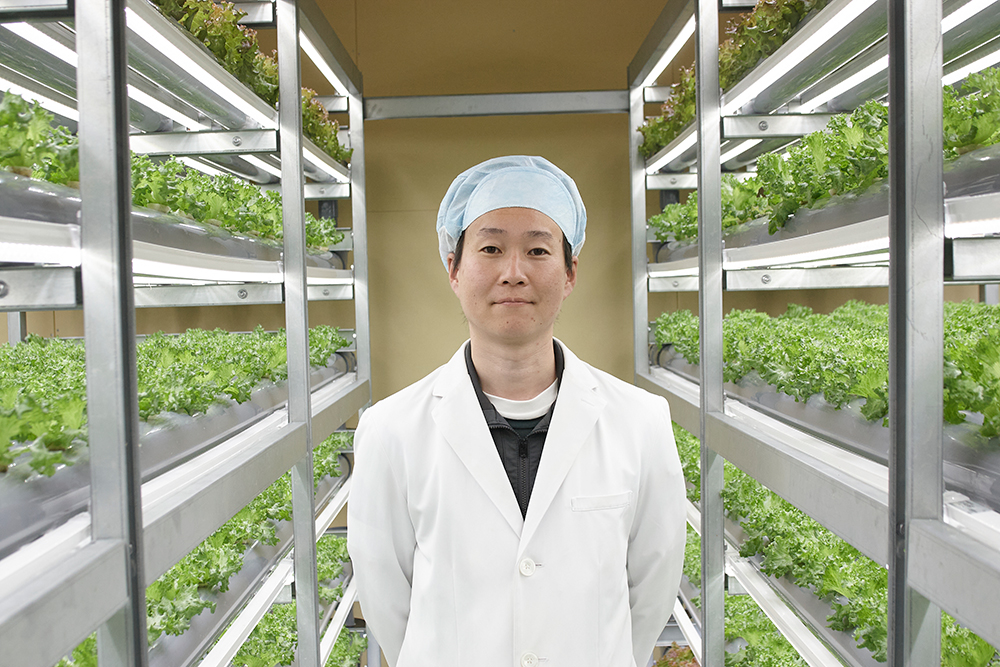
“Starting a plant factory as a new business required huge initial investment, so only large companies could do it. I wanted to change that,” says CEO Sugai, a passionate person who has poured heart and soul into growing vegetables and even goes by the self-given name “agriculture geek.”

“If there is plant factory equipment that can be installed even in a small space, the hurdle to entry comes down. That is why we provide equipment and know-how that let companies start a plant factory even in a vacant room in their building.”

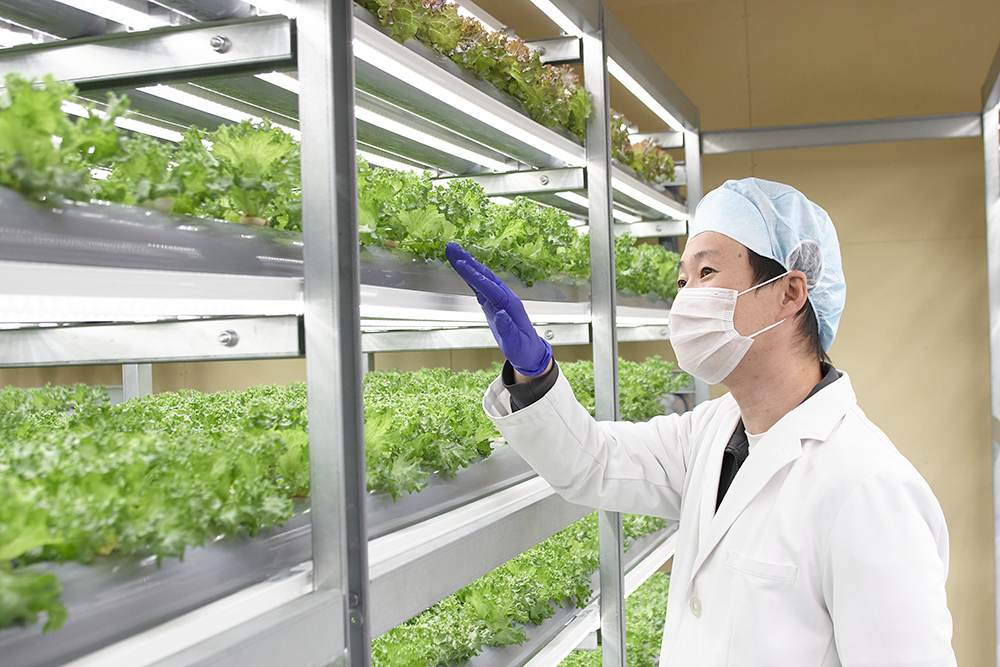
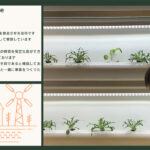
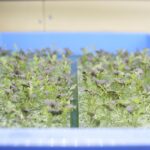
Plant factories need no farmland development and are not affected by soil or climate, so, to put it extremely, they can be started “anywhere.” They are unaffected by wind and rain, and temperature, humidity, and CO2 levels are controlled, so if you grow crops according to the manual, the risk of poor growth is close to zero. There is also no damage from insects or animals, so crops can be grown without pesticides, and the harvested vegetables are so clean they can be eaten without washing.

SpiceCube Inc.

“Once they buy from us, restaurants and food factories recognize this quality, and many become repeat customers. Unlike conventional distribution of agricultural products, we can set our own prices, so revenue is stable. If this model spreads and people come to see that ‘agriculture = a profitable business,’ I think it could develop further as an industry.”

Sources:
*1 Ministry of Agriculture, Forestry and Fisheries, “Statistics on Agricultural Labor” (in Japanese)
*2 Ministry of Agriculture, Forestry and Fisheries, FY2021, “Japan’s Food Self-Sufficiency Rate” (in Japanese)” (in Japanese)

Captivated by agriculture through growing shiitake, and made keenly aware of its problems through growing tomatoes

Sugai became interested in agriculture in their mid-twenties. It started when Sugai hit it off with the man in the next seat at a friend’s wedding and, at that man’s invitation, joined forestry volunteering. During the activities, they began growing log-cultivated shiitake mushrooms with leftover wood, and Sugai was impressed by the taste. The joy of discovering that “what you grow yourself tastes best” was what drew Sugai to agriculture.

At the time, Sugai was working at a company that manufactures and sells electrical construction materials, and a passion for agriculture was steadily growing alongside the job. After about three years of forestry volunteering, Sugai joined a program, part of a regional revitalization project in Tottori Prefecture, to apprentice with a tomato farmer, taking a long vacation every summer to help grow Tottori’s brand-name tomatoes.

SpiceCube Inc.

“An older farmer taught us how to grow them, but the teaching was emotional. ‘Are you really listening to the tomatoes?’ I thought there was no way I could hear them, but I would answer at random, ‘Yes, they seem to want water right now.’ (laughs)”

The doubts about this analog way of teaching would later play an important role in turning SpiceCube into a business. It was also around this time that Sugai began to question how agricultural products are priced.
Facing the business practice in which vegetables, however carefully grown, are ultimately bought at a fixed price, Sugai came to want to “explore a kind of agriculture where farmers set their own prices and earn stable income.”

Learning from a failed new business and working hard toward starting a company

The turning point for Sugai, who had been burning with passion for agriculture while working as a company employee, came in 2015. At the time in charge of new business development at the company, Sugai proposed entering the plant factory business, an idea that had been steadily taking shape. The business plan, written through the night, was adopted, and it was a perfect chance to realize a dream while also growing the company.

“The plan painted an optimistic picture of 150 million yen in sales and 50 million yen in operating profit in the first year. But when we opened the lid, we had a 40 million yen loss. We had also spent 300 million yen on initial investment, so I could not face the company.”

There was no problem with the factory’s operation, and the quality of the vegetables was not bad. The leafy vegetable market is worth more than 1 trillion yen a year, of which plant factories produced less than 10 billion yen, so there was plenty of room to grow the market. So what went wrong?

SpiceCube Inc.

“What we got wrong was how we sold them. However clean and high-quality they were, when we tried to put them into the conventional distribution of agricultural products, the price was decided for us: ‘Things that look the same will only be bought at the same price.’ The plan assumed we could sell them at a higher price than ordinary vegetables, so it collapsed from the ground up.”

Though disappointed, Sugai looked calmly at the causes of the failure. There were two main ones: excessive initial costs, and a failure to deal with a closed market.

Seeing the possibility that “if we clear these two, plant factories can be profitable,” Sugai began moving toward starting a company, joining “Risshian,” a startup support program at Sansokan (Osaka Sangyo Sozokan), a business support center in Osaka, and preparing to start the company before and after working hours. The life of commuting on the first train and going home on the last continued for half a year.

Sugai also steadily researched and developed the equipment needed for plant factories, such as LEDs, alone in a six-tatami-mat room at home. Having knowledge of drawing plans and manufacturing technology from working at a manufacturing company paid off.

Aiming to revitalize all of agriculture by sharing know-how rather than competing

In 2018, Sugai founded SpiceCube with the retirement allowance from the previous job as capital and worked on developing sales channels for the vegetables the company grew. The focus was on food factories and restaurants. Having learned at the previous job that selling through retailers meant not getting the desired price, Sugai chose to sell directly to food factories and restaurants that need high-quality vegetables. It turned out that people who understand the value of factory-grown vegetables are willing to pay a fair price.

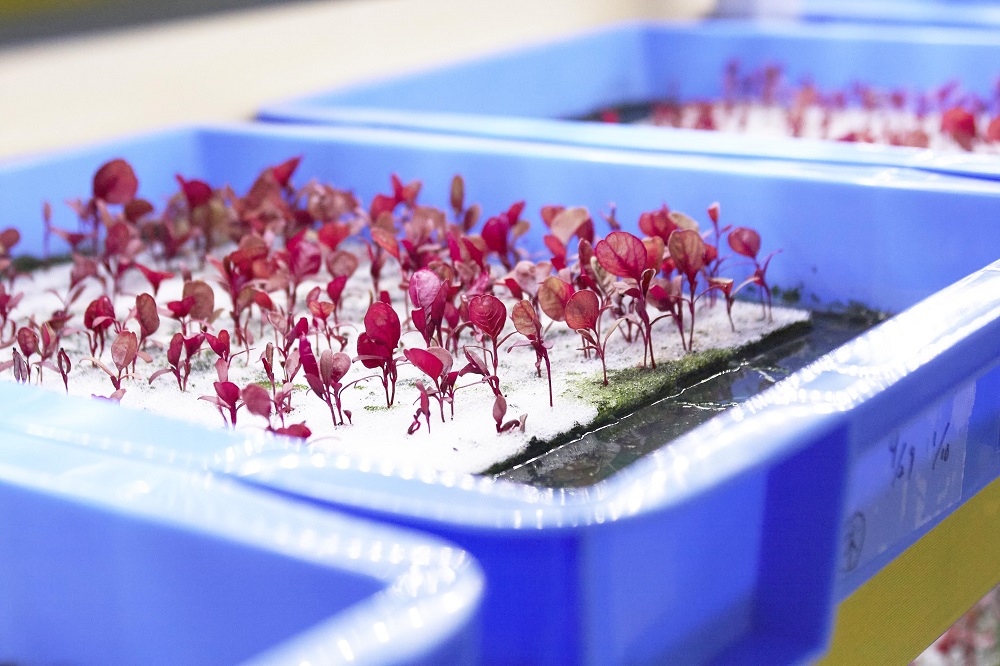
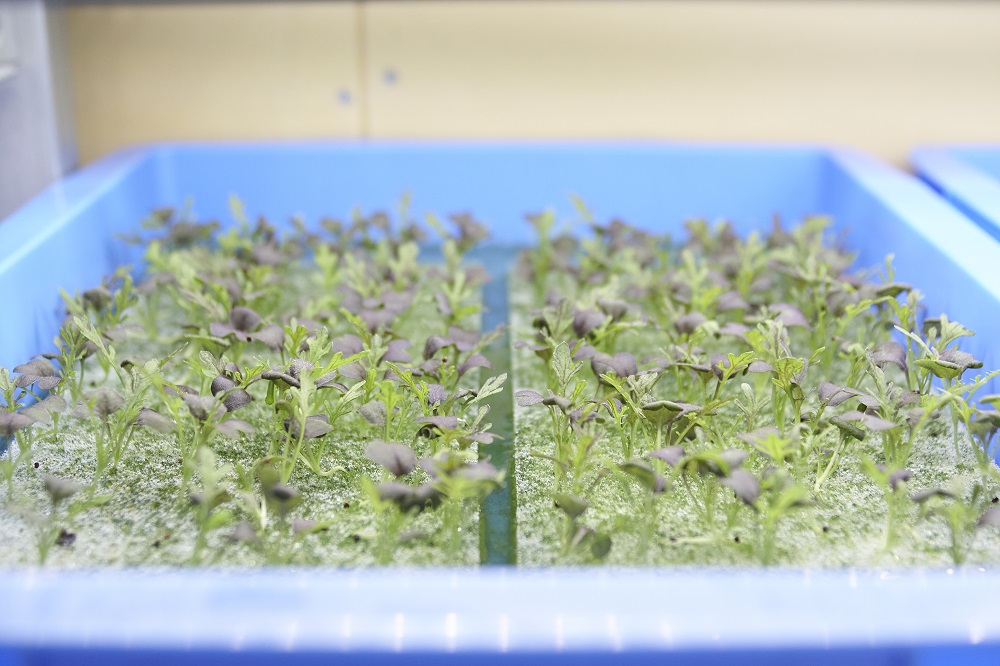
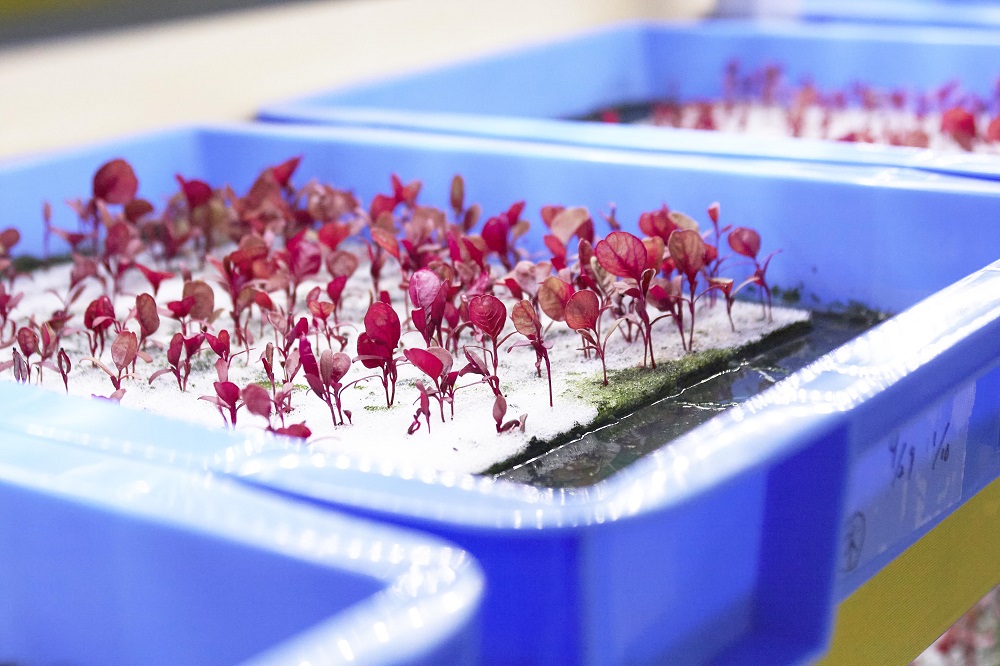
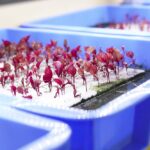
The varieties grown are mainly rare vegetables that are generally hard to find.

“At first we mainly grew lettuce, which is easy to grow, but as our sales channels expanded, more customers asked for ‘this kind of vegetable.’ After consolidating those requests, we now focus on about ten best-selling vegetables.”

SpiceCube Inc.

With the added value of being rare overseas vegetables that are also grown in Japan, there is little worry of being drawn into price competition.

Vegetable production and sales have now moved to the subsidiary Deli Farm Co., Ltd., and SpiceCube specializes in supporting companies entering the plant factory business. Recently, with banquets curtailed because of COVID-19, there have been cases of hotels entering by using their large banquet halls. The company is steadily broadening the base of entry into agriculture, and careful service design can be seen behind this.

“Right after founding, while we still had no sales, we spent a year creating a cultivation manual. Because of my doubts about the emotional teaching I once received in growing tomatoes, I wanted to create a manual that shows things quantitatively with data. With it, even companies with no farming experience can enter with peace of mind.”

However, this business model carries the risk of know-how leaking or being copied. Is there no concern about that?

SpiceCube Inc.

“Not at all. We want to revitalize agriculture as a whole, so we have no intention of obtaining intellectual property rights, and we don’t mind if our technology is copied. Agriculture is truly an industry with its back to the wall, so we need to involve as many people as possible to liven it up. This is no time to monopolize technology or compete.”

Sugai is now working hard toward the goal of “exhibiting a vegetable factory tunnel at Expo 2025 Osaka, Kansai, Japan.” The aim is to raise interest in plant factories and agriculture through the exhibit.

“Looking back at history, countries that neglect primary industry decline. That is why I want to do something about Japanese agriculture in my lifetime.”

Finally, Sugai spoke passionately about this determination for the future.

Interview date: October 28, 2022
(Interview and text: Hideaki Fukui)