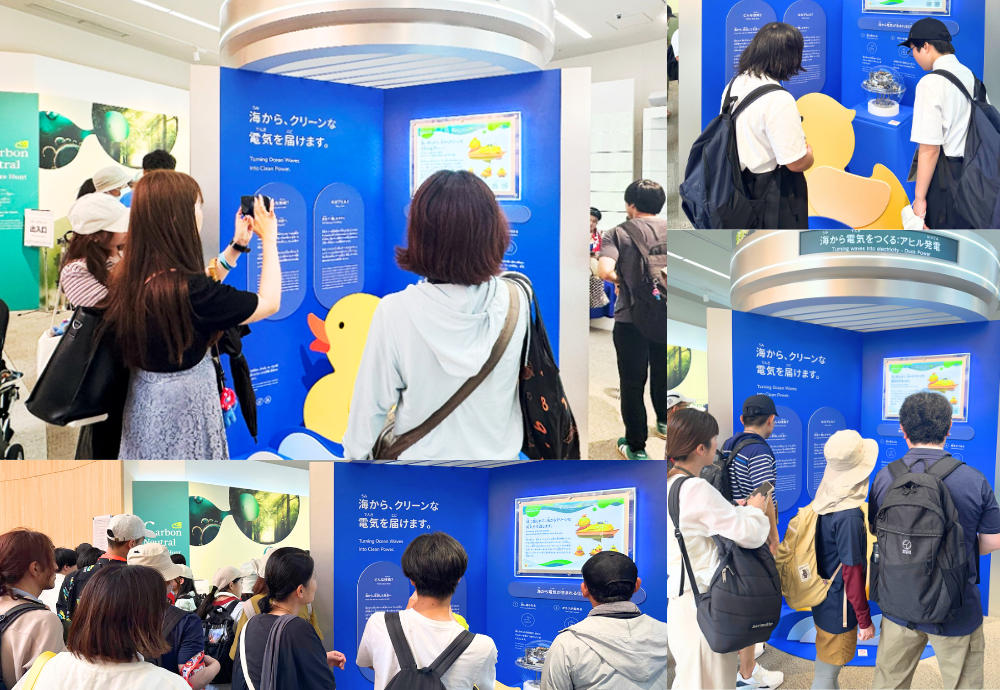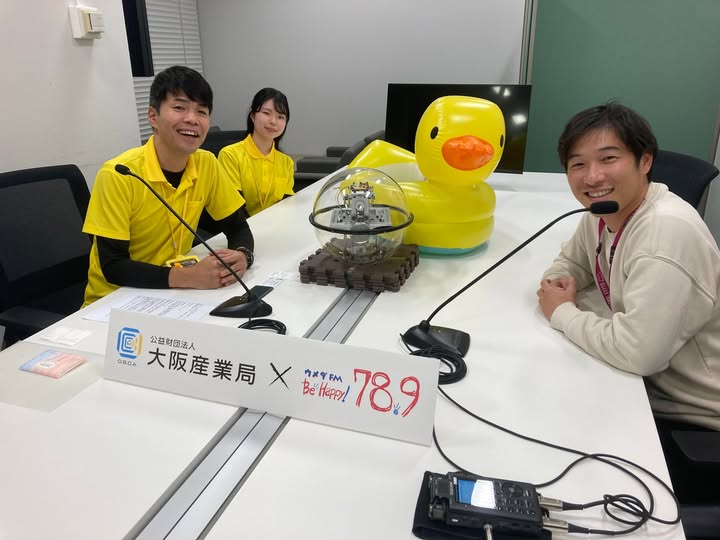



Yellow Duck Inc. is developing wave energy systems that harness the power of ocean waves to drive motors and generate clean electricity. These simple power-generating devices have minimal negative environmental impact, and the company aims to make them part of the world’s renewable energy infrastructure. The machinery is currently being verified, says Shigeo Nakayama, CEO of Yellow Duck Inc., as he tells us about his experiences and what he sees in the future.
Please explain how Yellow Duck’s wave-activated power generator works.
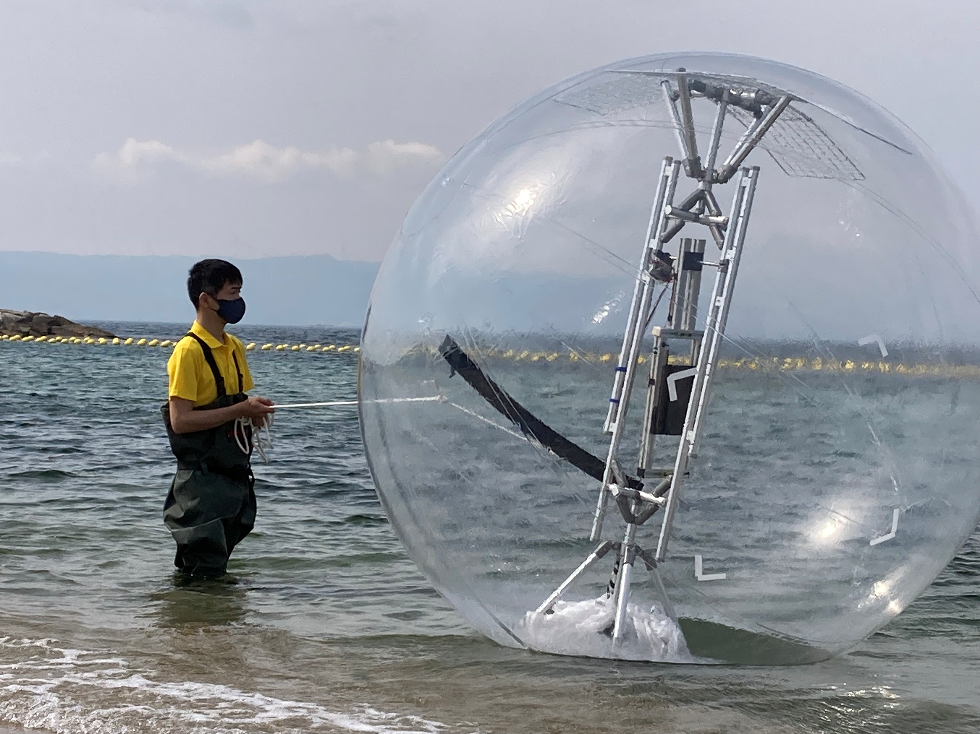
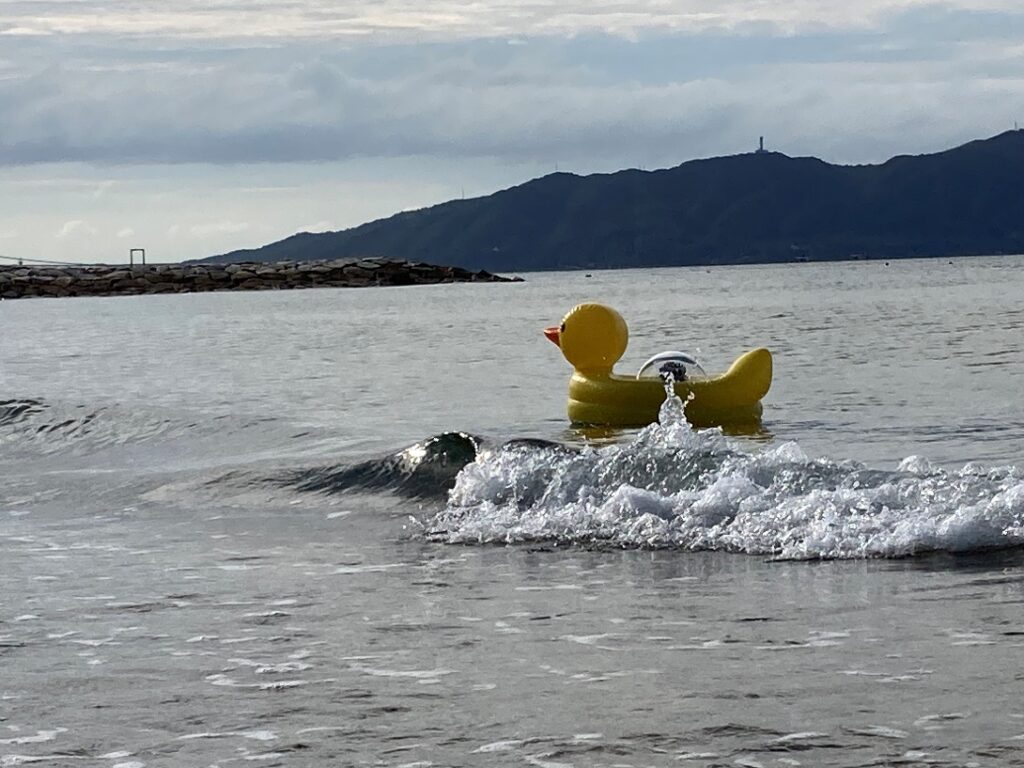
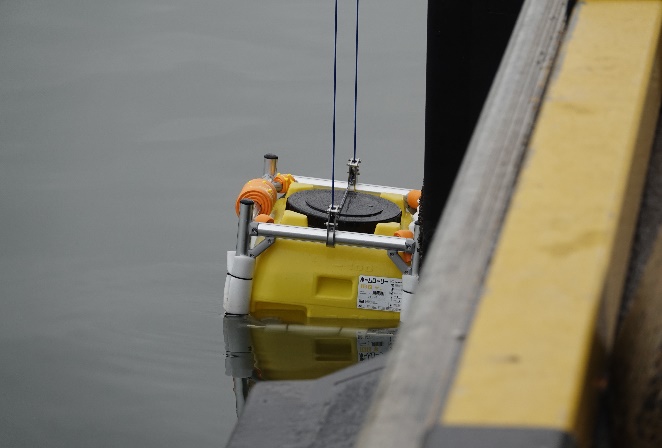
Wave-activated generators extract energy from waves. The machinery we are working on has both a buoy and a weight, allowing it to float on water. As the device naturally balances itself on the surface of the ocean, its motion is converted into usable energy.
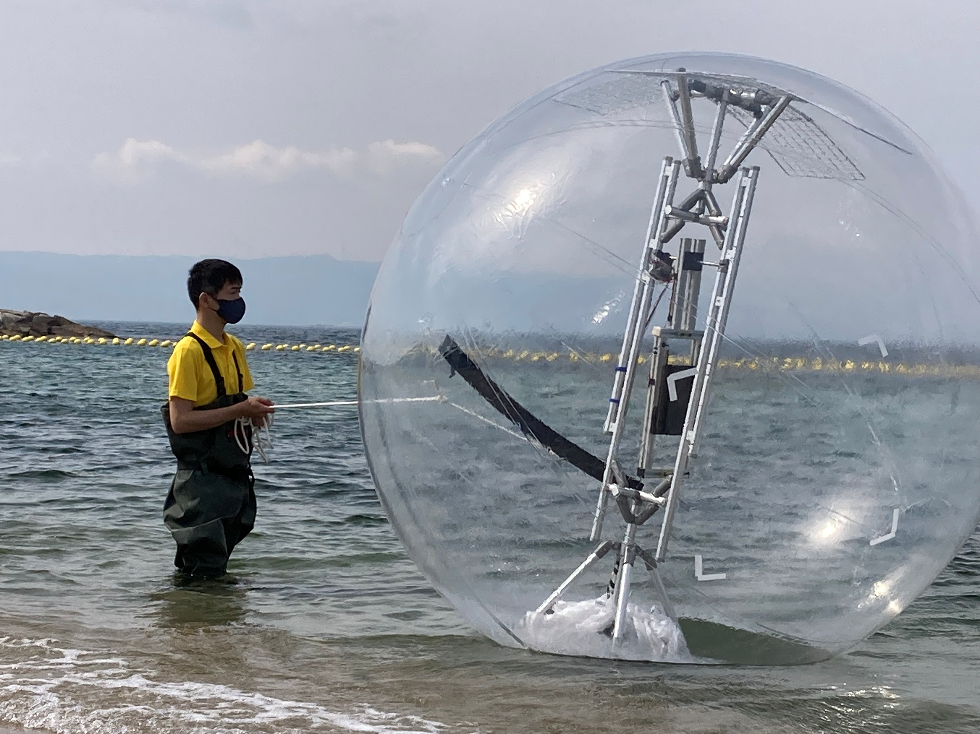
Because it floats freely, no large-scale construction on the seabed is required. It is easy to maintain, produces no CO₂ emissions, and has little impact on marine ecosystems. With 70% of the Earth’s surface is covered by the ocean, virtually any sea area could serve as a potential power-generating site.
Before arriving at our current model, we faced several setbacks. Earlier designs were overly complex, which reduced energy efficiency. We returned to our core principle: “Keep it simple and Earth-friendly.” Guided by this idea, we have continued to develop sustainable, renewable energy technologies.
Please tell us about your journey so far.
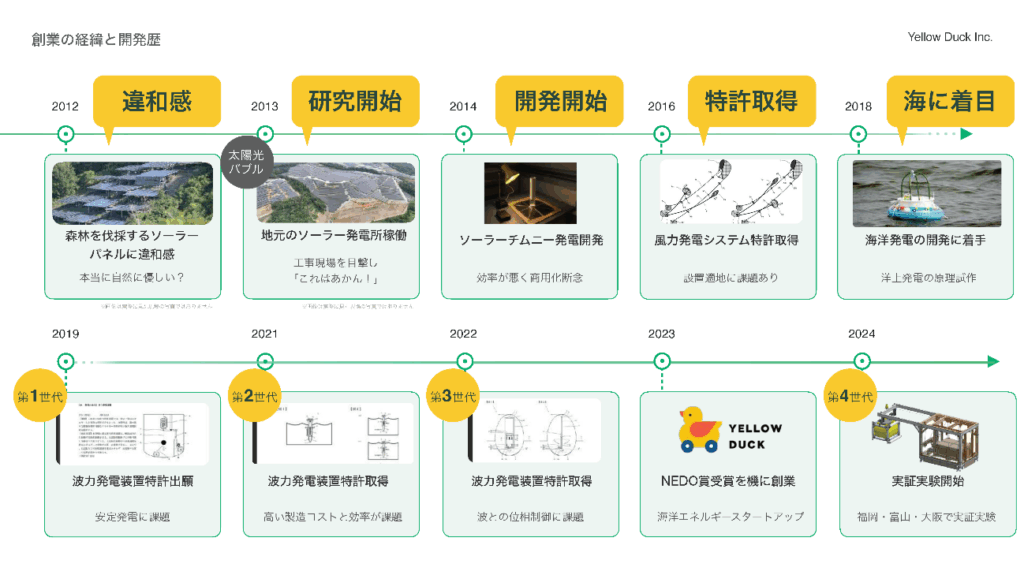
The Great East Japan Earthquake (March 11, 2011) awakened me to energy issues. Following that disaster, national and local governments began working on renewable energy resources, resulting in the widespread installation of solar panels. When I saw the mountain where I grew up being covered with solar panels, I began to question the direction of renewable energy development. There were stories about regions where, every time it rained, soil and sediment under the panels would flow into nearby rivers, flooding nearby roads with muddy river water.
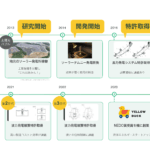
As I heard more of these problems, I began to consider how energy can be generated in a more nature-friendly way. In 2014, I started experimenting at home.
My first work was a machine called Solar Chimney. Although it did generate power, it needed even more space than solar panels to generate enough power for practical use, so I discontinued that project.

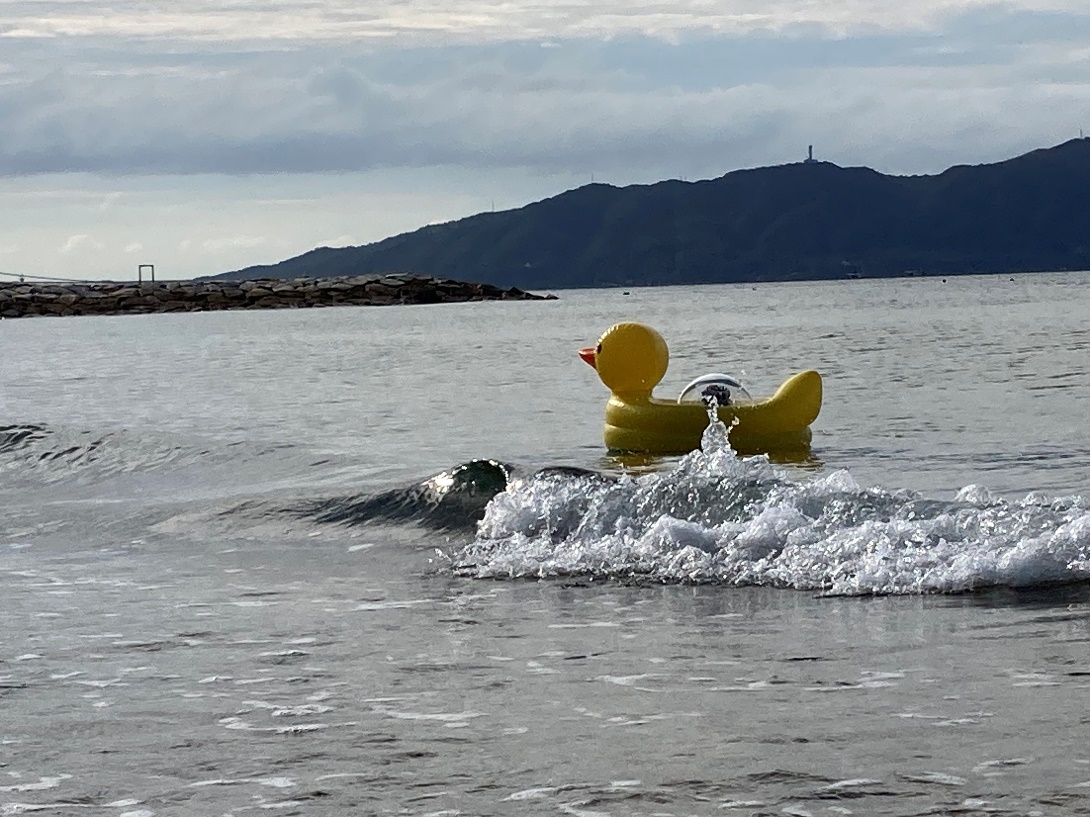
The next idea was to turn wind turbines in the air by equipping kites with windmills, or a kite-type wind-power generator. This project had the danger of the kite becoming tangled with something in the air, because the kite’s range of motion was too broad; it became another discontinued project. I was stumped. One day, while watching debris floating on ocean waves, it struck me: “Perhaps wave motion itself could generate power.” With that inspiration, I began developing a floating device with a pendulum, converting the movement of the pendulum into electricity. That device was my first iteration of wave-activated power generation devices. I spent about three years working with this item.
Please tell us about your current activities and where you are headed.
In 2022, inspired by advice from an engineer, I shifted from the pendulum mechanism to a simpler approach: using the buoy’s upward motion to directly rotate the motor. That same year, I received the NEDO Prize at a competition, which opened doors to many industries. I established Yellow Duck Inc. in August 2023.
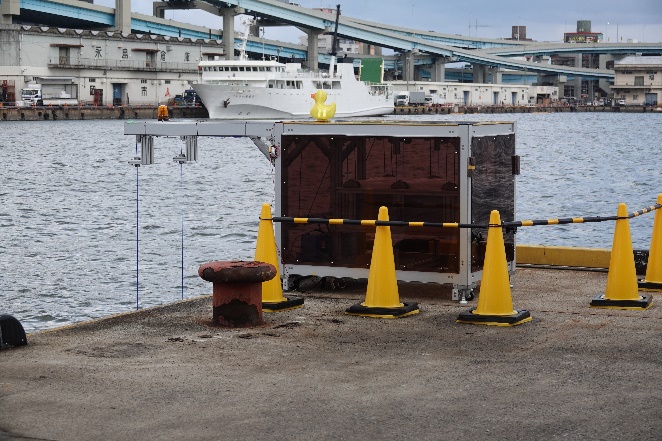
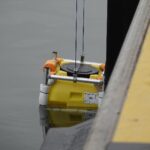
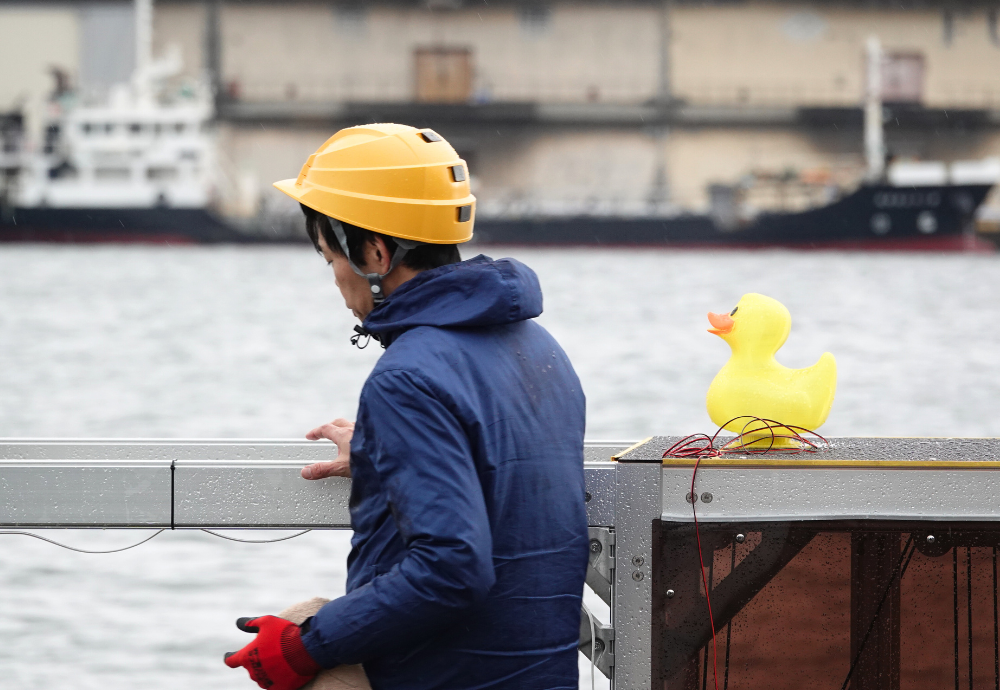
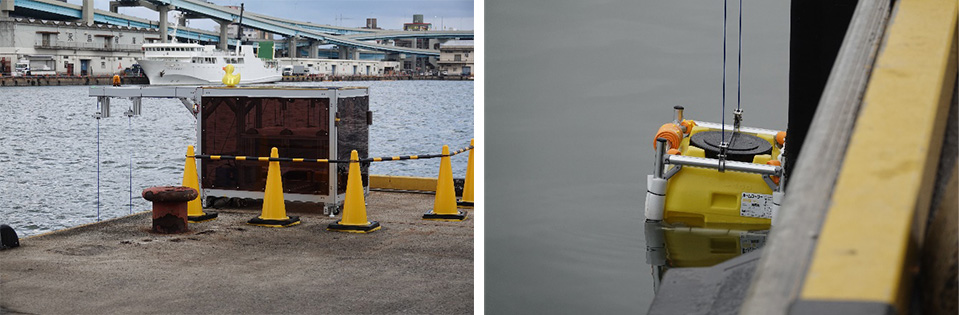
In 2024, we began verification tests in Toyama, Osaka, and Fukuoka. In the test where the device was anchored to the seawall, results exceeded expectations despite storm warnings. We are now planning verification tests with devices that float offshore. We also believe our technology could serve as an emergency power source during natural disasters, as it operates on the ocean’s surface and can be easily deployed where needed.
Every step of our progress has been made possible thanks to the people we’ve met along the way and the unwavering support of our families. Our heartfelt appreciation will always be with us as we continue to develop technologies with the goal of practical implementation.