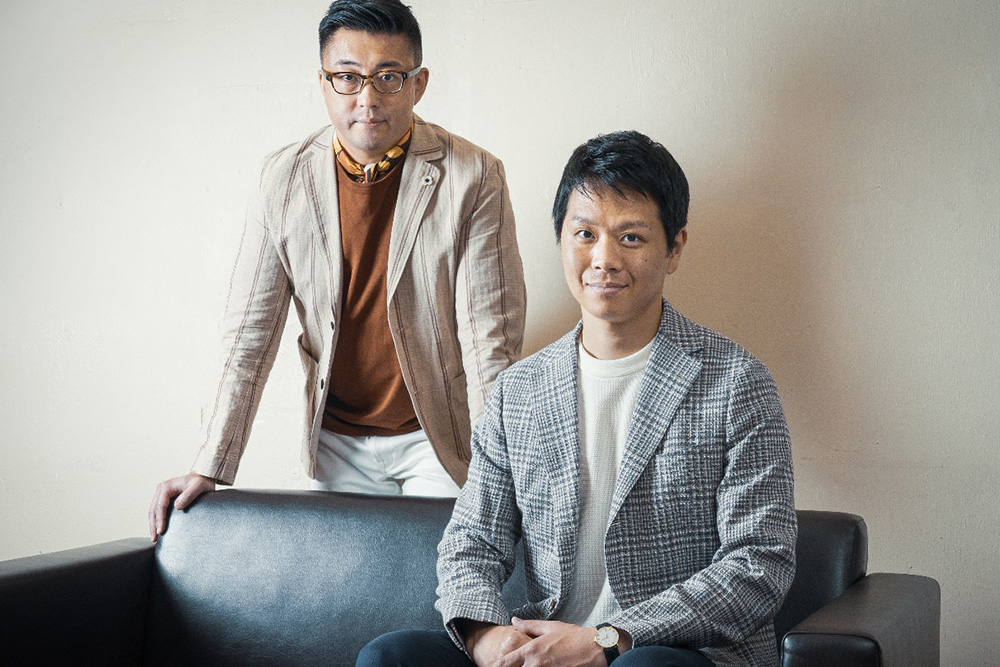
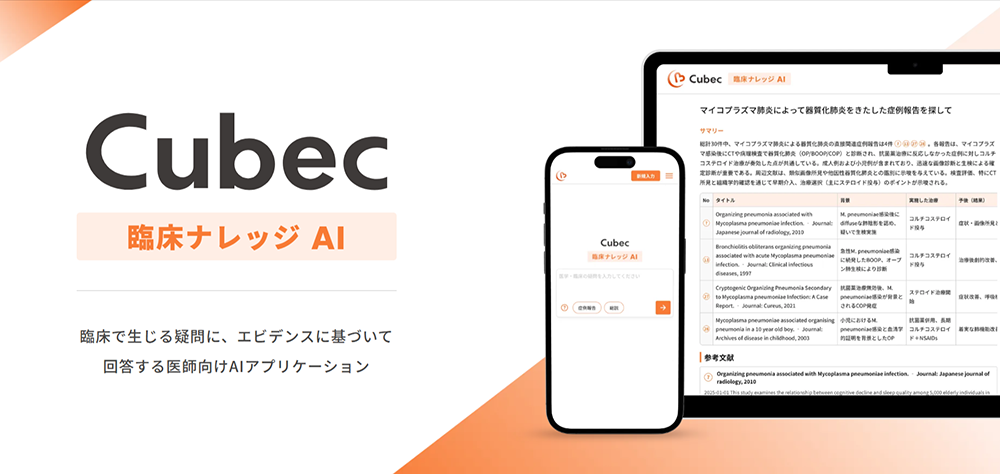
Cubec Incorporated is a startup housed in the National Cerebral and Cardiovascular Center (NCVC) that develops generative AI with a specialization in healthcare. Their Clinical Knowledge AI app “Cubec” presents trustworthy information in response to questions from medical doctors. We spoke to their CEO, Shinsuke Okui, who tells us that their mission is: Connect you to the best care.
What service does your Clinical Knowledge AI offer?
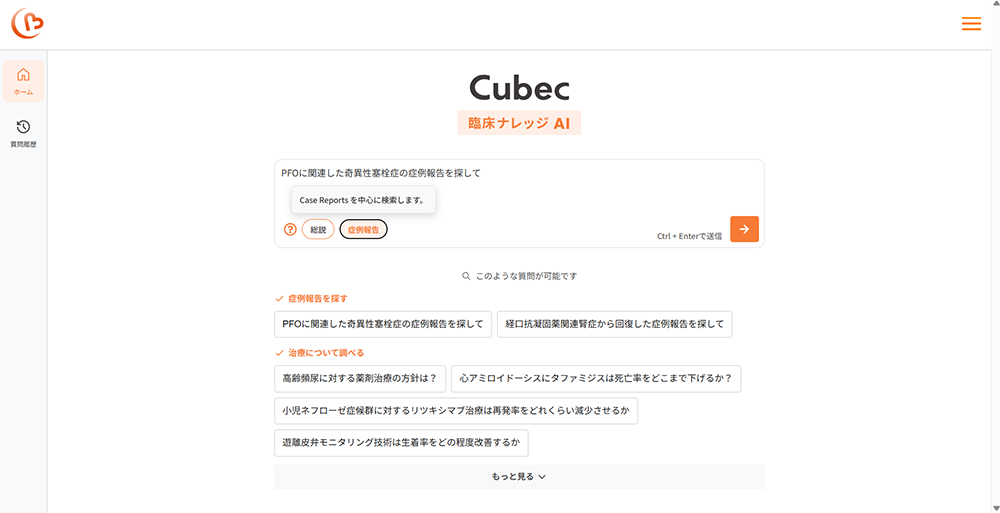
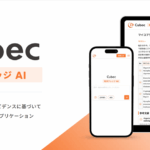
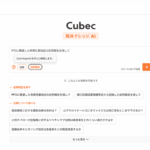
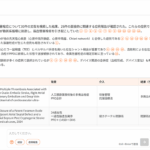
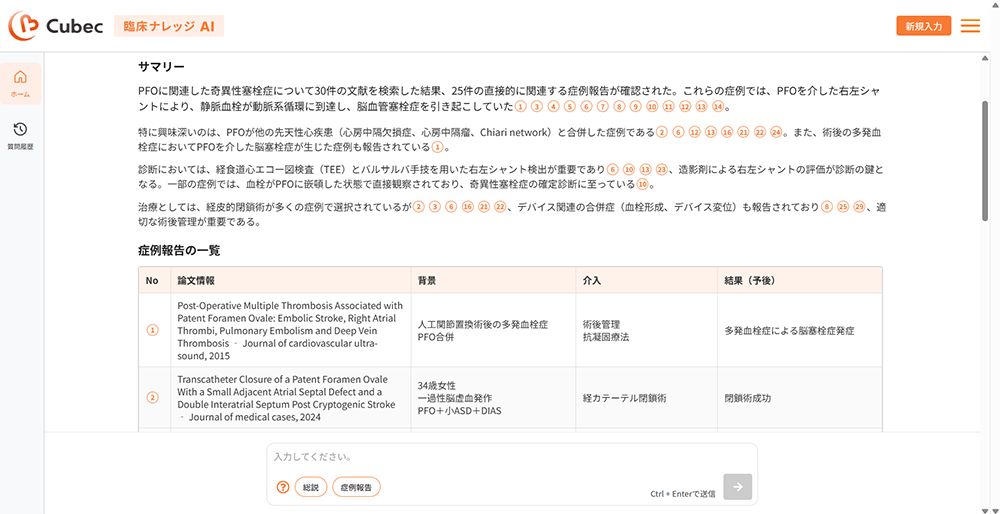
Our Clinical Knowledge AI app, also named Cubec, answers doctors’ queries with responses based on trustworthy evidence. When a doctor types in a question, the AI grasps the doctor’s intent and searches for relevant information in scientific paper databases and similar sources. It then presents a response accompanied by source information. The strength of this app lies in the fact that all responses are presented with concrete bases, and that the queries can be typed in natural, spoken language.
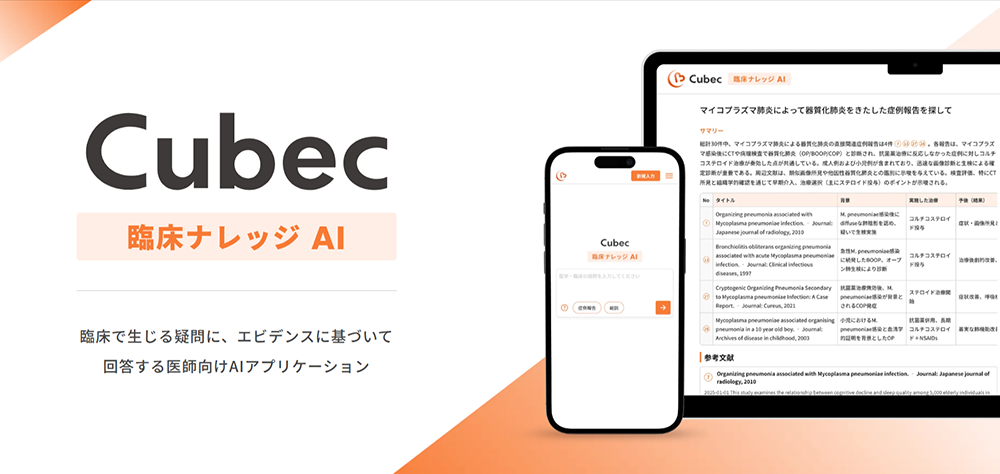
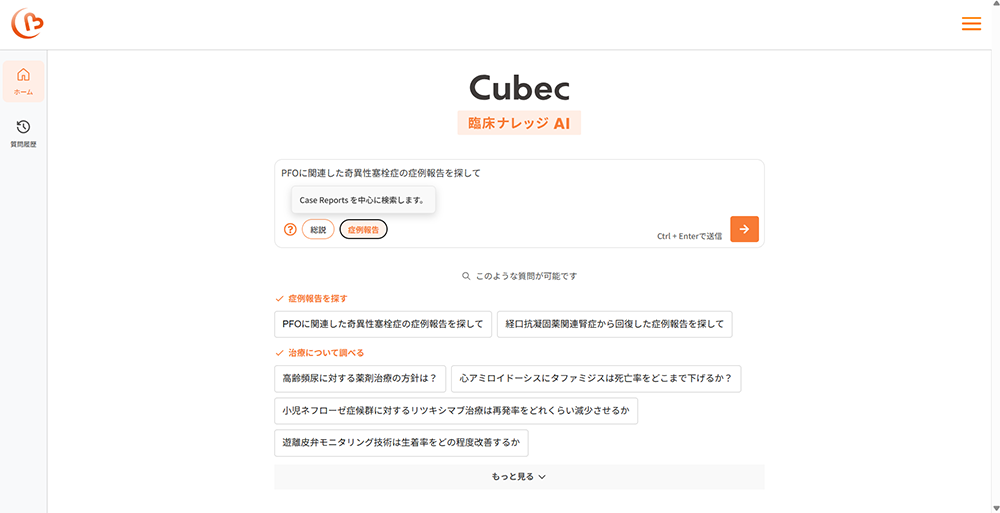
We developed this AI app in response to the increasing medical demand in rural areas, driven by the aging population and the shortage of doctors resulting from the decline in the working population. For example, family doctors in rural areas are often faced with difficult decisions about illnesses that fall outside of their area of expertise. According to our survey, more than one in four doctors search on Google or review medical literature more than once a day, for their own research.
We managed to substantially lower the rate of AI hallucinations (inaccurate or misleading responses) in the Cubec app by focusing on clinical questions from doctors. The doctors who tested the Cubec app tell us that “Responses from the Cubec app are more reliable and concise than generic AI services, such as ChatGPT or Google Gemini.”
We are planning a fall 2025 upgrade that enables Cubec to process information from clinical guidelines and package inserts. Then, by training our AI with empirical data, we will further expand our capacity. We aim to implement this in 2026.
Please tell us what other projects you have and what’s next.
We have two more projects: the first is a “Heart Failure Consultation Support AI”, which assists the consultation of heart failure patients and proposes suitable treatments. The other project is our “Pulmonary Hypertension Consultation Support AI”, which enhances the consultation process of these cases by connecting the patient, family doctor, and a specialist.
The Japan Agency for Medical Research and Development (AMED) is supporting both projects. NCVC is leading these studies with a network of various universities and hospitals. Our goal is to receive pharmaceutical approval as a medical device in 2029 and launch in 2030.
Please tell us how you started up your company.
After university, my professional career began in sales and marketing for a pharmaceutical company. As I got to know doctors who handle regional healthcare, I was struck by their situation. With the aging population, patients of heart failure, a chronic illness that has an extensive range of types , were increasing; this put doctors who do not specialize in cardiovascular medicine under heavy pressure as they searched for answers.
At that time, I had a family member who was suffering from an intractable disease, so the complexities of treatment options and self-care were very real to me. My thoughts and feelings formed our mission: “Connect you to the best care ”.
Since then, I met Niida (Co-founder of Cubec, Director and Chief AI Officer), who is an AI specialist in the healthcare field, and Dr. Saku of the NCVC (Director and Medical Supervisor), and founded Cubec in 2023. In August 2024, NCVC authorized us as one of their ventures, and we moved into the center in June 2025.
One thing that has helped me develop products is “design thinking,” which I learned at Kyoto University of Arts before I started Cubec. That course taught me the importance of letting go of preconceptions by observing things, fully using my eyes and ears.
On what’s next, the crisis in the Japanese medical field due to human resource shortage is predicted to occur in other Asian countries. That is why services for the overseas market and the development of medical assistance services targeted to the general public are also within our scope. We will continue to work towards this goal.