
A groundbreaking app connecting people who want to learn with people who teach, online
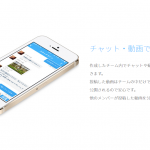
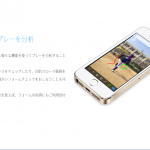
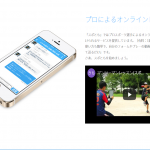
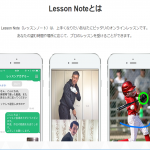
With changes in lifestyles, growing health consciousness, and the success of Japanese athletes on the international stage, people’s interest in sports is rising. Riding this momentum, a new service is attracting attention from many quarters: an app developed by Dankichi Inc. that lets people take online lessons using smartphones and tablets.
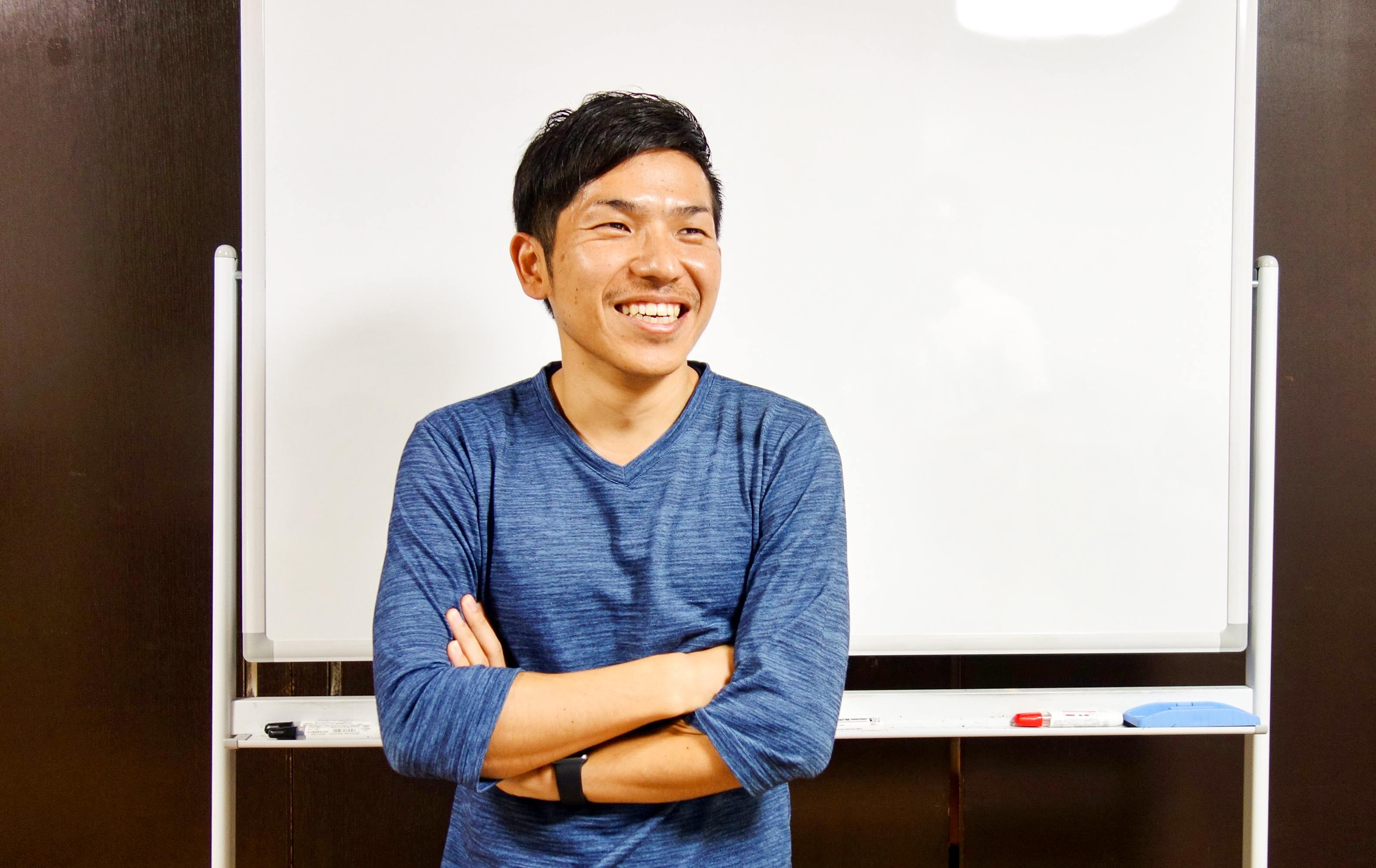
“Whether baseball, golf, or tennis, the usual way to improve has been to join a team or school and get face-to-face coaching. But the reality is that, because of regional and economic disparities, it is hard to say everyone gets enough coaching. At the same time, there are many former players and former pros who have gained experience as athletes and want to contribute to the sports world but cannot find a way to do it,” says Representative Director and CEO Taiki Yojima.
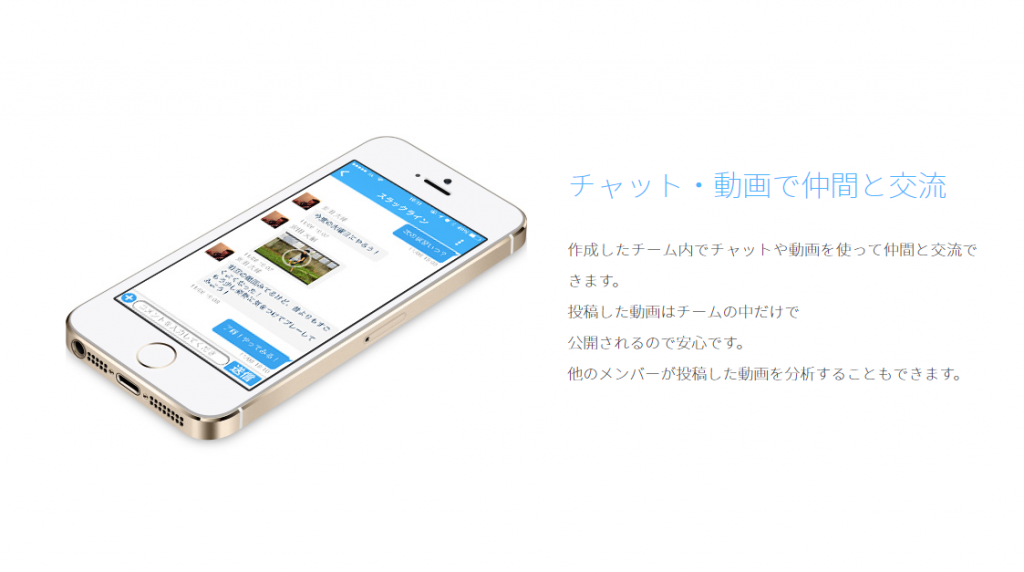
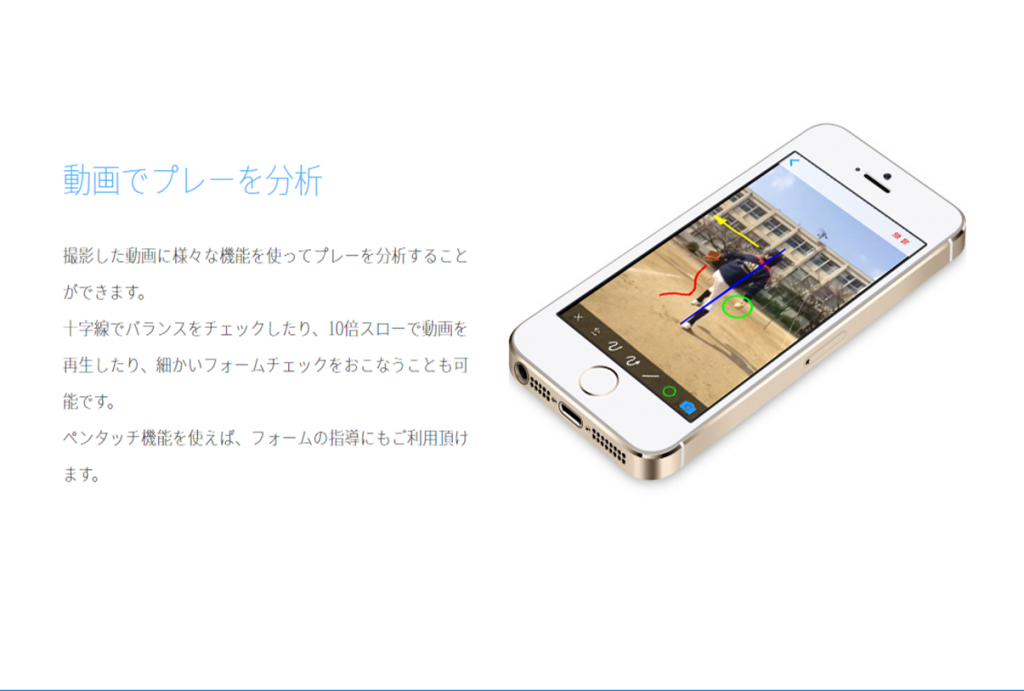
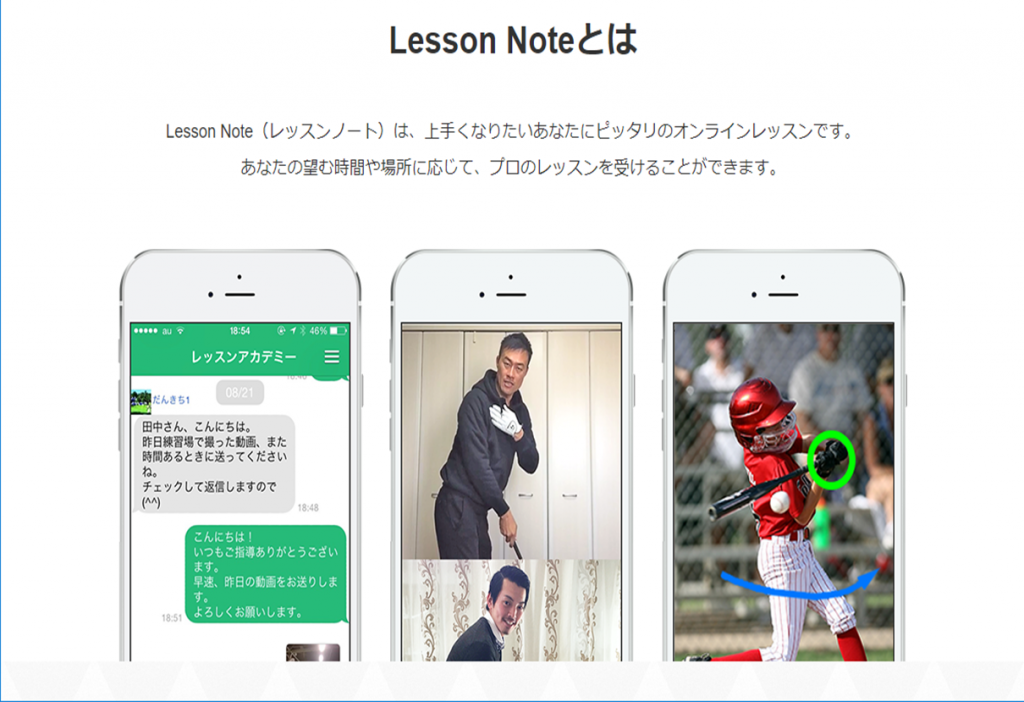
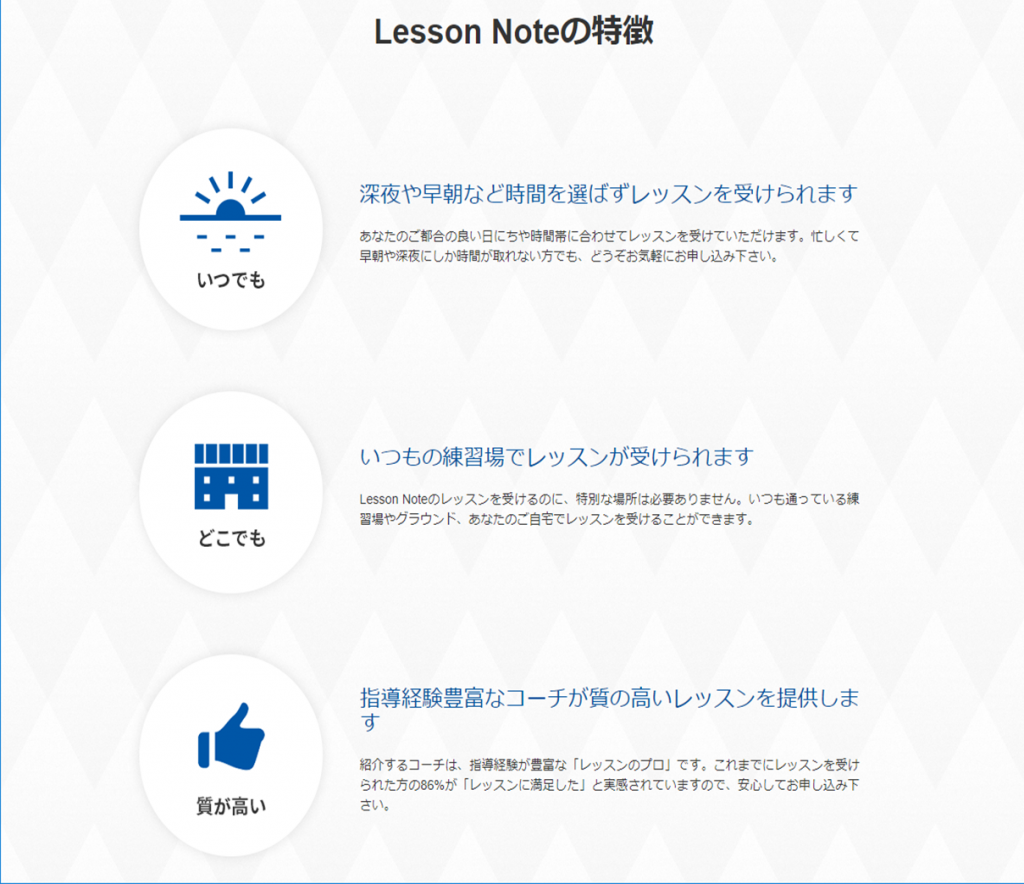
Developing people is the most important thing for the growth of sports. Yet Yojima points out that the conventional coaching environment causes big lost opportunities for both learners and teachers. The app, which connects people who want to learn with people who teach without being bound by place or time, not only lets learners acquire correct form and knowledge by sharing videos they record, but also broadens where athletes can be active, leading to possibilities for second careers. It is a completely new business born from the conviction to “create a new history of sports lessons.”
Student days devoted to baseball held the hint for the business
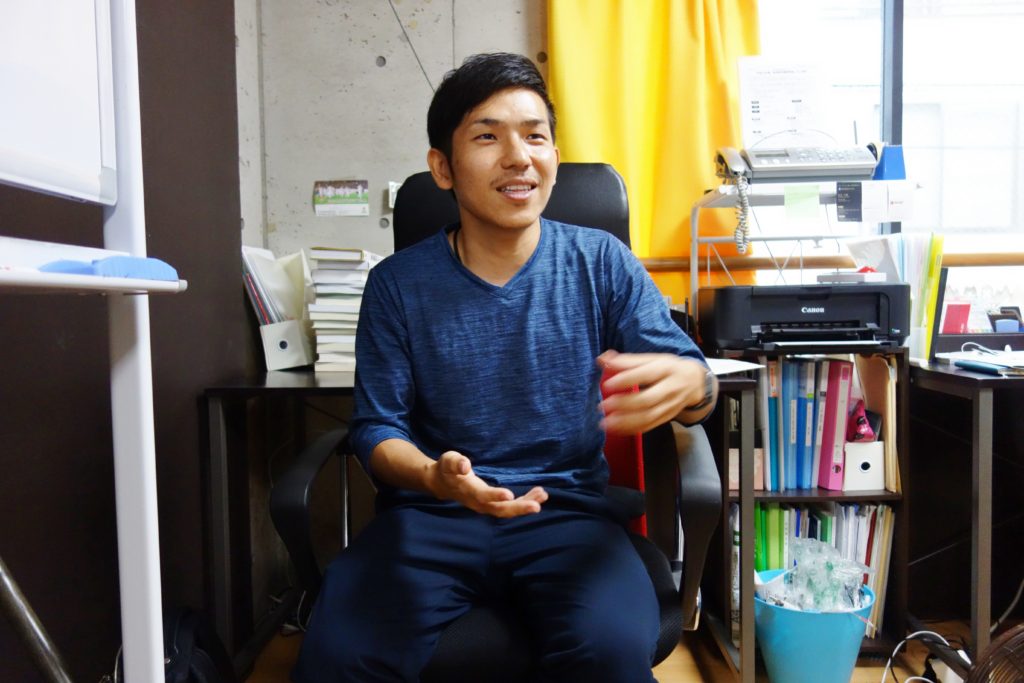
Influenced by a father, Yojima was a baseball kid from an early age. With Furuta, a childhood friend and founding member of Dankichi, Yojima joined a youth baseball team in the hometown of Settsu City, Osaka, and in high school entered Tokai University Gyosei High School, which has produced many professional players such as Koji Uehara. Yojima’s youth was all about baseball, and Yojima recalls that the hint for starting a business lay precisely in a life involved with baseball.
“In fact, Furuta and I had wanted to start a business together someday, and after high school we each prepared for it. I went to an economics university to learn management and cash flow and then joined a financial consulting firm. I left it to Furuta to acquire the IT skills we would definitely need.”
Then in 2011, at a restaurant Yojima had opened as a place to practice management, Yojima met a younger former teammate who had become a pro player.
“That junior, who had played brilliantly, told me about struggling to find work after retiring. What suddenly crossed my mind was my cousin on Amami Oshima, who could not continue a favorite sport because there was no proper environment or coach. The two stories connected, and that was the moment a business came vaguely into view.”
What then gave Yojima conviction was the death of a younger member of the high school baseball team. A DVD watched with friends after the wake, in memory of the junior, taught Yojima the power and potential of images.
“Video stays in the heart more vividly than any object or information. I wondered whether sharing it in sports could let people enjoy it with friends and use it for lessons… I think that was the first step toward establishing the business.”
The many encounters that supported us as we pushed ahead of the times
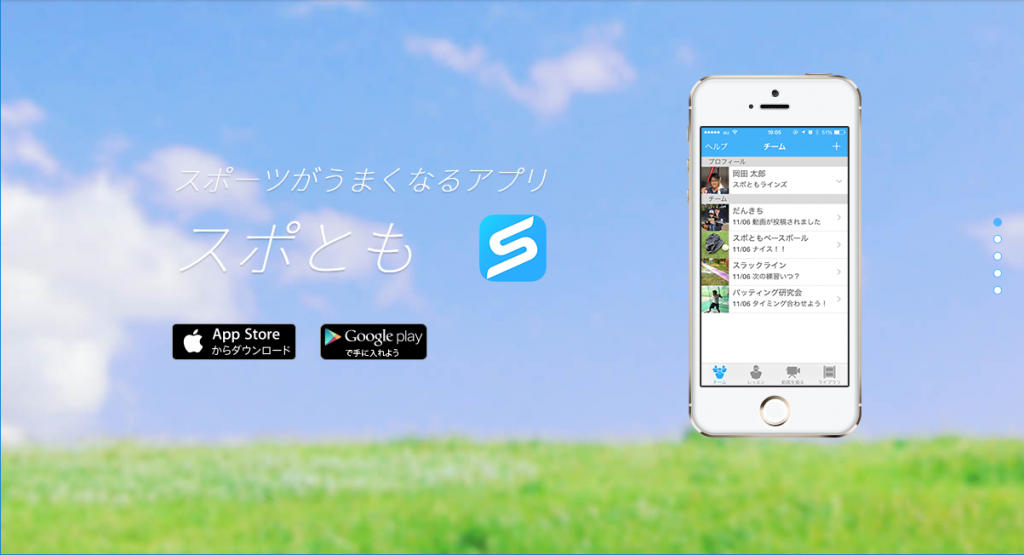
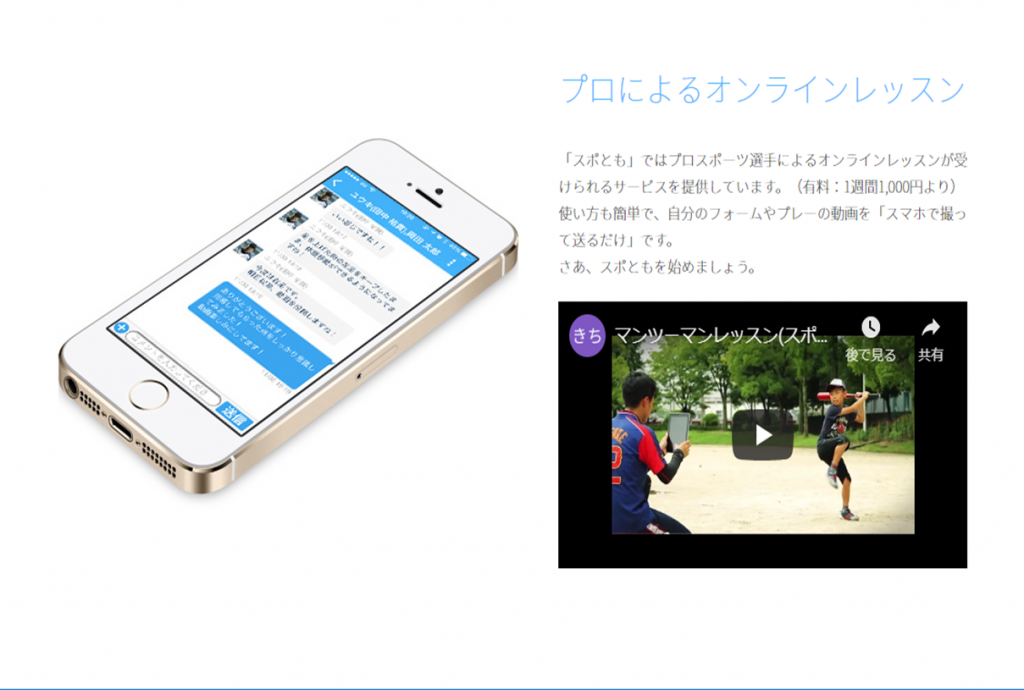
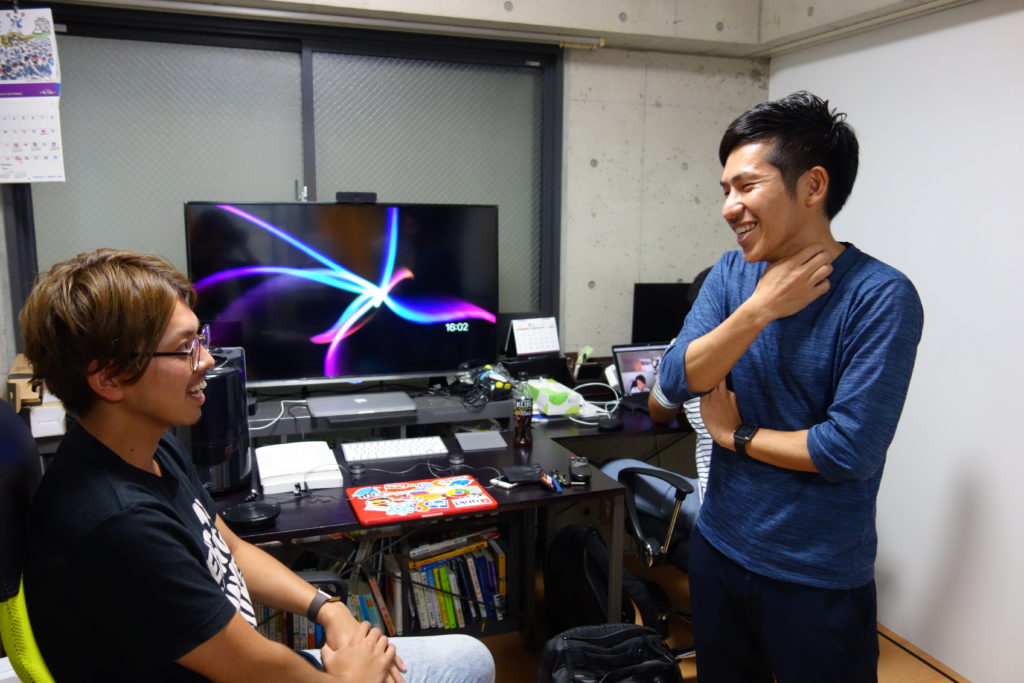
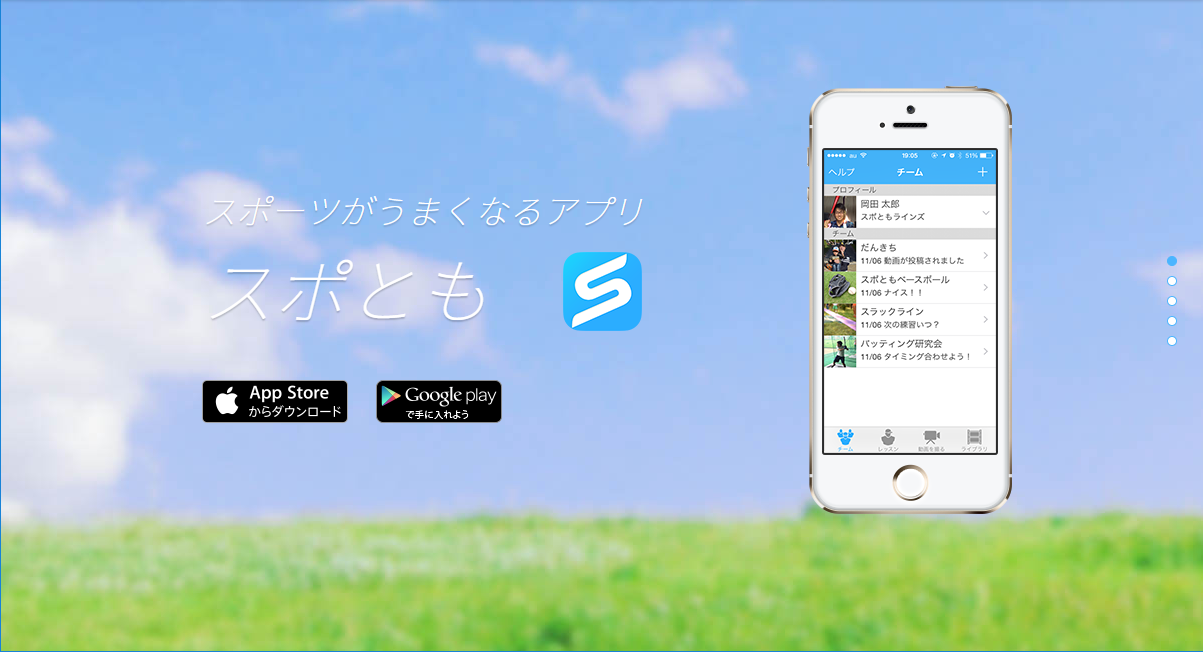
However, smartphones and social media had only just begun to spread, and Yojima says “the culture of sharing videos had not yet taken hold in society.” The team first developed Spotomo, a web service for connecting with friends through sports, and looked for a way to build a culture from zero.
Then, in 2013, they founded Dankichi Inc. and developed the app in earnest, but got no response at all.
“The first year was hell. Thinking we could not gather information staying in Osaka, we went to Tokyo with what little money we had and desperately gathered information.”
The big turning point that got them out of that tough situation was taking part in Docomo Innovation Village’s Seed Acceleration program. Being selected as one of 6 companies out of 200, they raised funds and built networks with professional athletes, laying the foundation for the business today.
Then, with the evolution of mobile networks and the growth of social media, the culture of sharing videos blossomed. The times had caught up with Yojima’s team.
“Meeting OIH was also a big turning point. Without going all the way to Tokyo, we can meet people and gather information by going to Grand Front. For us, who were pushing ahead of the times without knowing anything, it is a very reassuring presence.”
Dankichi’s business now runs in two main directions: Spotomo, a C2C business for individuals, and Lesson NOTE, a B2B2C business for schools. The app, which drew almost no response when the company was founded, has been improved again and again and is now used by about 3,000 users.
The business is expanding further, including starting development of lesson apps specializing in baseball, golf, and dance with Tokyo Dome and Avex as investors.
Have not the resolve to “fall on your sword,” but the resolve to “see it through”
Five years since founding. Yojima says the challenge that began with the conviction to “create a new history of sports lessons” has by no means been an easy road.
“With a market that has already emerged, you can make predictions, but creating a completely new system where there is nothing is not easy. There were times when my conviction wavered: is what we are trying to do really needed by the world? Having gone through that, what I think is that the most important thing in starting a business is not the resolve to ‘fall on your sword’ but the resolve to ‘see it through.’ I keenly feel that is my responsibility to the many people who support us and to the members working hard with us,” Yojima says with renewed determination.
“What I most want to create now is a way to visualize coaches’ skills. Achievements as a player should not be the only measure of coaching ability. There are many people who, even without big achievements as athletes, have studied hard and acquired coaching ability. Visualizing and sharing it can greatly broaden athletes’ second careers and becomes a system that lets learners meet good coaches. Pursuing new forms free of conventional wisdom, toward a world where both learners and teachers can live rich lives: that is the future I envision now.”
And someday, toward creating a dream environment where people can take lessons from pros and athletes all over the world while staying in Japan… Yojima’s vision is growing even bigger.

Interview date: November 2018
(Interview and text: Mitsuko Yamashita)