HeCNOS AWARD Winners Featured at Expo 2025: Carbon Neutral Startups to Watch (Part 2)

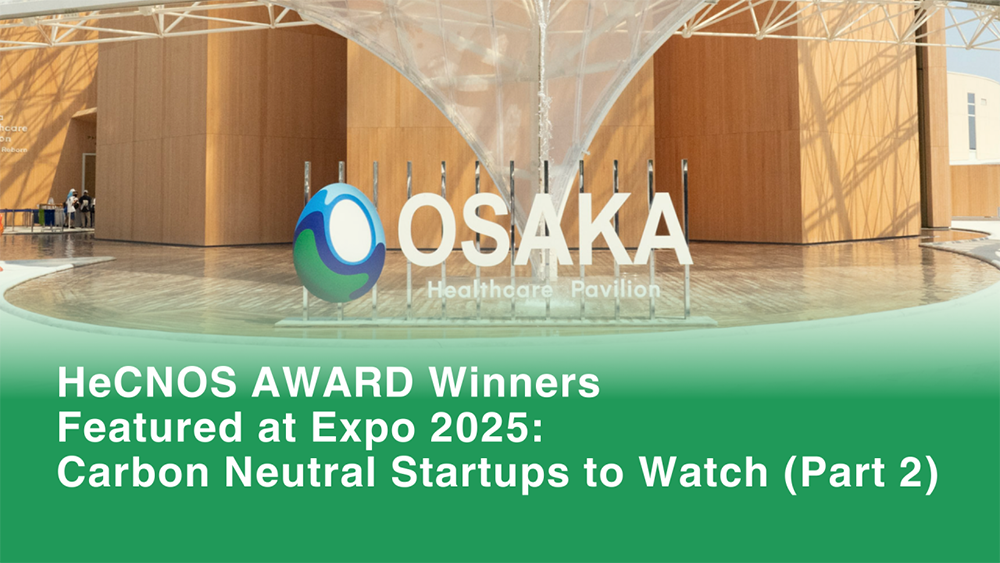
A carbon-neutral future is taking center stage at Expo 2025 Osaka. In the Reborn Challenge—part of the Osaka Healthcare Pavilion—startups and SMEs are unveiling technologies with the potential to transform industries and reduce environmental impact on a global scale.
Following our previous initiative, we now introduce three HeCNOS AWARD-winning companies pioneering novel approaches to sustainability:
- ・miibio: a University of Tokyo spin-off using light-controlled bio-manufacturing to produce sustainable materials at scale.
- ・Photo-on-Demand Chemical: developing a world-first photochemical process that transforms waste biogas into high-value chemicals.
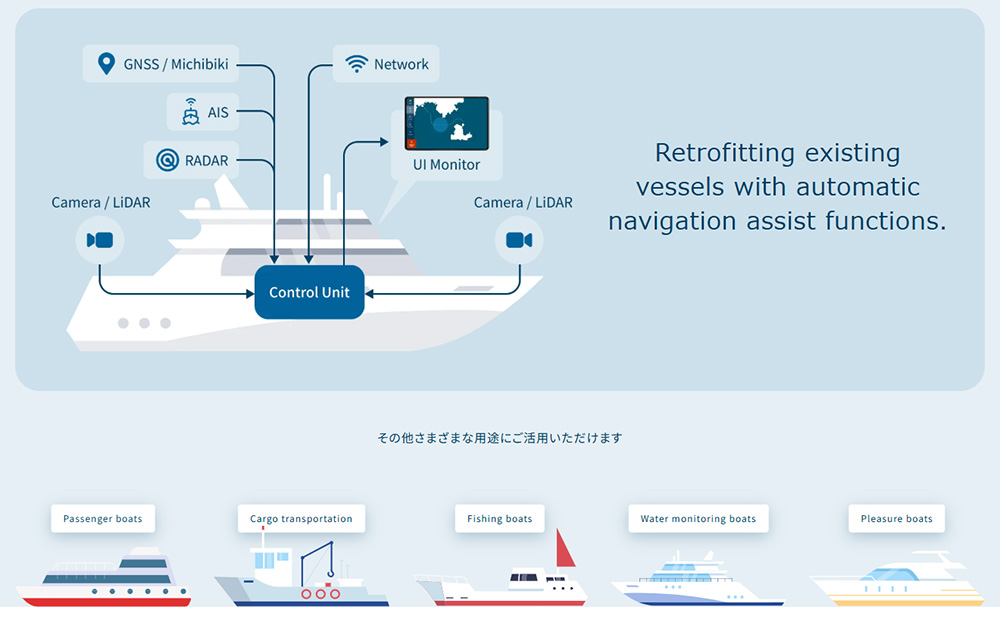
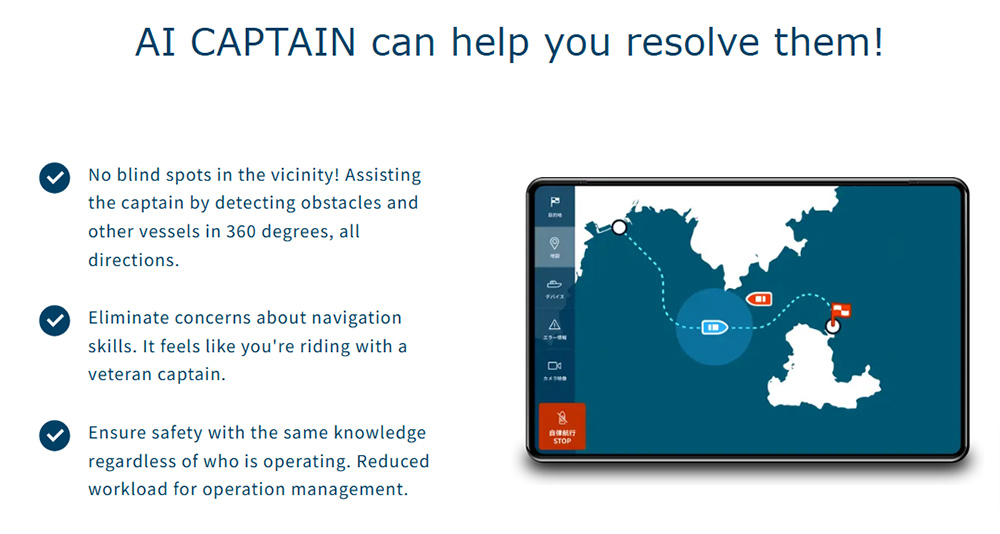
- ・Eight Knot: autonomous navigation system to improve safety in maritime transport and cut emissions.
From deeptech labs to open seas, their innovations demonstrate the diversity and ambition of Japan’s carbon-neutral technology ecosystem.
miibio
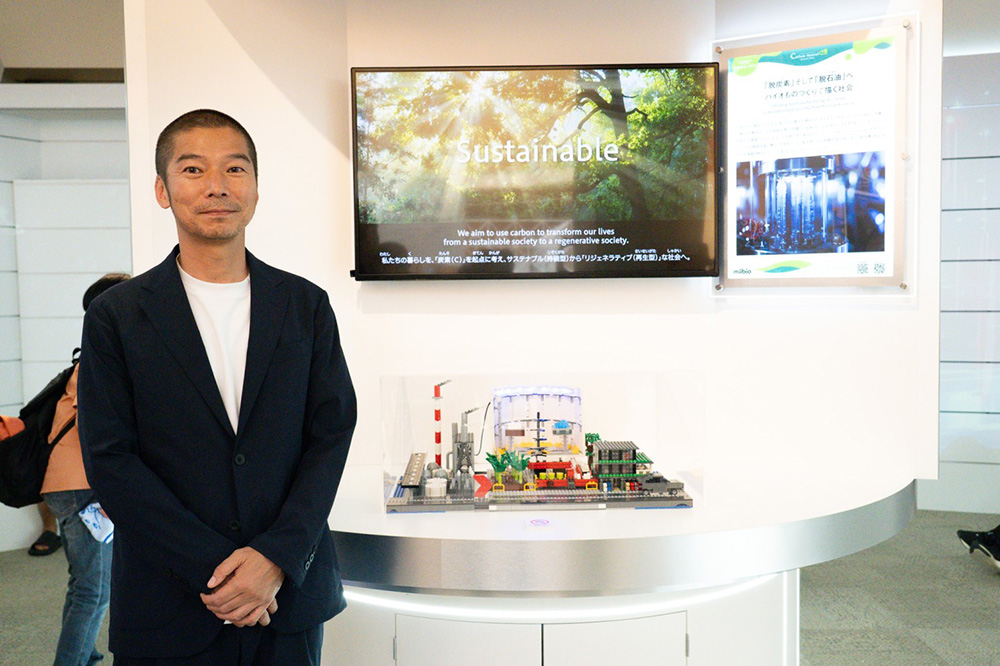
Photo: Kensho Hayamizu, CEO of miibio
Q: What does miibio do?
A: We’re a University of Tokyo startup leveraging Professor Sato’s unique light-switch protein technology to advance sustainable manufacturing. Our goal is to drive decarbonization and move away from petroleum by using bio-manufacturing—transforming plant-based biomass into materials.
Q: What’s unique about your approach?
A: We use light to control the process. By combining light-switch protein technology with bio-manufacturing, we can make production cheaper and more scalable than conventional methods. Light allows for more precise control of genetic activity compared to temperature, pH, or nutrient-based systems, enabling high-efficiency manufacturing at lower costs.
Q: Are you targeting global markets?
A: Absolutely. Sustainable manufacturing is a global challenge. Japan alone can’t achieve decarbonization—it requires participation from the U.S., China, Europe, and beyond. From the outset, global expansion is part of our strategy.
Q: What stage are you at, and what are your next steps?
A: We’re in the exciting early phase, approaching the final steps toward a market-ready product. Our next focus is forming strategic partnerships with chemical companies in Japan and overseas to scale our process and accelerate its real-world impact.
Photo-on-Demand Chemical
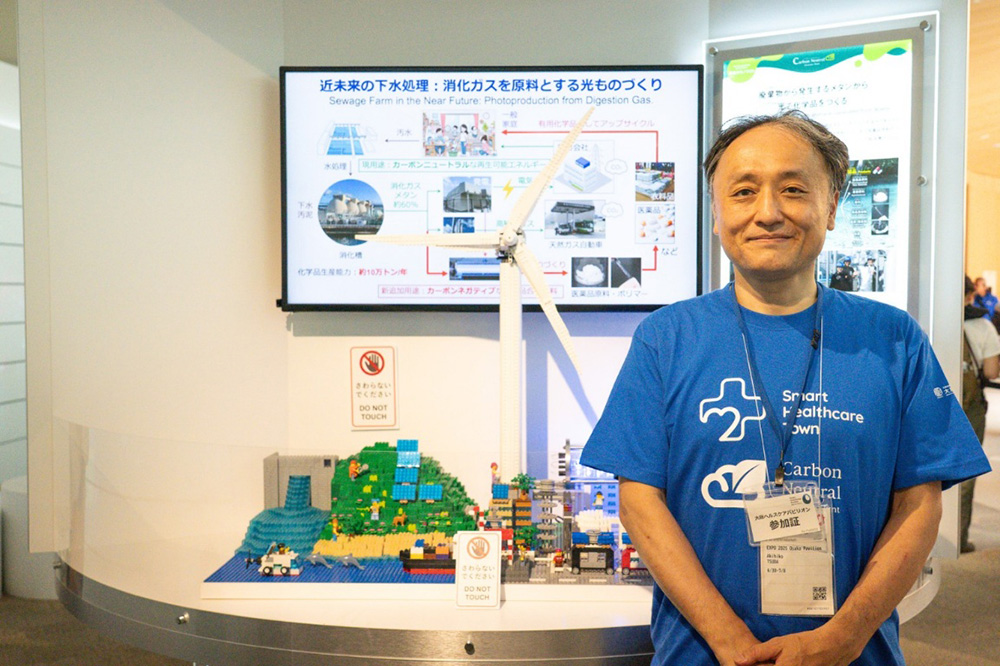
Photo: Akihiko Tsuda, CEO of Photo-on-Demand Chemical
Q: What does Photo-on-Demand Chemical do?
A: We’ve developed the world’s only technology to produce “bio-phosgene” from just air, methane (from sewage or food waste), and seawater—using light to drive the reaction. This enables us to create high-value chemicals, from pharmaceutical ingredients to polymers and adhesives, without fossil fuels.
Q: What makes your approach unique?
A: Conventional phosgene production uses toxic carbon monoxide from coal or natural gas. Our process is powered by light—solar or other low-energy sources—eliminating the need for high heat. The reaction starts and stops instantly with light, making it safer and more energy-efficient.
Q: How are you planning to scale this technology?
A: We’re developing modular container-sized systems for small, high-value applications like pharmaceutical ingredients, and large reactors for major polymer and chemical markets. While we can produce around 10 kg/day now, scaling to tons/day will require partnerships with large chemical manufacturers to ensure safety and efficiency.
Q: What kind of partners are you seeking?
A: At Expo 2025, we’re looking to connect with plant manufacturers of all sizes and trading companies with overseas networks—especially in countries like India, a major pharmaceutical producer.
Eight Knot
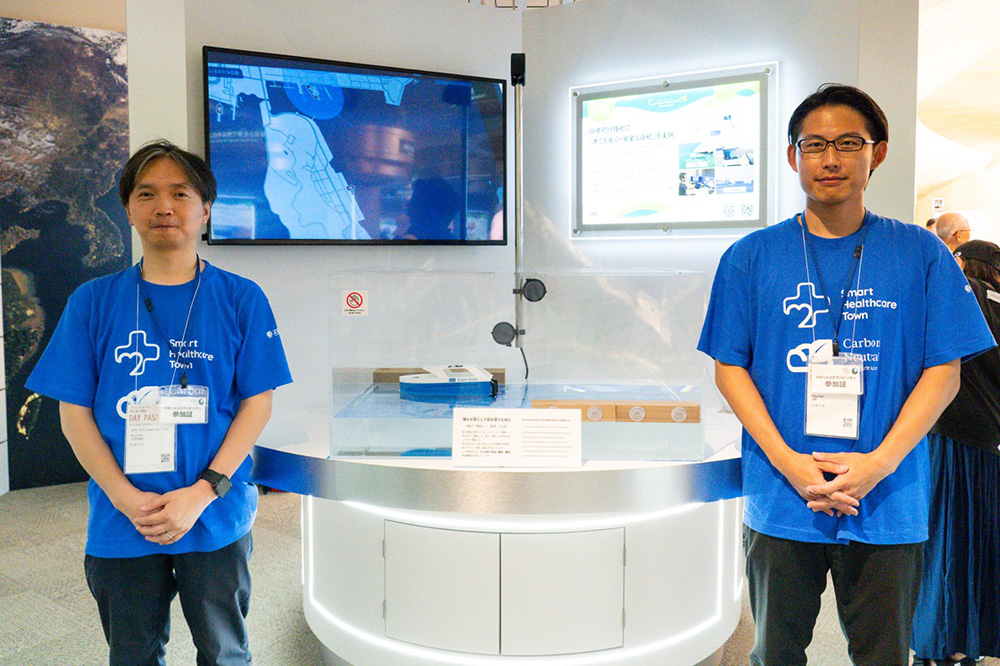
Photo: Fuchiwaki Munetaka and Joo Masafumi from Eight Knot
Q: What does Eight Knot do?
A: We develop an “AI Captain” autonomous navigation system that can be retrofitted to existing vessels—something few competitors can offer. This requires deep knowledge of both hardware and software.
Q: What’s your market focus?
A: We’re targeting the North American market by 2027, where pleasure boats account for 30% of global usage.
Q: How will you enter the North American market?
A: Our North America strategy is to build win-win collaborations with Japanese and major local players. We focus on a software-centric model: partners make the boats, while our AI Captain provides autonomous navigation. With deep hardware expertise, our software can even retrofit existing vessels—a unique strength.
Q: Who are your competitors, and how do you differentiate?
A: There are autonomous navigation companies in China, Korea, and Europe, but our retrofit capability is unique—enabling faster, more cost-effective adoption.
Q: Any results from participating in the Reborn Challenge at Expo 2025?
A: Many are surprised that autonomous navigation is already a maritime reality. Even on the first day, Expo participation has led to multiple media inquiries and raised our profile with potential partners.
About the Event
Technology for a greener tomorrow Carbon Neutral Treasure Hunt
Exhibition period at the Osaka-Kansai Expo: July 1st Tue –July 7th Mon, 2025
Article Source
Osaka Startup Digest
Exploring the startup ecosystem of Osaka & Kansai.