

Equipped with two world-first technologies, enabling walk-through authentication and payment at ticket gates and venues
With IT and ICT so advanced, why do we still have to take out an IC card or smartphone and touch a reader when passing through a train ticket gate?
Or when entering a booked event venue or a facility such as a museum, why do we have to line up again at the entrance, open a smartphone app, and show a ticket or QR code?
If advanced technology were used more, it would not be strange if, when getting on and off trains, shopping, or entering venues and facilities, we could simply pass through without holding up a smartphone, with no stress and no action. Have you ever wondered about that?
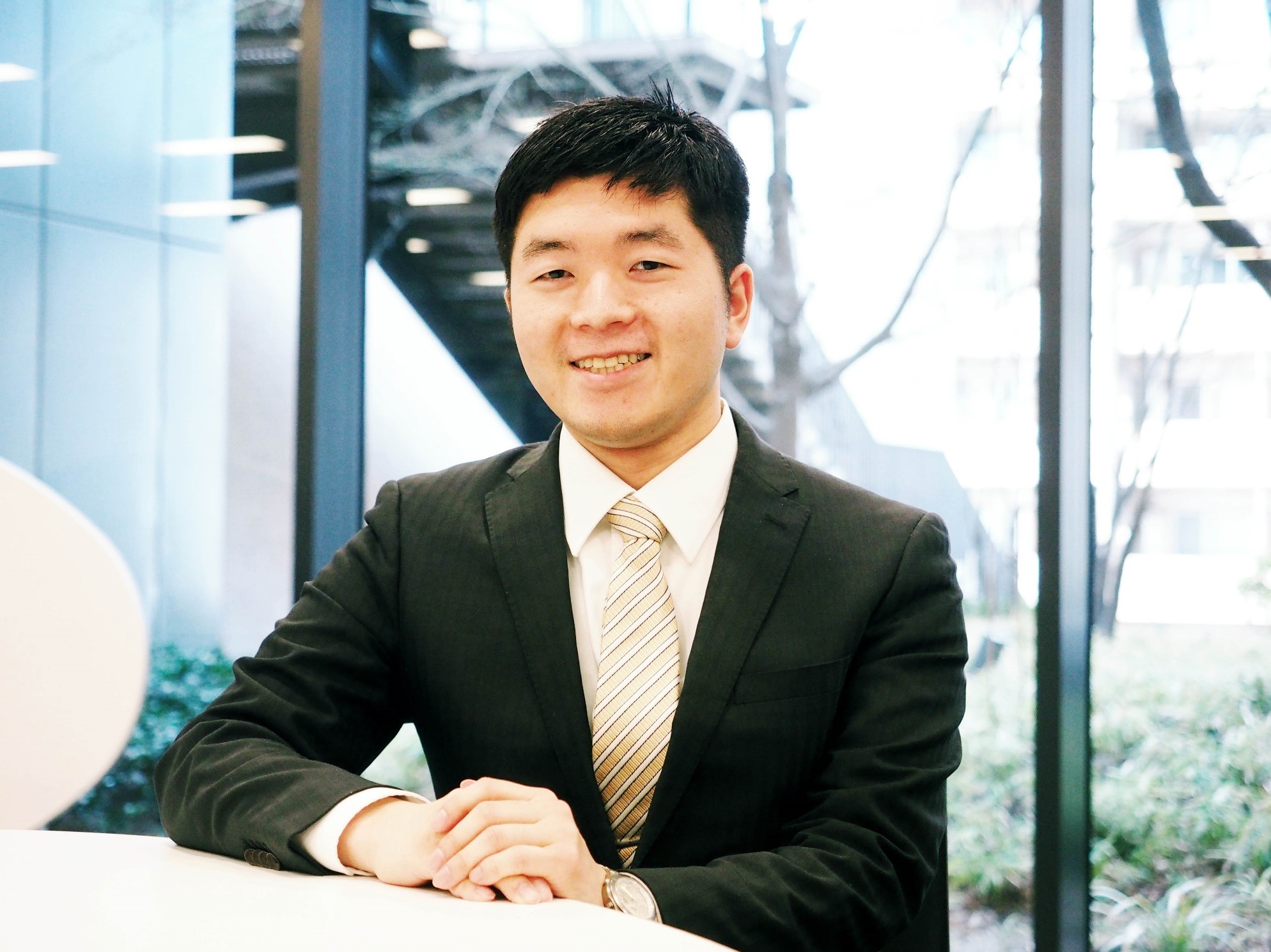
PaylessGate (now Sinumy Co., Ltd.), led by Yasuhiko Adachi, focuses on exactly this and aims to provide a new platform for entry and exit.
With the company’s touchless payment and authentication technology, there is no need to take out and show a smartphone when passing through ticket gates or entering venues, and no need to stop for identity checks. Simply walking straight through completes identity verification and the check of tickets.
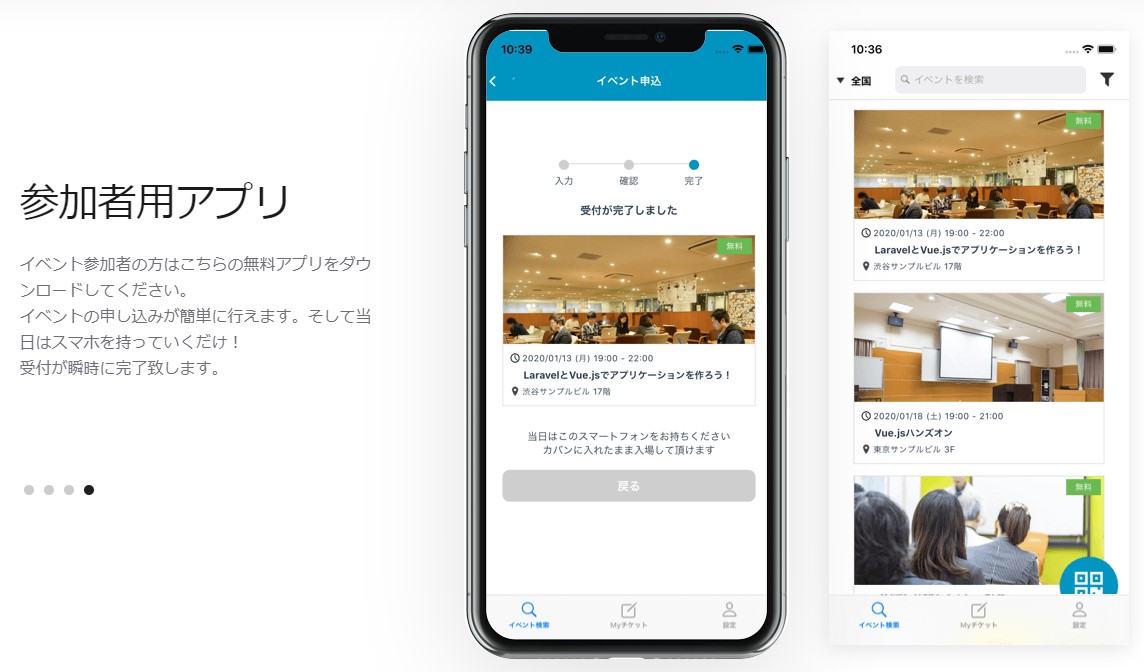
The company currently offers a business that provides this technology as a platform and a business using a simpler app, Shunkan Rakunyu, aiming for a society even more touchless and payless than today.
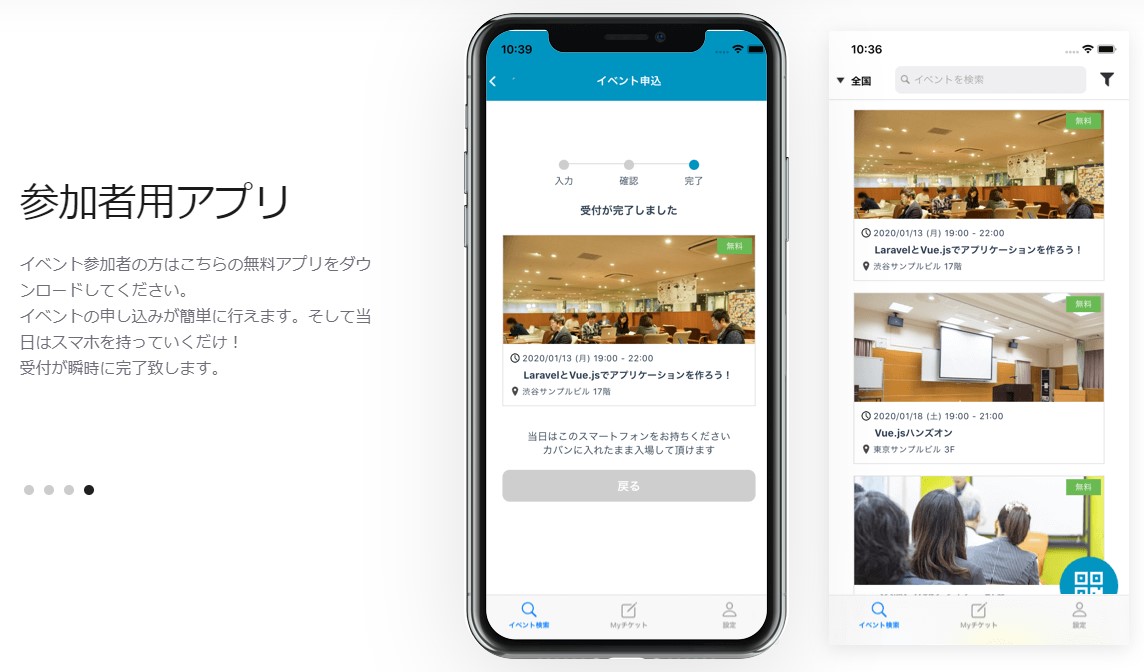
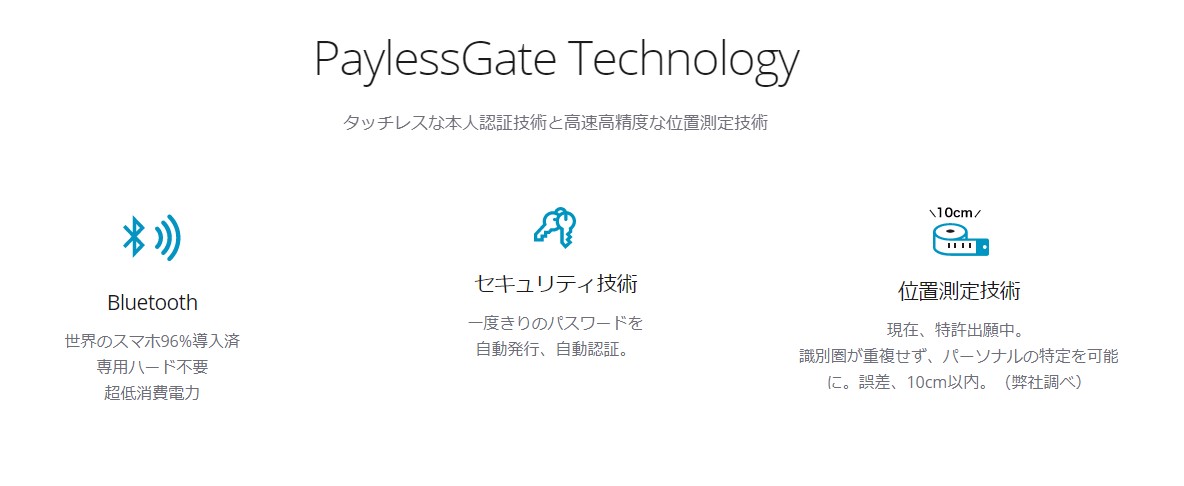
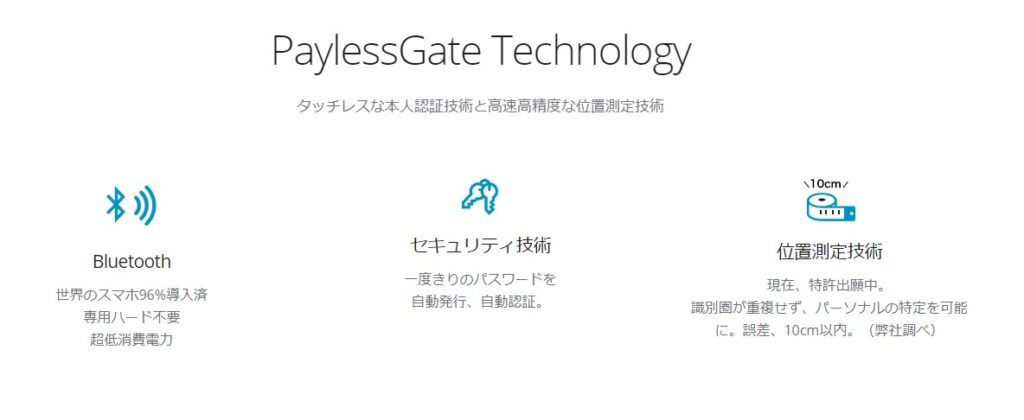
“The touchless payment and authentication technology I developed uses personal authentication technology based on Bluetooth, which is built into almost all of the world’s estimated 6 billion smartphones, together with fast, highly accurate positioning technology.
Unlike methods using conventional IC cards or QR code technology, there is no need to bring the phone near a reader, and it works even when the smartphone is asleep. In other words, you can authenticate and pay walk-through and hands-free, without taking the phone out of your bag or pocket.
Demonstration trials and adoption are now under way at various event-related companies. If this technology spreads to many fields, it will also be possible, at vending machines, convenience stores, supermarkets, and more, to pick up items with electronic tags and have payment completed the moment you walk out of the store, without going through a register. A truly seamless society will become reality.”
The biggest feature of the touchless payment and authentication technology is that it uses two world-first technologies that Adachi developed independently. In particular, the technology that can measure position with several dozen times the accuracy of conventional methods is something that no other tech company has achieved.
Introducing the technology is also inexpensive, because it can use the Bluetooth built into many registers, computers, and tablets, or general-purpose Bluetooth, so there is no need to install expensive dedicated readers and costs stay low.
Naturally, the benefits of greatly speeding up entry, reducing hassle, and saving labor are also drawing attention from inside and outside the industry.
An “always keep thinking” attitude, learned in childhood, that leads to today’s business creation
Before starting the company in 2018, Adachi worked in research and development at one of the industry’s largest electronics manufacturers. Adachi says the style of “always thinking about something” had already been acquired in elementary school.
The big trigger was a question Adachi had as a child: “Why do people live?”
In response to this question, which could be called an eternal one for human beings, Adachi established an unshakable personal policy: “live without regrets.”
Since then, to avoid regrets, Adachi has been committed to thinking things through with an eye on the future in everything.
In junior high school, Adachi questioned why a teacher’s way of teaching was boring and made one connection after another: “Make classes more fun ⇒ that requires changing the educational environment ⇒ that requires money ⇒ then think of a business that generates money”…
In high school, thinking that a service comparing insurance policies would catch on, Adachi devised a business model. A while later, insurance comparison services appeared in the world, and Adachi felt that “the businesses I think of are pretty much on target.” Since then, Adachi has had the habit of thinking about business from everyday problems.
“What kind of life do you think awaits you at 80, after retiring at 60 or 70? What do you think you will look back on?
I kept thinking about things like that endlessly when I was in elementary school. (laughs) And I realized that to avoid regretting in old age, “I should have done more of this back then,” it is important to always keep thinking: doing what I can now, and doing things that are better done early.
Since then, I have kept thinking about anything I see or hear in daily life that strikes me as strange or raises a question. I think that attitude is also alive in my business today.”
With this strong spirit of inquiry, Adachi entered Kyoto University, majoring in physics and astrophysics, and set out on the path of uncovering the truths of matter and the universe.
Alongside studies, Adachi started a university-born venture by taking over a medical publishing business run by a relative, and started another IT venture in website and infrastructure building, developing a management perspective early on.
The businesses were going smoothly, forming alliances with other companies and steadily producing results, but in the third year of university, to focus on ultrasound research Adachi was involved in as a visiting researcher at Pennsylvania State University and to aim for graduate school, Adachi transferred both companies.
Giving up a position creating world-first and industry-first technologies to take the first step as an entrepreneur
Adachi researched particle theory and cosmic rays at university and lasers (light) in graduate school, also working on optical computers, which use light instead of electricity to compute hundreds or thousands of times faster than usual.
After finishing graduate school, wanting to put the optical computer research into practice, Adachi joined a major electronics manufacturer in a research and development position reporting directly to headquarters.
Just one week after being assigned, a proposal Adachi made was adopted and produced the first patented technology, a second came in three months, and Adachi went on researching and developing a flood of ideas at a rapid pace, contributing to patents. Among them were many world-first technologies, such as a lensless microscope, though it was not commercialized.
“People often ask me, ‘Where do so many ideas come from?’ I have been thinking all the time since elementary school, so I always had several ideas. Then, because there was a place and an environment to realize them, I could give them shape right away.”
In the end, Adachi achieved the remarkable feat of developing about 50 patented technologies in five years at the company and became someone the company had high hopes for, but left for family reasons.
Amid this, what spurred Adachi to start a company rather than find another job was an idea using touchless payment and authentication technology.
The business idea was born from the stress Adachi felt as a researcher when transferring between several railway companies: taking the IC card in and out again and again, and sometimes searching for where it had been put away.
To answer the questions of that moment, “Why? It’s so inconvenient, so why aren’t ticket gates improved? Why isn’t there technology in the world to relieve this stress?”, Adachi advanced independent technical research and developed an authentication technology using Bluetooth, while also working on building a business model.
Then, in June 2018, Adachi founded PaylessGate (now Sinumy Co., Ltd.), taking the first step from researcher to entrepreneur.
Aiming to contribute to many fields, such as the post-COVID world and smart cities, with innovative technology
After starting the business, Adachi focused on proposing the touchless payment and authentication technology to railway and event companies and forming business partnerships. The company began developing Shunkan Rakunyu, an app for efficient reception at events and elsewhere, and actively took part in related events to raise funds from venture capital and large companies.
In 2019, the company ran a demonstration trial at a seminar, and based on the results succeeded in raising funds from customers and investors, completing the app.
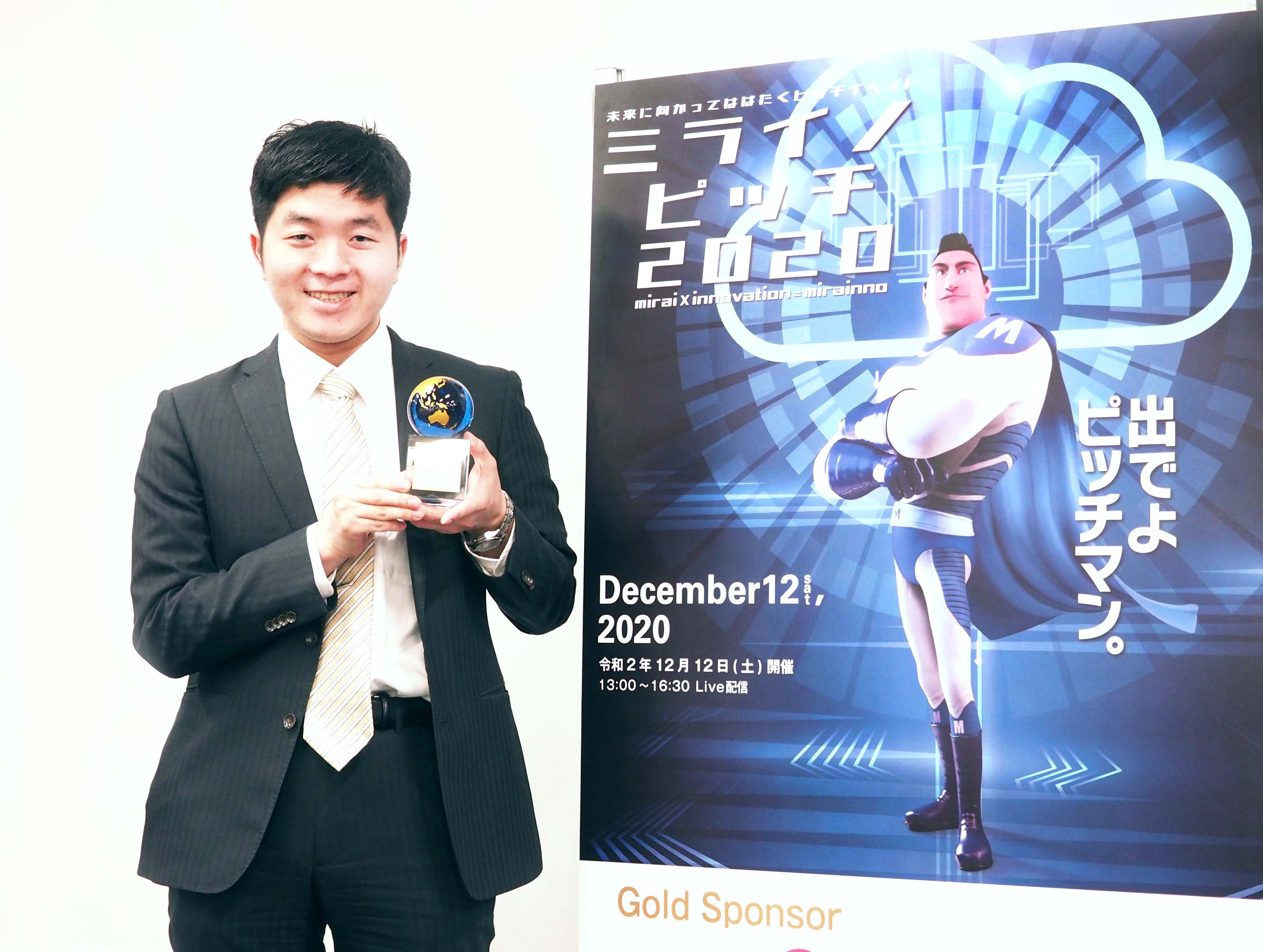
But in 2020, with the global spread of COVID-19, the events targeted for the technology fell sharply. A tough period continued, with no way even to run demonstration trials to raise awareness, but Adachi did not give up and kept steadily working, achieving many results, such as a special award at the business plan contest “Dream DASH!” and, at “Mirainno Pitch 2020,” the OIH Award in the general division.
Just as the company was trying to accelerate its business, it got a harsh initiation with the business stalled by the pandemic, but at the start of 2021 it was selected for the “Acceleration Program” by the Cabinet Office, the Ministry of Economy, Trade and Industry, and JETRO, for 50 companies in the four “Global Hub Cities” of the startup ecosystem hubs, and a bright light is beginning to shine on its future activities.
“In terms of monetization, many challenges remain. In 2020, there were few chances to showcase and propose our technology, but we were fortunate to have the opportunity to think about countermeasures and improvements.
Our touchless payment and authentication technology is very useful for proposals for introduction at Expo 2025 Osaka, for building the smart cities envisioned by national and local governments, and, most immediately, for social life in the post-COVID era, when social distancing is required.
We want to build more of a track record, raise awareness and trust, and lead to widespread adoption.”
What Adachi ultimately aims for is “turning touchless payment and authentication into a platform.” With just a smartphone, people are authenticated touchlessly and stress-free, and payment is completed.
Even when such a seamless world becomes reality, Adachi will surely never stop thinking, and will keep sincerely facing the questions that arise every day.
Interview date: March 3, 2021
(Interview and text: Manabu Kitagawa)