
Ryoji Otsu

A company solving social issues and contributing to the SDGs with robots × AI

Ryoji Otsu

Chinougijutsu Co., Ltd.

Position
Representative Director
Website
https://www.chinou.co.jp/ (opens an external site in a new tab)
Business
Business consulting for AI and robotics, technical consulting for AI and robotics, and AI and robot development

Solving social issues such as environmental problems and labor shortages with robots and AI

As any news makes clear, robots and artificial intelligence (AI) are advancing day by day, making our lives more convenient and having a positive impact on society. Chinougijutsu Co., Ltd., based in Osaka City, supports this progress as a technology company with both robotics and AI technology.

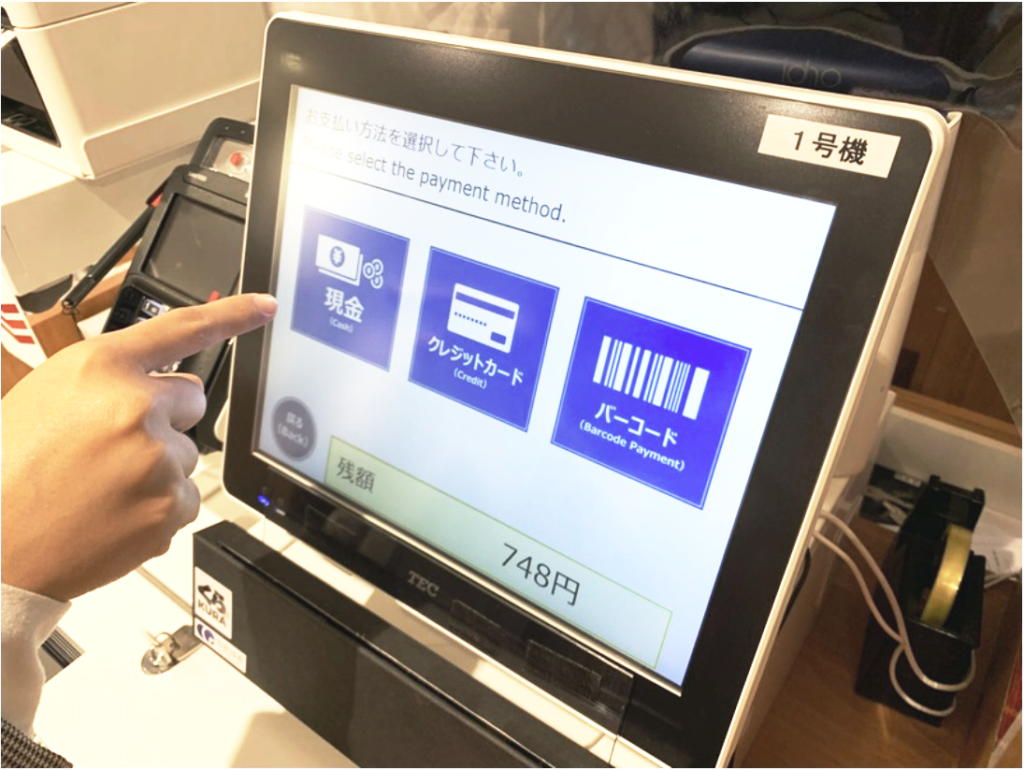
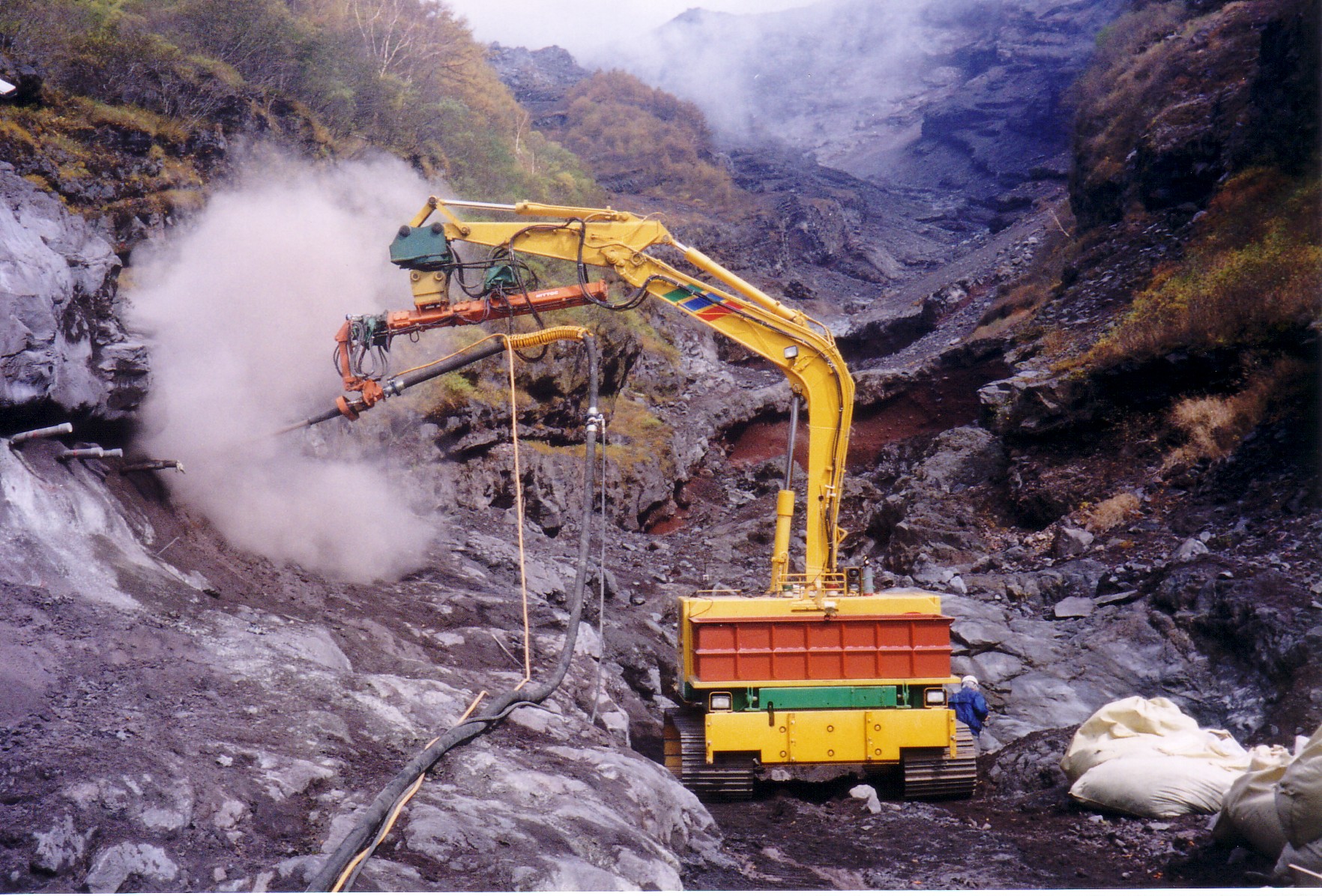
Chinougijutsu has worked on a wide range of projects: for example, a project to improve work safety by electrifying and automating construction machinery that ran on engines; the development of sensors, adopted at major conveyor-belt sushi chains and supermarkets, that let people operate touch panels by moving a finger in the air without touching them; and the development of AI sensors that prevent falls by inpatients at hospitals and older residents at care facilities. Its specialty is translating large companies’ vague challenges into technical challenges, finding ways to solve them, and handling everything through design and manufacturing.

Chinougijutsu 2

“By combining robots and AI, we aim to help solve social issues such as reducing CO₂, the aging population, and labor shortages, and to contribute to achieving the SDGs. Our feature is that we are needs-driven, not seeds-driven, offering technology or services. There is no restriction like ‘we will use this technology and only do this much.’ It is difficult but rewarding work, in which we think desperately about how to meet customers’ needs and solve their problems.” (Representative Director Ryoji Otsu)

Needless to say, the large companies that are its clients have excellent engineers in-house and at partner companies. Even so, challenges that are hard for them to solve keep coming to Chinougijutsu. And since its founding in 2007, the company has met expectations by drawing on its technical capability, experience, and network of manufacturing companies in Osaka.

Starting a company after the Great Hanshin-Awaji Earthquake, running at first on “nothing but passion”

The aim of solving social issues is related to the roots of Otsu’s decision to start a company: the Great Hanshin-Awaji Earthquake of January 1995. Born and raised in Kobe, Otsu was at a loss for words at the sight of the transformed hometown.

“At the time, I was working at a company as an engineer. But partly because I lost people close to me in the earthquake, a strong wish to somehow save lives welled up in me, and a week after the earthquake, I set up a company, the New Social System Research Institute (now sold), with the concept of ‘manufacturing that contributes directly to society.’”

The first thing Otsu set out to develop was a wireless camera. During the earthquake, the state of the city became clear thanks to live broadcasts from helicopters flown by TV stations. Meanwhile, the government, local authorities, police, and others took quite a long time to grasp the situation. Seeing this, Otsu thought, “If there were a wireless camera system that let one person broadcast live, someone could go to the disaster area by motorcycle or bicycle and report the situation quickly. That might help save even one more life.” In fact, at this point Otsu reportedly had no knowledge at all of image transmission or wireless technology. Even so, Otsu put the image in mind down in a drawing and contacted the Ministry of Defense. Gaining understanding there, joint development began.

“Looking back now, it was a reckless and fearless move. But what I think when I look back on this experience is how important it is to convey ‘why you are doing the business.’ These days, there are plenty of places where entrepreneurs can practice pitching, and it is easy to get carried away with technique. But what really moves people is the passion and enthusiasm behind the words and actions.”

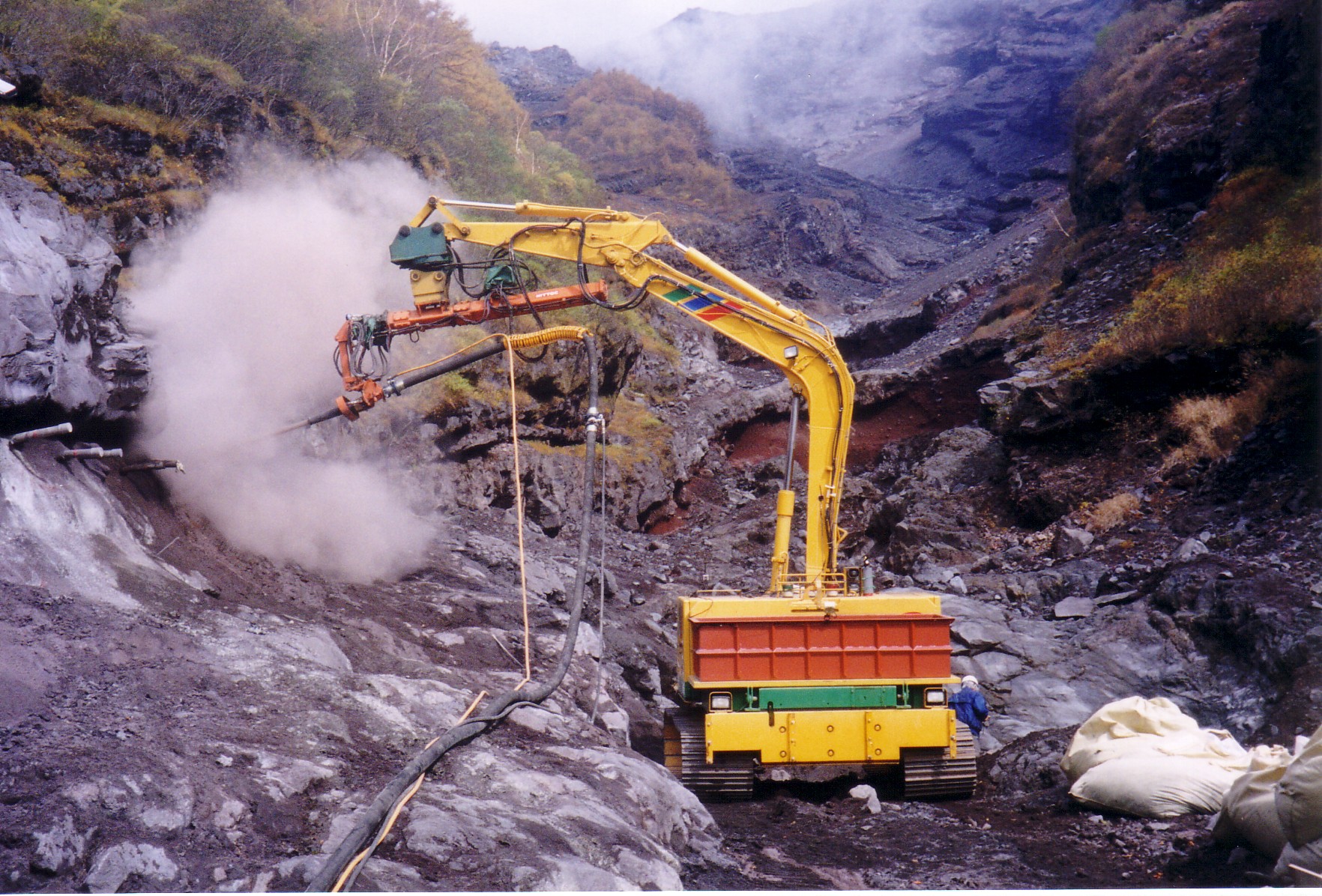
While advancing joint development, Otsu used personal connections to visit local governments and the Fire and Disaster Management Agency, urging, “Couldn’t this technology be used for other disasters too?” Results did not come right away, but as Otsu kept at it, the media began to cover it. Then one day, someone who had seen the media coverage got in touch: “We are trying to operate construction machinery by radio control at the site of the Mt. Unzen-Fugen eruption disaster, but communications are not working well and we are struggling. Couldn’t your company’s equipment be used?” The business accelerated from there. It was adopted by major general contractors and the Ministry of Land, Infrastructure, Transport and Tourism and came to be used at disaster sites and construction sites across Japan, and the technology spread rapidly.

Chinougijutsu 3

Having become known in the industry, Otsu was then brought a project to match large companies in Tokyo with manufacturing companies in Kansai. Otsu first served as overall coordinator, but while running the project, noticed two problems.

“One was that small and medium-sized manufacturers are good at making things according to drawings and specifications but not good at hearing out needs and making proposals. On the other side, large companies do not really understand what robots can do in the first place, so their needs are vague and they cannot create drawings or specifications. There was a big gap between the two, and I felt a system to bridge it was needed.”

Feeling a sense of mission, and also actively invited by companies and local governments in Osaka, Otsu decided to move the base to Osaka. That is how Chinougijutsu was founded, with Otsu deciding to be the bridge.

Creating an environment where employees can work comfortably is also a manager’s job

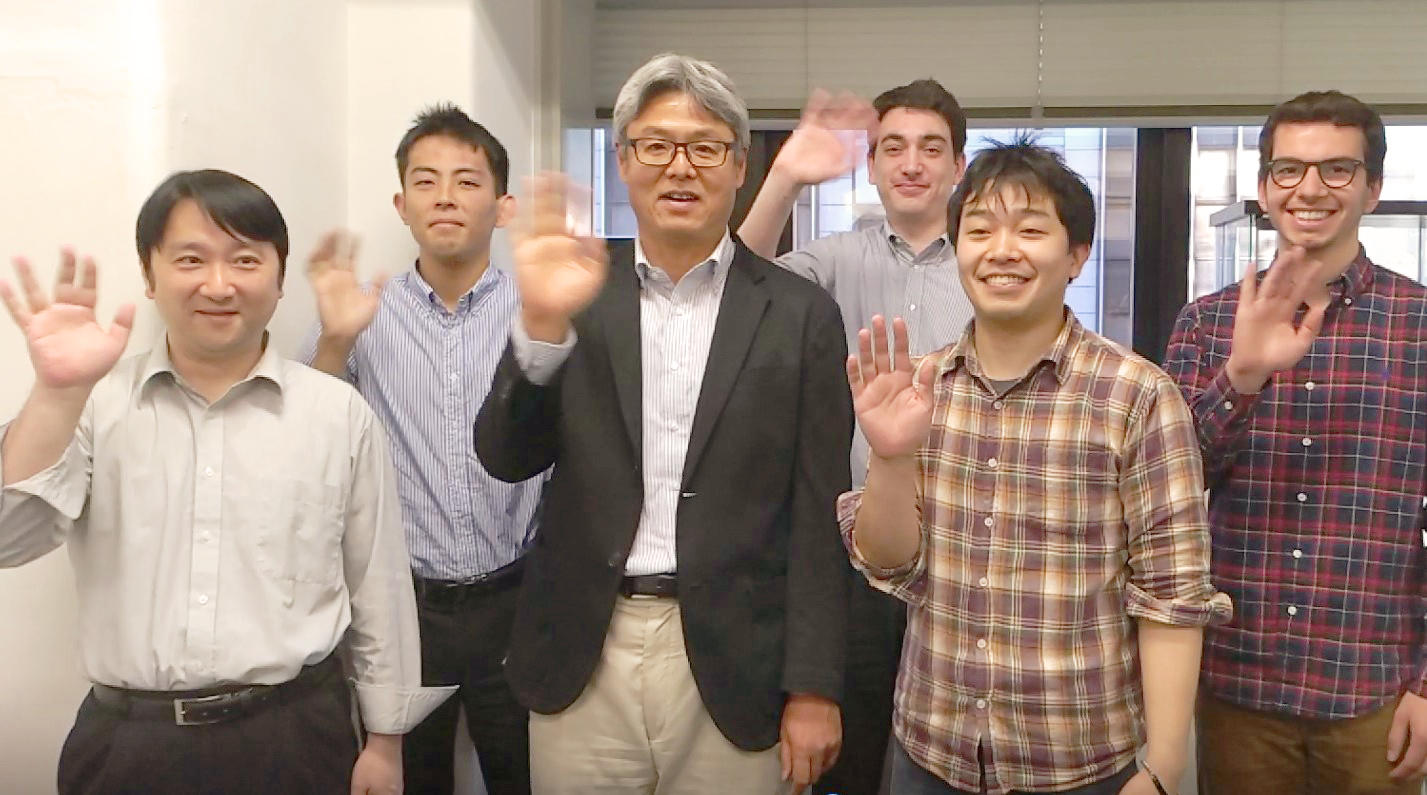
Chinougijutsu currently has just five employees, including Otsu: a small, elite team. Excellent consultants handle everything from hearing out needs to design and development, and projects move forward in partnership with manufacturing companies in Kansai for the manufacturing process.

At the same time, Otsu has also honed management skills, taking part in the “OIH Seed Accelerator Program (OSAP)” along the way. From January to March 2021, the company also took part in the “Overseas Acceleration Program” organized by the Cabinet Office as a company recommended by the Osaka-Kyoto-Hyogo Kobe Consortium (Note 1).

What Otsu always keeps in mind as a business owner, Otsu says, is to “enjoy the work.”

“Meeting a lawyer who has invested a great deal in our company has meant a lot to me. We are often in touch, and the lawyer also gives me advice on work, but always asks, ‘Otsu-san, is that fun?’ Every time, it gives me a start. Days are busy, and it is easy to get desperately absorbed in the work in front of you, but I want to keep facing the questions ‘Is this work I can take on with enjoyment and a sense of purpose?’ and ‘Am I enjoying myself now?’”

At the same time, Otsu’s commitment to valuing employees never wavers. That is because the company works with the mindset of being “the customer’s partner and the customer’s technical department.” “We are happy when customers treat us like colleagues at the same company, and conversely, it is very sad when they treat us as a mere supplier or vendor. I do not tolerate anyone who treats our employees carelessly or hurts them, even customers, and I will turn down the work. A company is a vessel for its employees, and I want our employees to do creative work in a good environment.”

Chinougijutsu 4

It goes without saying that a manager’s role is to grow the business and increase sales and profits. But what supports that growth is the hard work of valued members. With Otsu as the manager, committed to creating an organizational environment where employees can work with a sense of purpose rather than to short-term sales, the members can surely work comfortably.

Building an industrial pyramid and aiming to contribute to the growth of the robotics industry

Chinougijutsu has picked up all kinds of needs from large companies and given them shape, but it is also looking at new directions: developing its own products.

“Based on the knowledge gained from solving the challenges of about 100 companies, in other words market needs, we will create our own products that can be offered to many companies. With the contract development we have done so far, costs are high, so the reality is that small and medium-sized companies find it hard to commit to robot development even when they have needs. That will not grow the market, so we decided to develop our own products.”

One of the in-house products under development is an “AI radio-control robot.” Until now, the only way to advance autonomous mobile robots was to load them with computers and sensors, and their movement is limited, for example “only able to run along set paths.” With the AI radio-control robot, however, a camera is installed on the ceiling, and AI reads the camera images, recognizes where things are in the room, and gives the robot instructions, so the robot can move freely in any direction. In other words, the range of uses for robots can also be broadened.

In this way, the company will develop its own products, focusing on things that are still a blue ocean, can meet many needs, and have social significance. And what Chinougijutsu aims to achieve through its business going forward is building an industrial pyramid for the robotics industry.

“In the automotive and electronics industries, markets have grown precisely because solid industrial pyramids have been built around large companies. For the robotics industry, which is expected to ‘have potential on par with the automotive industry’ yet has been slow to grow, to become a large industry, it needs a similar structure. First, we need to sort out which players with which technologies are in the market and build a system like a network, even if not a hierarchy.”

Otsu looks not only at the company’s growth but at the industry’s growth too. The reason is that Otsu has not forgotten the original intention of “starting the company out of a wish to be useful to and contribute to society.” Always curious and heading straight for the vision in mind, Otsu will surely keep bringing waves of technological innovation that shine a bright light on Japanese society.

Chinougijutsu 5

Interview date: June 23, 2021
(Interview and text: Yumika Kuramoto)

(Note 1) Osaka-Kyoto-Hyogo Kobe Consortium (Osaka City, Kyoto City, Kobe City, and others)
Combines the strengths of the three cities (Osaka: large companies, funding, and talent; Kyoto: research seeds and commercialization support; Kobe: social demonstration trials and public procurement), with a focus on healthcare, manufacturing, and information and communications. Universities, research institutions, and companies collaborate, centered on Osaka University, Kyoto University, and Kobe University. Toward Expo 2025 Osaka, Kansai, Japan, it has built an integrated support system across Kyoto, Osaka, and Kobe, including the business community, creating opportunities for startups’ new technologies and services.
Cabinet Office, “Formation of Startup Ecosystem Hub Cities Competitive with the World” (in Japanese).
https://www8.cao.go.jp/cstp/openinnovation/ecosystem/index.html (Accessed July 6, 2021)